
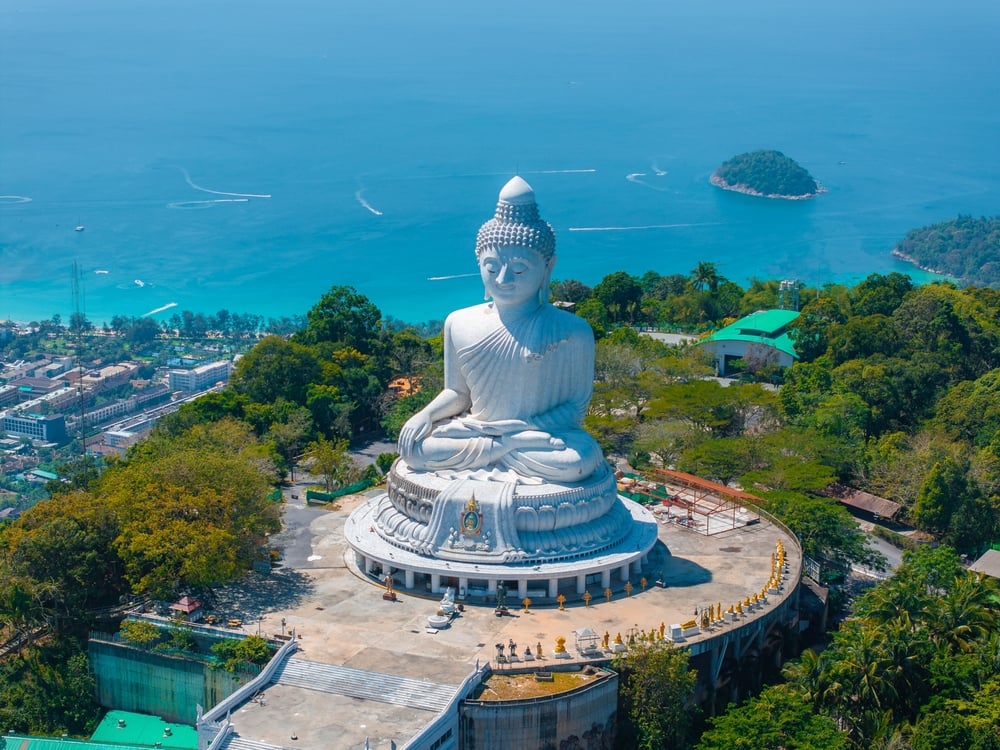
A Phuket workcation can combine focused work with time to enjoy the island, but it takes more planning than opening a laptop beside the pool. Before you book, think through your visa, work hours, internet needs and where you want to stay. A little preparation can help you protect your work commitments and leave genuine time off in the itinerary.
Use this guide to plan the practical parts of a Phuket bleisure trip, from choosing a suitable base to checking Thailand’s current visa information.

A quick planning checklist
| Before you book | What to check |
|---|---|
| Work requirements | Meeting hours, employer approval, company travel policy and any restrictions on working abroad. |
| Accommodation | Wi-Fi in the room, a comfortable work surface, quiet during calls and a backup connection. |
| Visa and length of stay | The right entry category and the latest requirements from the Thai embassy or consulate responsible for your application. |
| Daily schedule | Time-zone overlap, uninterrupted work blocks and protected hours for meals, rest and exploring. |
| Island logistics | Travel time between your accommodation, meetings, beaches and other plans. |
Decide what kind of work trip you are taking
“Bleisure” can mean adding a few leisure days to a business trip, or working remotely from a holiday destination for part of your stay. Those arrangements can have different implications for your employer, expenses, insurance and immigration status. Check your company’s policy before booking, and make sure everyone understands which days are working days and which are personal time.
If you are extending a work trip, separate business and personal costs where your employer requires it. If you are working remotely for the whole stay, ask your employer what approval, security and insurance arrangements apply. For longer stays, it may also be sensible to ask a qualified adviser about any tax or payroll questions relevant to your circumstances.
Choose a stay that works on weekdays
A beach location can make it easier to switch into holiday mode after work, but the label alone tells you little about the room or connection. Searches for a luxury hotel near beach can help build a shortlist; before booking, ask whether the specific room has reliable Wi-Fi, a desk or suitable table, convenient power outlets and a quiet place for calls.
Ask for a recent connection speed test from the room or workspace you expect to use, rather than relying only on a property’s general description. If an important video meeting cannot be moved, test your company login before the trip and have a backup such as mobile data. A comfortable lounge or coworking space can be useful, but check access, opening hours and any extra charges.
Phuket is spread out, so check the location against your real plans. A property near the beach may still mean a longer drive to a meeting, restaurant or activity elsewhere on the island. Estimate journey times for the hours you expect to travel, and leave room for traffic rather than planning every transfer tightly.

Check the Destination Thailand Visa requirements
Thailand’s Destination Thailand Visa (DTV) includes a workcation category for digital nomads, remote workers, foreign talent and freelancers. The Royal Thai Embassy in London’s current DTV guidance lists five-year validity with multiple entries and a permitted stay of up to 180 days per entry. It also says an extension of stay may be granted once for up to 180 days; after the maximum stay, visa holders must leave Thailand and may re-enter while the visa remains valid.
Requirements depend on where you apply. For applicants covered by its UK and Ireland guidance, the London Embassy lists financial evidence of at least £12,000 (500,000 THB), an employment contract or certificate or a professional portfolio, and a police clearance certificate issued within six months. Its September 2026 notice on DTV documents says the police certificate requirement took effect on 31 August 2026. Other Thai embassies or consulates may publish different instructions, so check the office responsible for your application and the official Thai e-Visa website before making plans.
The DTV workcation category is not a reason to assume that every kind of work is permitted. If your plans involve a Thai employer, local clients or work beyond your usual remote role, ask the relevant Thai authorities or a qualified immigration adviser whether the visa fits your situation. Visa rules and application requirements can change.
Build a schedule around the time difference
Thailand uses UTC+7 year-round, while the UK changes its clocks seasonally, so the time difference is not always the same. Check the offset for your travel dates using a reliable time-zone tool or calendar, then agree your core meeting hours with your team before you go. Thailand’s government explains the country’s standard time as UTC+7 in its Thai Standard Time guidance.
Rather than staying available all day, set a realistic work window. You might reserve a focused block for individual work, then arrange live calls during the hours that overlap with colleagues. Share your schedule, include time for breaks, and turn off notifications when the working day ends. If you need ideas for balancing a destination and a work routine, see our guide to work and wellness on a Bangkok bleisure trip.
Treat productivity research as context, not a promise
A change of scenery may suit some travellers, but it does not guarantee better work. In a 2025 survey of 1,029 business travellers in the UK and US, Booking.com for Business reported that 70% said work trips had a neutral or positive effect on their productivity, while 52% reported a positive effect on their mental health. These were self-reported results about business travel generally; they do not show that adding leisure time or working from Phuket caused those outcomes. Read the survey’s methodology and findings for context.
The linked discussion of whether work trips actually boost their productivity is best read with that distinction in mind: an individual’s experience depends on the schedule, support and working conditions.
Save time for Phuket beyond the laptop
Plan a few specific things you would like to do, but do not fill every free hour. A quiet evening, an unrushed meal or a beach visit can make the trip feel like a holiday rather than a change of office. If you are staying longer, our two-week Thailand itinerary can help you think about adding other destinations before or after Phuket.
Before departure, confirm your work approval, visa and accommodation details; test the connection you expect to use; share your working hours; and keep a backup plan for important calls. With those basics sorted, you can approach a Phuket bleisure trip with a realistic workday and enough space to enjoy the island when it ends.