
Visitors traveling to Denver should prepare for high altitude, dry air and sudden weather changes, then plan their transport and outdoor days with more care than a typical city break. The Mile High City is easy to enjoy, but a little advance planning can prevent a headache, a sunburn or a long wait for a ride after landing.
An overview of when travel insurance is useful can also help when a Denver itinerary includes flights, mountain driving or pre-paid activities. Informal local expectations can shape a smoother visit, particularly for travelers drawn by the city’s outdoor access, food, art and sports scene.
Denver’s Altitude Can Affect the First Day of Your Trip

Denver sits at 5,280 feet above sea level, which is why it is known as the Mile High City. Visitors arriving from lower elevations can feel short of breath, tired, light-headed or headachy while their bodies adapt to the thinner air.
Altitude illness can occur at elevations above 8,000 feet, so the risk becomes more relevant on trips from Denver into the Rockies. Denver itself is lower than many mountain destinations, but it is still sensible to take arrival day slowly before adding alcohol, hard exercise or a drive to a high trailhead.
- Drink water regularly, particularly after a flight and before spending time outdoors.
- Eat normally and avoid treating the first evening as a test of your alcohol tolerance.
- Keep the first day flexible if you have arrived from sea level.
- Seek medical help promptly for severe or worsening symptoms, especially confusion, trouble walking, chest tightness or breathlessness at rest.
Sunshine Does Not Guarantee Warm Weather
Denver’s sunshine can make a cool day look deceptively mild. The city’s elevation increases exposure to ultraviolet radiation, and temperatures can shift quickly as cloud, wind and afternoon storms move across the Front Range. Even a clear 79F day with 31% humidity can still feel dry and sunny (as of September 2026).
Pack layers that can be removed easily: a light insulating layer, wind-resistant outer shell, sunglasses and sunscreen are practical in many seasons. Check the forecast for Denver and Boulder before heading out, especially if hiking, attending an outdoor event or driving west toward higher ground.
Summer visitors should also take afternoon thunderstorm forecasts seriously. A storm that is merely inconvenient downtown can create much more hazardous conditions above treeline, where lightning is a serious risk and shelter may be far away.
Do Not Treat the Mountains as a Quick Day Trip
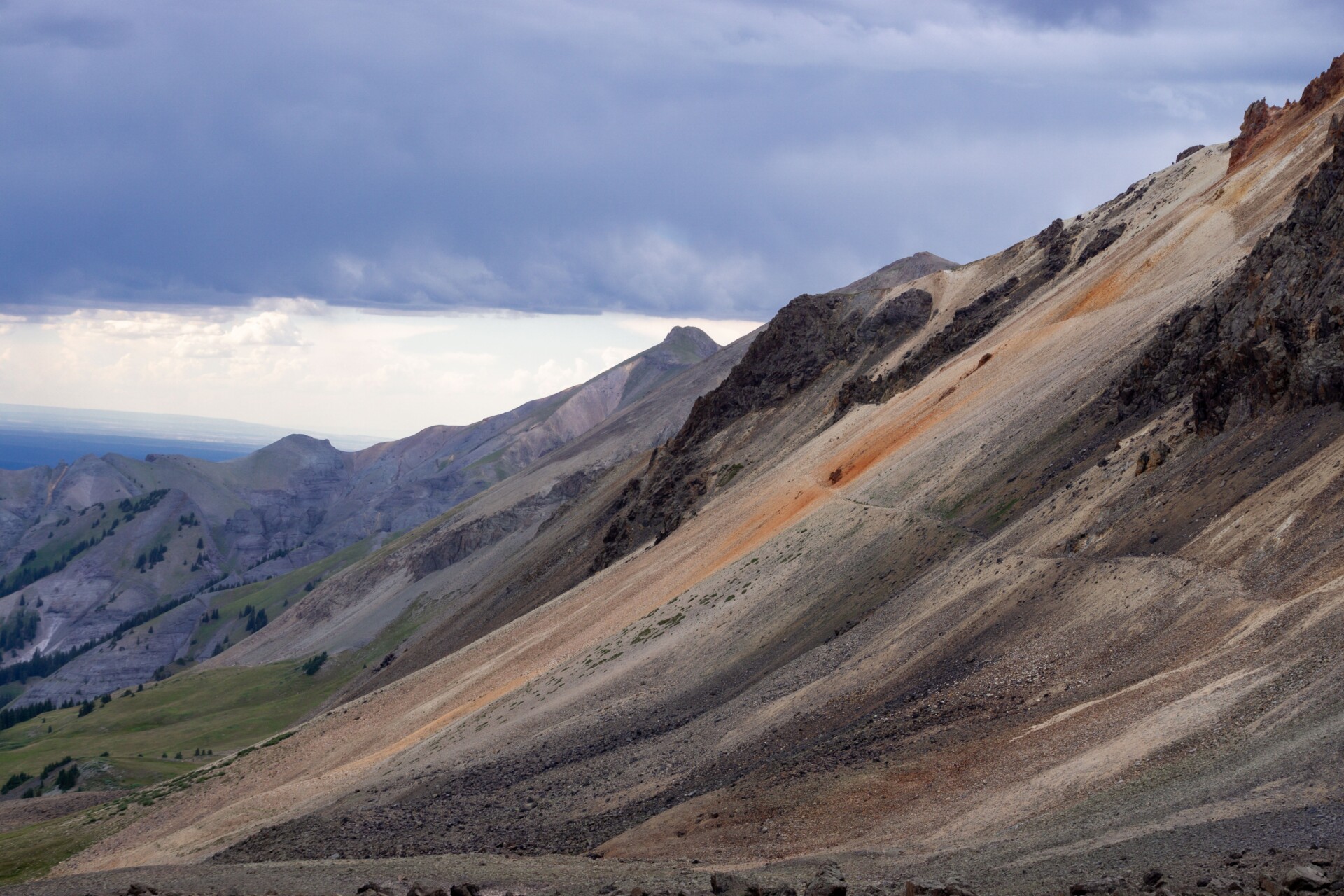
The Rocky Mountains are visible from Denver, but a scenic view does not equal a short or simple journey. Weekend traffic, road works, snow, changing conditions and demand for popular trailheads can turn a loosely planned mountain outing into an all-day commitment.
Check the route, parking arrangements and weather before leaving the city. Colorado’s road-condition service provides official information on road closures, incidents and travel conditions, which is especially useful in winter and during major mountain weekends.
Outdoor etiquette is part safety and part basic consideration. Stay on marked trails, carry out rubbish, give uphill hikers room where appropriate, keep noise down and do not approach wildlife for a photo. Visitors planning their first hikes should also review essential hiking accessories for beginners before relying on a phone, trainers and optimism.
Use the Airport Train Before Booking an Expensive Ride
Denver International Airport is well outside the central city, so ground transport deserves a look before arrival. The airport’s A Line commuter rail service connects Denver International Airport with Union Station, making it a useful option for many visitors staying downtown or connecting to local transit.
A rental car can make sense for a mountain-focused trip, but it is not automatically necessary for a city stay. Parking costs, hotel parking policies and the fact that many central neighborhoods are walkable can make rail, buses and occasional ride-hailing the simpler choice.
If you do rent a vehicle for winter travel, confirm the vehicle’s tires, traction equipment and rental terms before setting out into the mountains. Colorado traction and chain requirements can be activated on particular routes when conditions require them.
Colorado Cannabis Laws Still Have Limits for Visitors

Adult-use cannabis is legal in Colorado for adults aged 21 and over, but visitors should not confuse legal purchase with permission to use it anywhere. Public consumption remains illegal, and driving under the influence is illegal.
Hotels, rentals and other private properties set their own policies, so visitors should ask before assuming smoking or vaping is allowed. Cannabis also cannot cross state lines, including on a flight, even when the destination has legal adult-use cannabis laws.
Edibles deserve particular caution at altitude or after a long travel day because delayed effects can lead to accidental overconsumption. Read the package, follow its serving guidance and wait for the stated onset time before taking more.
Reservations and Timed Tickets Can Shape a Denver Weekend
Denver has plenty of walk-in options, but popular restaurants, major games, concerts and high-demand attractions can fill up well ahead of a Friday or Saturday evening. Build a loose itinerary, then reserve the one or two experiences that would genuinely disappoint you to miss. The Bodies – The Science Within exhibition at Denver Pavilions, scheduled from September 4, 2026, is one example of an attraction worth checking in advance.
Visitors should also check the official organizer or venue page on the day of an event for gate times, bag rules, weather procedures and transit advice. In a city where outdoor plans are common, conditions can change the practical details quickly.
Leave some space for neighborhoods, galleries, breweries, parks and an unhurried meal. Denver is most enjoyable when the schedule can absorb a delayed flight, a sudden downpour or the entirely reasonable urge to sit down after a high-altitude walk.
Frequently Asked Questions
How Many Days Do You Need in Denver?
Three days is a useful minimum for first-time visitors who want to see central Denver and keep one day available for a nearby outdoor excursion. Two days works for a city-focused break, while longer stays allow more realistic time for mountain travel.
Do You Need a Car in Denver?
You do not necessarily need a car for downtown Denver, especially if your hotel is near Union Station or another transit connection. A car is more useful for independent trips into the foothills and mountains, where public transport may not fit your schedule.
What Should You Pack for Denver?
Bring comfortable walking shoes, sunscreen, sunglasses, a refillable water bottle and clothing layers. Add a waterproof or wind-resistant jacket if you plan outdoor activities, as weather can change quickly.
Can Visitors Use Cannabis in Denver Hotels or Public Places?
No, public cannabis consumption is illegal in Colorado, and hotels can prohibit use on their property. Visitors should review the accommodation’s written policy and follow state rules on age, possession and impaired driving.