

Seasonal travel jobs can give you a temporary income, a place to live, and a reason to spend several months somewhere new, but the strongest options usually require stamina, flexible availability, and the legal right to work in the destination. Resort, cruise, camp, event, farm, and tour roles are the main routes, with housing and transport arrangements varying sharply by employer.
Travel work is easier to enjoy when your paperwork, budget, and insurance are sorted before departure. Start with the practical points in these tips for travel visas, then build a modest buffer using this guide on how to save money for travel; seasonal wages can arrive later than your first grocery shop.
What Counts as a Seasonal Travel Job?

A seasonal travel job is a role tied to a predictable busy period, such as ski season, summer holidays, harvest time, festival weekends, or a cruise itinerary. The work may be abroad, in another region of your own country, or at a destination where staff accommodation makes a temporary move practical.
Accommodation is not the same as free accommodation. Some employers include a room, while others deduct rent from pay or offer only a referral to local housing. Ask for the rate of pay, expected hours, housing cost, meal policy, uniform charges, start and end dates, and transport options in writing before accepting.
17 Seasonal Travel Jobs To Aim For
1. Ski Resort Staff
Ski resorts recruit lift operators, rental technicians, ticket-office staff, housekeeping teams, kitchen workers, bar staff, childcare assistants, and guest-services employees for winter. This is a good fit for applicants who want mountain access on days off, but it is not a paid ski holiday: early starts, cold conditions, weekend shifts, and shared housing are common.
Roles involving children, driving, ski instruction, or technical equipment can require credentials, background checks, or prior experience. The National Park Service’s workamping information also illustrates a wider rule for seasonal hospitality work: clarify whether a placement is paid employment, volunteering, or an exchange arrangement.
2. Summer Camp Counselor
Camp counselors supervise activities, cabins, meals, and the general controlled chaos of young people armed with sunscreen and questionable craft supplies. Residential camps often provide meals and accommodation, and specialist positions may be available for lifeguards, climbing instructors, activity leaders, nurses, cooks, and maintenance staff.
Camp work suits patient, energetic applicants who are comfortable being responsible for children all day, not just leading the fun bits. International applicants should check visa sponsorship and safeguarding requirements directly with the camp or its approved programme provider.
3. Cruise Ship Crew
Cruise lines employ hospitality staff, entertainers, retail associates, youth staff, galley workers, cleaners, deck crew, technicians, photographers, and medical professionals. Crew accommodation and meals are typically provided onboard, but contracts can involve long days, limited privacy, and months away from home.
Jobs on ships have safety and immigration requirements that land-based work does not. The International Maritime Organization explains that the STCW Convention sets international training and certification standards for seafarers; the certificates needed depend on the role, flag state, and employer.
4. Hotel and Resort Staff
Beach resorts, national-park lodges, island hotels, and seasonal city hotels hire front-desk agents, room attendants, servers, cooks, bartenders, porters, maintenance workers, and recreation staff. Hospitality experience helps, though entry-level housekeeping, kitchen, and guest-services roles can be accessible to first-time seasonal workers.
Look closely at split shifts and service-charge arrangements. A hotel job in a beautiful location can still be expensive if staff housing is scarce and the nearest affordable supermarket is a long bus ride away.
5. National Park Lodge Worker
Concession-operated lodges near parks often need seasonal staff for food service, retail, housekeeping, maintenance, and visitor operations. The location is the attraction, while the trade-off is that remote workplaces may have limited nightlife, unreliable mobile coverage, and few off-site services.
In the United States, seasonal jobs inside or near national parks may be offered by concession companies, local businesses, or government agencies. The USAJOBS portal is the official place to search federal vacancies, including seasonal positions when they are advertised.
6. Tour Guide or Activity Guide
Tour operators hire guides for walking tours, food tours, cycling trips, kayak excursions, wildlife trips, coach tours, and multi-day adventures. Strong local knowledge, public-speaking confidence, first-aid training, language skills, and an ability to manage changing plans are valuable.
Guiding is not merely reciting facts beside a landmark. You may be responsible for timing, group safety, supplier coordination, weather decisions, and the occasional lost passport. Technical outdoor guiding often requires recognised qualifications and insurance arrangements.
7. Adventure Sports Instructor
Surf schools, dive centres, climbing facilities, sailing camps, paddle-sport operators, and winter-sports schools recruit instructors during peak seasons. Certified instructors can often work in several destinations, though certification recognition varies by country and activity.
Do not assume a qualification automatically permits paid work abroad. Confirm the operator’s insurance requirements, local licensing rules, rescue qualifications, and work-authorisation process before booking a flight.
8. Festival and Event Crew
Music festivals, sports events, exhibitions, holiday markets, and conferences need temporary staff for ticketing, accreditation, bar service, merchandising, site operations, cleaning, transport coordination, production support, and guest assistance. These roles are often short contracts, making them useful for building experience between longer jobs.
Event work can mean irregular call times, outdoor shifts, and rapid pack-down after guests leave. Ask who provides accommodation and travel to the site, particularly for rural festivals or events that finish after public transport stops.
9. Harvest and Farm Work
Fruit picking, vineyard work, vegetable harvesting, planting, packing, and livestock support follow agricultural seasons. The work can be a route to rural areas and a simple lifestyle, but it is physical, weather-dependent, and sometimes paid by output rather than an hourly wage.
Read the contract carefully before accepting piece-rate work. Confirm the guaranteed minimum pay where applicable, accommodation deductions, transport to the farm, safety training, and what happens when rain or crop conditions reduce available hours.
10. Au Pair or Seasonal Childcare Worker
Au pairs and temporary nannies live with or work for families, helping with childcare and light child-related household duties. It can be an immersive way to learn a language and live locally, but clear boundaries are essential because your employer may also be your host.
Agree on working hours, days off, duties, curfew expectations, private-room arrangements, pay, and use of household transport before arrival. Au pair schemes have country-specific rules, and some work visas do not permit this kind of employment.
11. Yacht Crew
Private and charter yachts hire deckhands, stewards or stewardesses, chefs, engineers, and officers, with demand commonly rising around regional charter seasons. Entry-level deck and interior roles may be possible with the right safety training, presentation, customer-service skills, and eligibility to work where the yacht operates.
Yacht work is highly structured and can be demanding in a very small living space. Accommodation and food are generally part of life onboard, but contracts, tips, medical requirements, and certification expectations differ widely.
12. Seasonal Restaurant and Bar Staff
Resort towns, islands, beach destinations, ski villages, and major holiday cities expand their restaurant teams during busy months. Servers, hosts, bartenders, barbacks, kitchen porters, line cooks, and café staff are regularly needed where visitor numbers rise faster than the year-round workforce.
This is one of the more transferable seasonal travel jobs if you already have hospitality experience. Check local rules on tips, alcohol-service certification, language requirements, and shifts that end late enough to make staff transport an issue.
13. Travel Photographer or Resort Photographer
Resorts, cruise lines, ski areas, attractions, and activity companies may hire photographers to take and sell guest photos. Employers normally expect strong camera skills, sales confidence, the ability to work quickly, and comfort approaching visitors politely.
Freelance travel photography is a different proposition: it usually requires a client base, permissions, equipment insurance, editing capacity, and a realistic business plan. A staff position is often the more straightforward route for someone seeking seasonal employment.
14. Remote Lodge, Hostel, or Guesthouse Worker
Small hostels, eco-lodges, backpacker properties, and remote guesthouses sometimes hire one person or a small team to cover reception, cleaning, breakfast, check-ins, social events, and basic administration. These jobs can suit independent workers comfortable switching tasks during the same shift.
Some postings are genuine paid jobs; others are volunteer exchanges with free lodging. Treat those as different arrangements, because volunteering may not satisfy visa rules and will not necessarily provide spending money.
15. Retail Worker at Airports, Attractions, or Holiday Resorts
Seasonal retail roles include airport shops, museum stores, theme parks, ski-rental outlets, souvenir shops, and pop-up holiday markets. The travel element is usually the destination rather than constant movement, making these positions more stable than itinerant tour work.
Customer service, cash handling, stock management, and language skills are useful. Airport roles can also involve security vetting and early shifts that require you to live within workable commuting distance.
16. Holiday Representative or Guest Relations Host
Tour operators and large resorts may hire representatives to welcome arrivals, coordinate transfers, answer guest questions, sell excursions, and manage routine problems. It suits organised communicators who can stay calm when a delayed transfer, a broken air-conditioner, and a missing suitcase all demand attention at once.
Some positions include accommodation and flights, while others are locally hired. Read the job description for sales targets, on-call duties, language expectations, and responsibility for handling complaints.
17. Seasonal Driver or Shuttle Operator
Hotels, camps, airports, tour companies, ski resorts, and activity operators need drivers during peak periods. A clean licence may be enough for some roles, while minibuses, coaches, commercial vehicles, and passenger transport usually require additional licences, medical clearance, or local endorsements.
This work is best for careful drivers who are comfortable with unfamiliar roads, luggage, changing weather, and guest interaction. Verify that your licence is valid for paid driving in the destination; a tourist driving permit may not be enough.
How To Find Legitimate Seasonal Travel Jobs
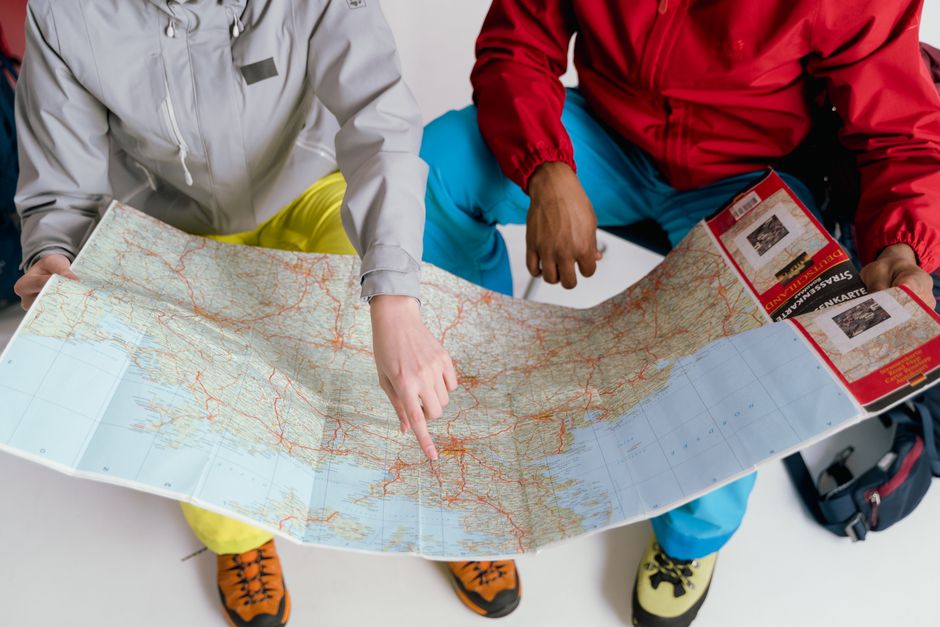
Begin with an employer’s own careers page, recognised government job service, or an established sector-specific board. Search using the role, destination, and season, such as “winter resort housekeeping jobs,” “summer camp counselor jobs,” or “vineyard harvest jobs,” then apply early because popular locations fill well before the season begins.
- Read the full job description, not only a social-media post or image.
- Apply through the employer’s official website where possible.
- Ask for a written offer stating pay, hours, accommodation, deductions, start date, and end date.
- Research visa eligibility before paying for flights, training, or agency services.
- Search the employer’s legal business name and check local labour-regulator guidance for the destination.
- Keep enough money for arrival costs and a route home if the role falls through.
For work in another country, immigration permission comes first. A visitor or tourist status commonly does not authorise paid employment, even if the work lasts only a few weeks. Use the destination government’s immigration website for the applicable visa and working-holiday rules, not an old forum thread with suspiciously cheerful punctuation.
Questions To Ask Before Accepting a Seasonal Job
A good offer should survive a few specific questions. Vague replies about pay, accommodation, or visa support are a warning sign, especially when the employer wants money before providing a contract.
- What is the hourly, weekly, or monthly pay, and when is it paid?
- How many hours are guaranteed, and are overtime rates available?
- Is accommodation provided, optional, or deducted from wages?
- Are meals, uniforms, equipment, airport transfers, or local transport included?
- What qualifications, background checks, medical forms, or licences are required?
- Who arranges work authorisation, and which costs are yours?
- What happens if the season ends early or weather reduces working hours?
- Can you see the contract before committing to travel?
What To Pack for Seasonal Work Abroad

Pack for the job first and the postcard second. Check the employer’s uniform policy and local weather, then use a sturdy carry-on or larger bag that you can manage without help; these travel bags for smarter packing may help when comparing formats.
- Passport, visa documents, job offer, accommodation details, and emergency contacts stored securely.
- Appropriate work shoes or boots, plus clothing suitable for several days between laundry loads.
- A small first-aid kit and any prescribed medicines in original labelled packaging.
- Unlocked phone, charging cable, plug adapter, and a backup payment card.
- Copies of qualifications, licences, and certificates requested by the employer.
Seasonal roles can involve dorm rooms, staff accommodation, or frequent moves. A compact lock and labelled organisers make shared living less chaotic without adding much bulk.
Can Seasonal Work Actually Fund Travel?
Seasonal work can fund travel when wages cover living costs and leave room to save, but destination costs, housing deductions, short hours, and transport can narrow the margin quickly. Jobs that include meals and accommodation may help you save more, while they can also limit privacy and choice of location.
Calculate the likely outcome before accepting: estimated after-tax pay minus rent, food, local transport, phone, insurance, visa fees, equipment, and travel home. The most attractive destination is not always the role that leaves you with the most money.
Common Seasonal Travel Job Scams

Be cautious when a recruiter promises unusually high pay for little experience, pressures you to pay immediately, communicates only through encrypted messaging, or refuses to identify the employer. Never send passport scans, bank details, or fees until you have independently verified who is hiring and why the information is needed.
Recruitment fees are regulated or prohibited in many places, but rules differ. Contact the destination’s labour authority or embassy if an arrangement seems unclear, and keep copies of every message, invoice, and signed document.
FAQ About Seasonal Travel Jobs
Do Seasonal Travel Jobs Include Accommodation?
Some seasonal travel jobs include staff housing, particularly camps, cruises, remote lodges, resorts, and yachts. Confirm whether housing is free, subsidised, mandatory, shared, or deducted from your wages before accepting the role.
Can I Get a Seasonal Travel Job With No Experience?
Entry-level housekeeping, kitchen, retail, farm, event, and guest-services roles may not require direct experience. Employers still expect reliability, legal work permission, communication skills, and the ability to handle the physical or customer-facing demands of the job.
Do I Need a Visa for Seasonal Work Abroad?
You usually need explicit permission to work in the country where the job is based. Visa rules depend on your nationality, destination, role, and length of stay, so confirm the requirement through the relevant government immigration authority before travelling.
When Should I Apply for Seasonal Jobs?
Apply several months before the season starts, particularly for ski resorts, summer camps, cruise contracts, and popular park lodges. Employers may continue recruiting closer to the start date, but accommodation-backed roles often fill first.
Are Seasonal Travel Jobs Safe?
Seasonal work can be safe when the employer is legitimate, the role is legal, and you understand the contract and local conditions. Verify the employer independently, keep emergency funds, arrange appropriate insurance, and leave any role that threatens your safety or asks you to surrender your documents.