
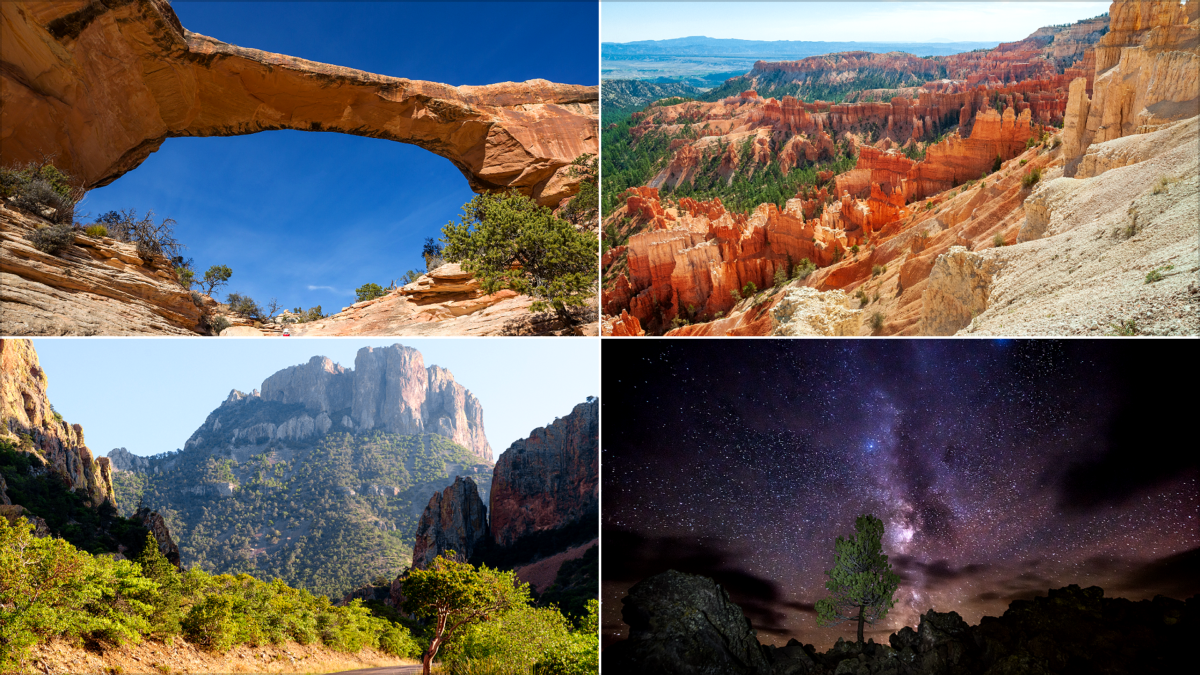
The best spots for stargazing in the U.S. are Natural Bridges National Monument, Big Bend National Park, Canyonlands National Park, Bryce Canyon National Park, and Central Idaho Dark Sky Reserve. They pair low light pollution with broad horizons and protected landscapes where the stars genuinely take over the evening.
A dark location is only half the plan. Go near a new moon, let your eyes adjust for 20 to 30 minutes, and resist the urge to light up the campsite like a parking lot. The Milky Way does not need your help, but it does need darkness.
These are the places worth building a night around, with remote desert parks, mountain country, and a few dark-sky destinations where you can still find dinner and a bed before heading out.
What Makes a Great Stargazing Spot?
Astronomers often describe sky brightness with the nine-level Bortle scale. Bortle 1 is an exceptionally dark natural sky, while Bortle 9 is an inner-city sky where only a small number of stars show through. Under a Bortle 1 sky, the Milky Way can be bright enough to cast faint shadows; at Bortle 7 and above, it is usually lost in skyglow.
DarkSky International designations are a useful shortcut when planning. They recognize places that protect natural darkness through responsible lighting and public education, though a designation cannot promise a clear night. Clouds, haze, wildfire smoke, moonlight, and a car’s interior light can all spoil an otherwise excellent evening.
12 Best Stargazing Spots in the U.S.
| Destination | Best For | Practical Detail |
|---|---|---|
| Natural Bridges National Monument, Utah | Dark-sky history | First designated International Dark Sky Park, in 2007 |
| Big Bend National Park, Texas | Remote desert skies | More than 800,000 acres near the Mexican border |
| Canyonlands National Park, Utah | Wide-open desert horizons | International Dark Sky Park with exceptionally low light pollution |
| Bryce Canyon National Park, Utah | Ranger-led astronomy events | Hosts an annual Astronomy Festival |
| Central Idaho Dark Sky Reserve, Idaho | Dark-sky towns and events | Spans more than 1,400 square miles |
| Death Valley National Park, California | Huge desert landscapes | Ubehebe Crater, Mesquite Flat Sand Dunes, and Badwater Basin are popular viewing areas |
| Chaco Culture National Historical Park, New Mexico | Desert solitude | Very dark skies and a remote high-desert setting |
| Cherry Springs State Park, Pennsylvania | Northeastern dark skies | Dedicated astronomy field and regular public programs |
| Voyageurs National Park, Minnesota | Lake-country darkness | Dark water, islands, and northern-light potential |
| Crater Lake National Park, Oregon | High-elevation night views | High rim viewpoints with very limited nearby development |
| Glacier National Park, Montana | Mountain silhouettes and stars | Part of the Waterton-Glacier International Peace Park |
| Yellowstone National Park, Wyoming, Montana and Idaho | Big park, many viewing choices | Most of its 3,400-plus square miles have no artificial light |
Natural Bridges National Monument, Utah
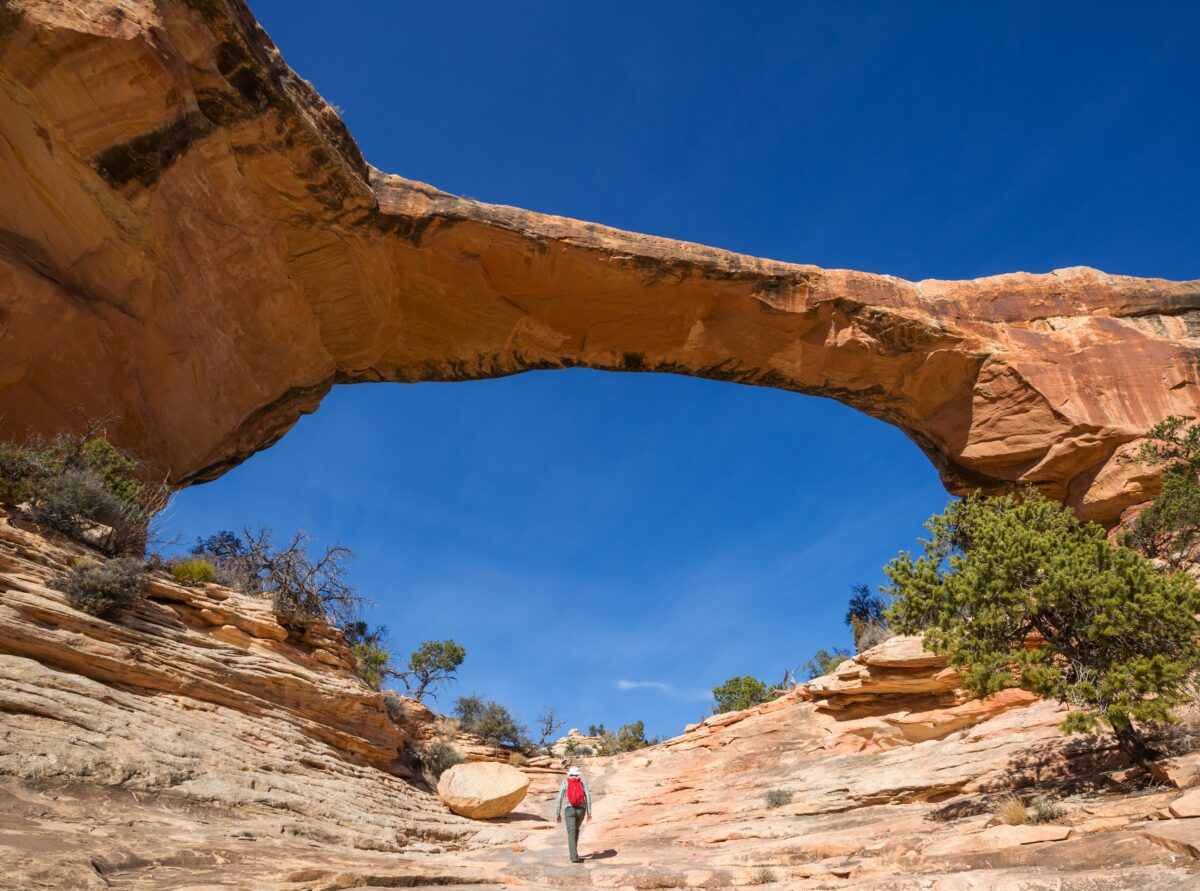
Natural Bridges is the right first stop for people who want a place with genuine dark-sky pedigree. It became the first International Dark Sky Park in 2007, setting a standard that many other protected areas later followed. Its sandstone bridges and isolated location in southeast Utah make the daytime landscape almost as compelling as the night sky.
Arrive before sunset, get familiar with the ground while you can see it, then wait for full darkness. The monument’s setting makes a simple star chart more useful than a packed itinerary, especially around Owachomo Bridge and the main scenic-drive overlooks.
Big Bend National Park, Texas
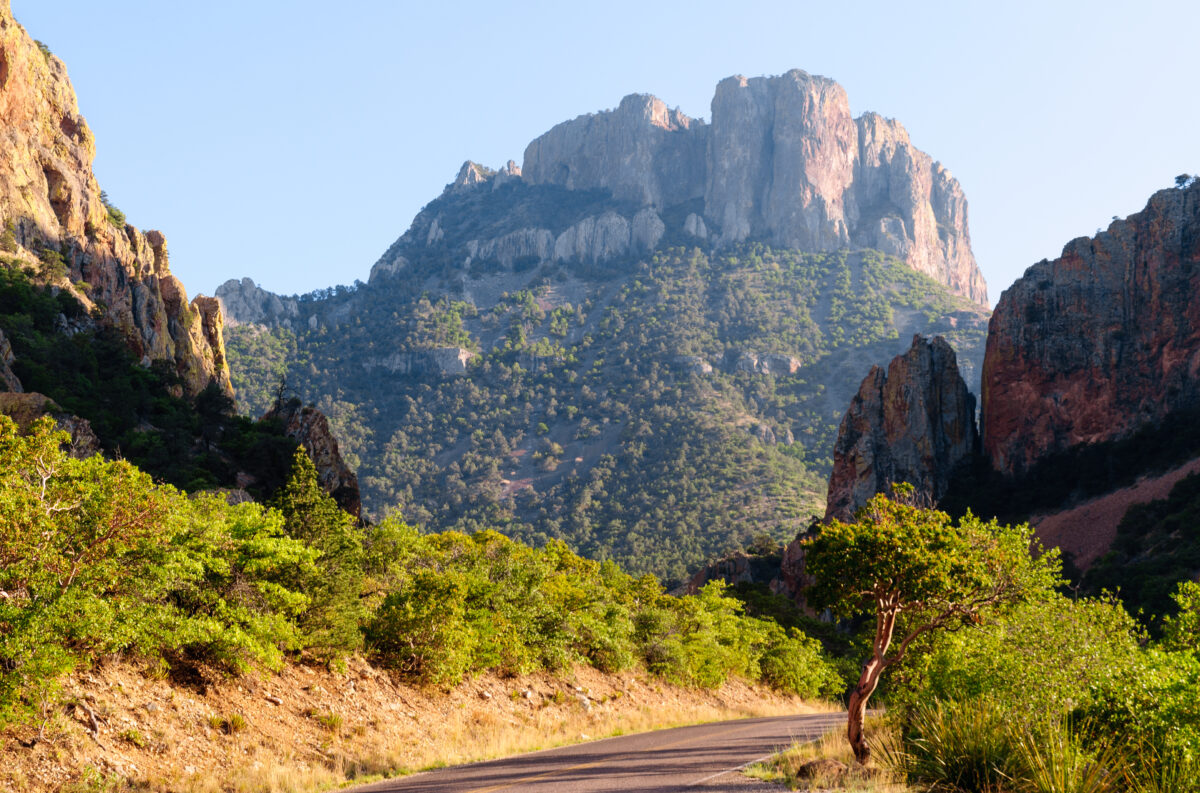
Big Bend offers a huge piece of the Chihuahuan Desert with very little nearby development. The park covers more than 800,000 acres along the Mexican border, so the horizon feels properly distant and artificial light is scarce.
Cell service can be limited, so download maps and star charts before entering the park. A downloaded map is not glamorous gear, but neither is wandering down an unfamiliar road after dark. Chisos Basin, the Rio Grande Village area, and roadside pullouts along the Ross Maxwell Scenic Drive give you several practical options without heading deep into the backcountry.
Canyonlands and Bryce Canyon, Utah
Canyonlands National Park gives you desert scale: canyons, buttes, and broad views shaped by the Colorado River and its tributaries. It is an International Dark Sky Park, a strong signal for anyone trying to get beyond suburban skyglow. Spring and fall are sensible choices for milder daytime conditions and lighter crowds, while Island in the Sky is the simplest district to reach for a short night outing.
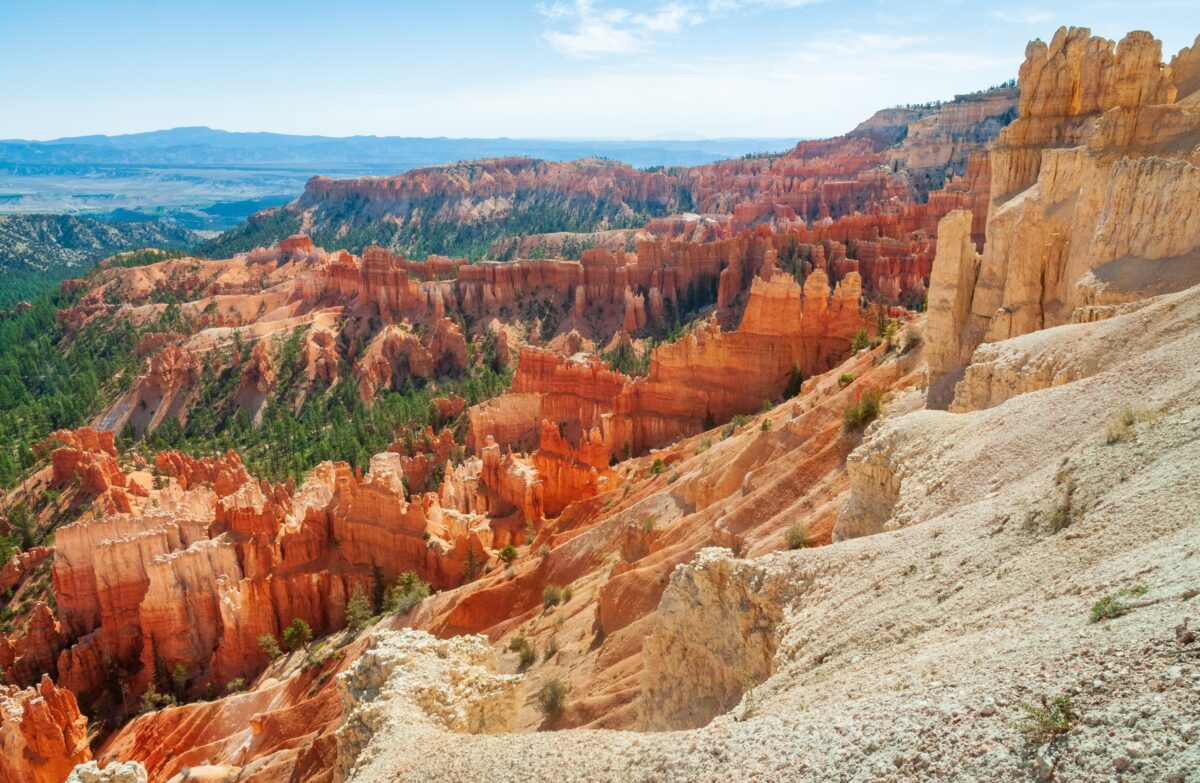
Bryce Canyon National Park is a better fit if you want astronomy with a program attached. The National Park Service hosts an annual Astronomy Festival there, and the park’s night-sky programming can add useful context for first-time stargazers. Check the National Park Service calendar before making a special trip, since programs, roads, and access can change with conditions.
Central Idaho Dark Sky Reserve
The Central Idaho Dark Sky Reserve covers more than 1,400 square miles, making it one of the country’s biggest connected areas of protected nighttime darkness. Sun Valley and Ketchum are practical bases for people who want restaurants and services before heading into a darker stretch of the reserve.
Local astronomy events and dark-sky dinners are part of the appeal, but winter planning needs extra care. Roads in the area can close in snowy conditions, so confirm your route before leaving town. Sawtooth country is particularly rewarding in summer and early fall, when high-elevation roads are open and the evening air is less punishing.
Death Valley, Chaco, and Other Desert Nights
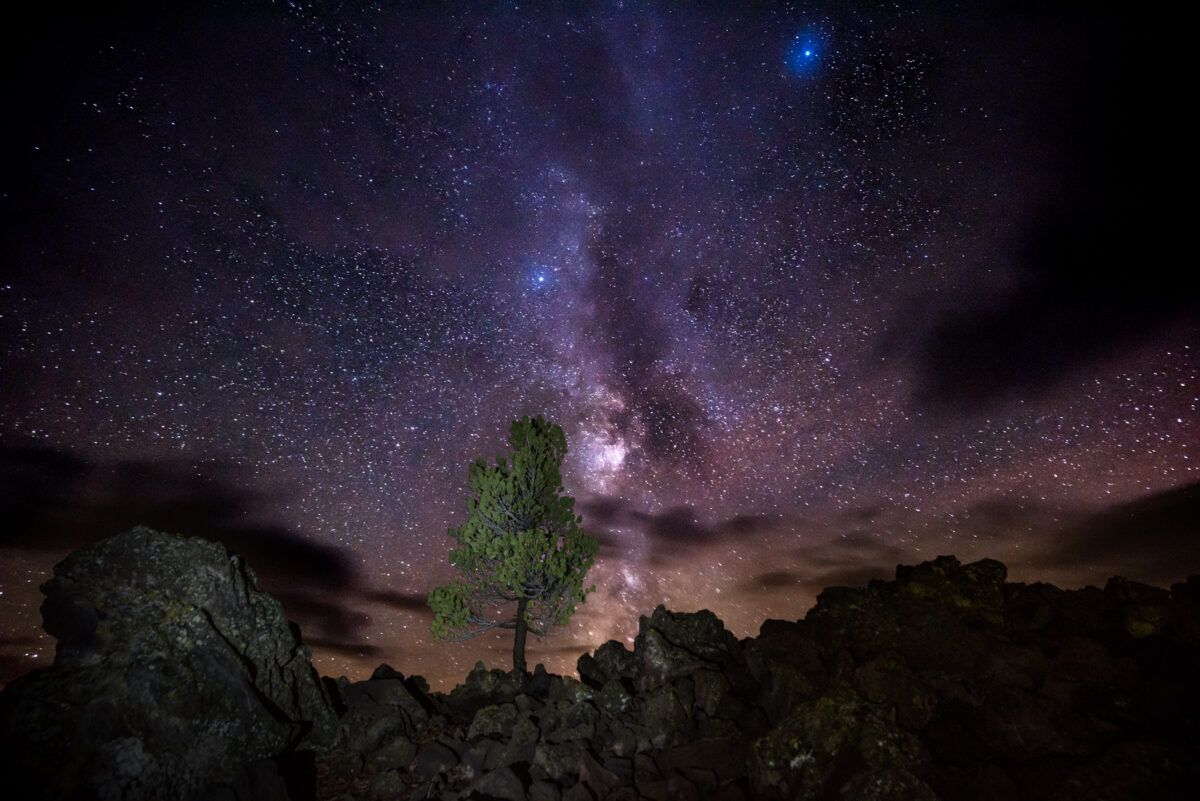
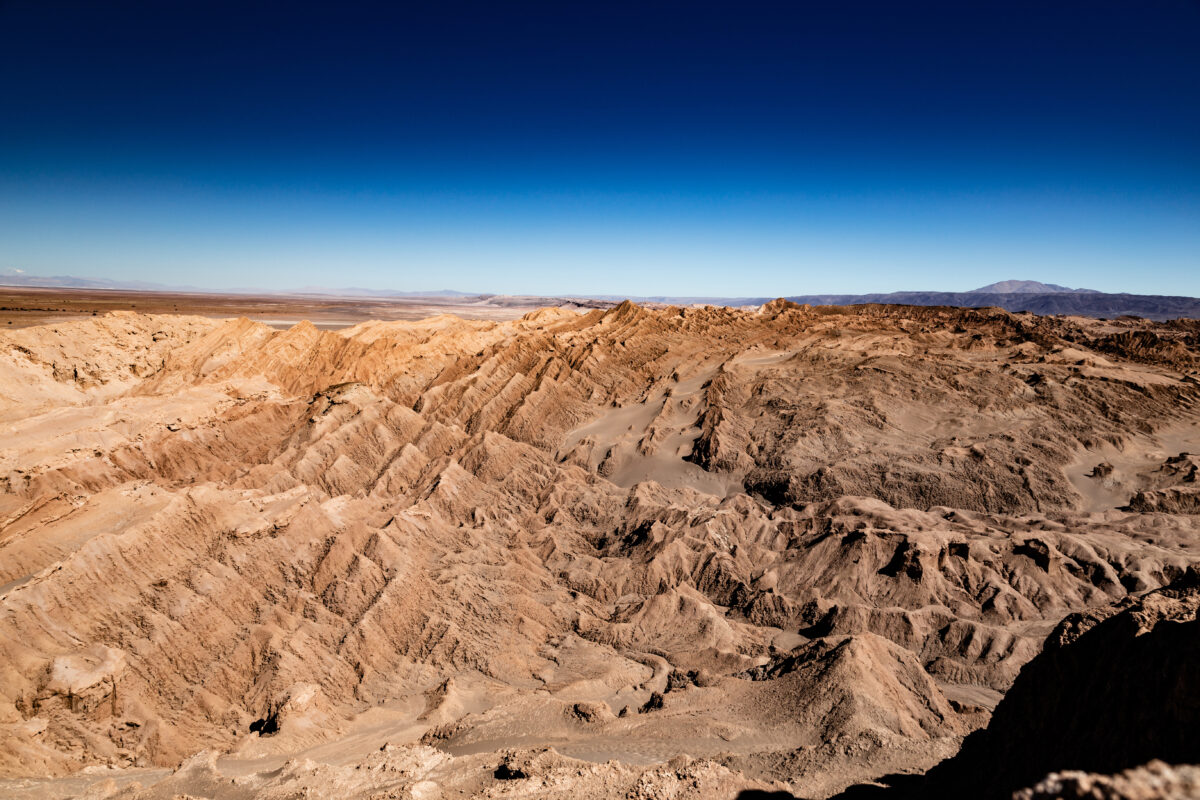
Death Valley National Park is enormous, covering 3.4 million acres and holding the title of the largest national park in the contiguous United States. Ubehebe Crater, Mesquite Flat Sand Dunes, and Badwater Basin are all established places to consider for a night-sky stop. Bring layers even in desert country, because night temperatures can feel sharply different after sunset.
Chaco Culture National Historical Park in New Mexico and Black Mesa State Park in Oklahoma are strong choices for people seeking very dark skies. Both reward advance planning. Remote roads, scarce services, and serious darkness are part of the package, and Chaco’s final approach road can be rough enough to make a daytime arrival the sensible move.
Best Stargazing in the North and Northwest
Cherry Springs State Park is a standout for people in the Northeast who cannot make a desert road trip. Its Night Sky Public Viewing Area is built for the purpose, though popular weekends and organized astronomy events can feel less solitary than the wide-open western parks. Voyageurs National Park puts the night sky above Minnesota’s lake country, while Crater Lake National Park offers high-elevation views in Oregon.
Unable to load products right now.
Glacier National Park’s night sky comes with sharp mountain outlines and a large protected landscape shared across the border through the Waterton-Glacier International Peace Park. Yellowstone is less formally specialized around stargazing, but its scale is hard to ignore: most of its 3,400-plus square miles are free from artificial light. Mammoth Hot Springs, Mount Washburn, and the Upper Geyser Basin are well-known areas to consider, provided you follow park rules and remain alert around thermal features and wildlife.
What To Bring for Stargazing
Keep your kit simple. A red-light headlamp helps you walk and read a chart without immediately wrecking your night vision. Use the red setting from the start, not only after you have already spent 20 minutes adjusting to the dark.
Unable to load products right now.
Binoculars are often more useful than a telescope for casual stargazing. They are quick to use, easy to pack, and especially good for scanning dense Milky Way fields, open clusters, and the Moon when it is not competing with faint objects. Pack warm socks and reliable travel shoes for uneven ground, too; desert overlooks and campground paths are less charming when you cannot see where you are placing your feet.
- Bring a paper map or download offline navigation before entering a remote park.
- Use warm layers, water, and a camp chair or ground pad for a longer session.
- Park safely, keep headlights pointed away from other people, and avoid shining lights into campsites.
- Check the moon phase first. The week before a new moon and the first few nights after it are usually best for seeing faint stars.
Frequently Asked Questions
What is the best time of night for stargazing?
The darkest period is usually after astronomical twilight ends and before moonrise, or after moonset. A new-moon trip gives the best chance of seeing faint stars and the Milky Way.
Can you see the Milky Way from U.S. national parks?
Yes. Natural Bridges National Monument, Big Bend National Park, Canyonlands National Park, and other remote protected areas have the darkness needed for Milky Way viewing on clear, moonless nights. In much of the lower 48, the Milky Way’s brightest core is generally visible from late spring into early fall.
Is it safe to stargaze in a national park at night?
It can be safe when you stay on approved roads or developed areas, carry reliable light and navigation, and follow park guidance. In places such as Yellowstone, darkness does not remove the need for wildlife awareness.
Do I need a telescope to stargaze?
No. Your eyes, time to adjust to darkness, and a clear moonless sky are enough to see constellations, satellites, and the Milky Way. Binoculars are an approachable next step, and a lightweight extra layer from this guide to travel vests for men can make a long, chilly viewing session far more comfortable.
Plan for the Sky, Not Just the Destination
The best destination can still deliver a disappointing night if clouds, smoke, or a bright moon show up. Give yourself two or three nights when possible, check conditions before you leave, and make peace with the fact that astronomy runs on celestial schedules, not vacation schedules.
For a first trip, Natural Bridges, Bryce Canyon, Big Bend, or Central Idaho Dark Sky Reserve offer the most balanced starting points. Each gives you enough darkness for a memorable sky without requiring you to hunt down an unnamed turnout in the middle of nowhere.
