

East Lothian, Midlothian, Glasgow, South Lanarkshire, Highland and Orkney are the strongest starting points for a move to Scotland when you use population and migration data as a planning tool, not a popularity contest. They represent very different versions of Scottish life: city neighbourhoods, Edinburgh commuter territory, larger towns, rural mainland communities and island living.
Use the Scotland Population and Migration Explorer to compare the areas that interest you before narrowing your search. Population change can reveal where demand, movement and demographic pressures are concentrated, but it cannot tell you whether a particular street has a suitable home, a workable commute or a GP practice taking new patients.
The most sensible move is to use the data to make a shortlist, then test that shortlist against housing, work, transport and local services. A growing area can be lively and well connected, or simply under pressure. A place with little population growth can be stable, affordable or short of opportunities. Context does the heavy lifting.
How to Read Scotland’s Population and Migration Data
National Records of Scotland publishes population estimates for Scotland and its administrative areas. The mid-year estimates are built from the 2022 Census and updated using births, deaths and migration up to 30 June of the estimate year. The estimates count usual residents regardless of nationality, while students are generally counted at their term-time address.
Migration figures deserve a little caution. Unlike births and deaths, migration is not recorded through one complete UK-wide registration system, so National Records of Scotland estimates it using several data sources. Treat small annual changes as a useful signal to investigate, not a verdict on an area.
For a household choosing where to settle, four measures are especially useful:
- Population change: a quick indication of whether an area is gaining or losing residents over time.
- Migration flows: helpful for spotting places attracting people from elsewhere in Scotland, the rest of the UK or overseas.
- Age profile: relevant for school demand, employment markets, care needs and the general shape of a community.
- Population density: a straightforward way to distinguish compact urban living from areas where daily life depends much more on a car, bus timetable or ferry.
East Lothian: For Edinburgh Access and a Coastal County Setting
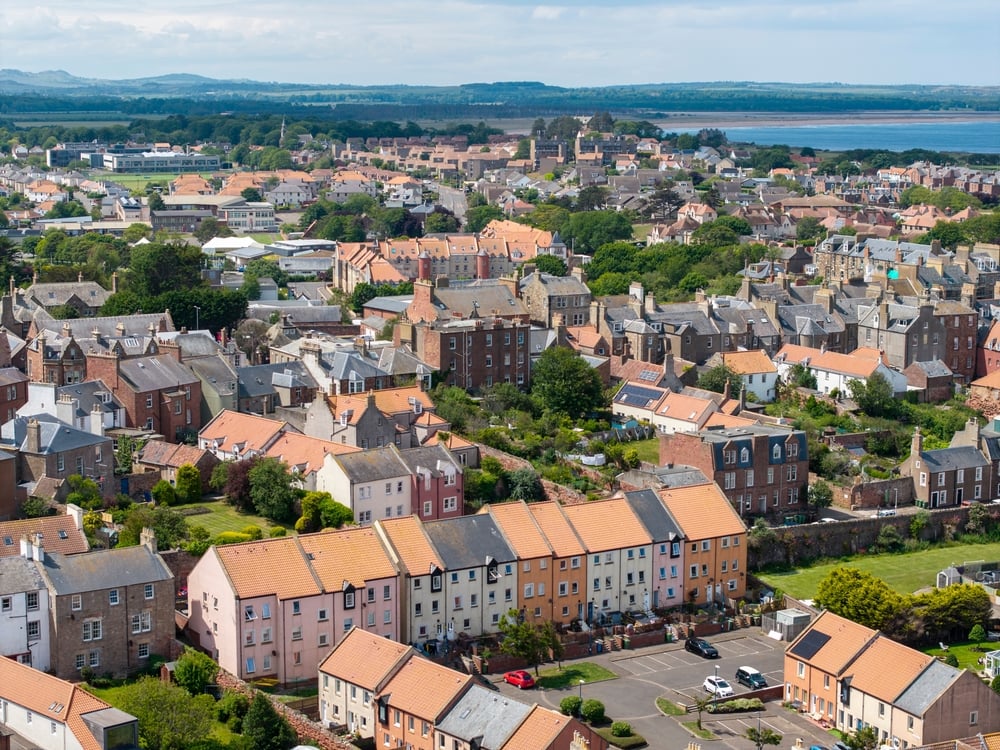
East Lothian deserves close attention if you want to remain tied to Edinburgh while living outside the capital. It is a council area east of Edinburgh, with a mix of towns, villages, agricultural land and coastline, so it should not be treated as one uniform commuter belt.
Start by comparing the council-wide figures with the individual places you would realistically consider. A household seeking rail access will evaluate the county differently from someone working remotely and prioritising a smaller town. The data can show whether the wider area is drawing residents, but a viewing trip needs to answer the more mundane questions: how long is the journey at your actual commuting time, where will children go to school, and how competitive is the local housing market? It is also handy to explore the best places to visit in Scotland before committing, since a weekend in North Berwick, Dunbar or Haddington gives you a better feel for the county than a property listing ever will.
East Lothian suits people who want a practical connection to Edinburgh without choosing city-centre density. It is less suitable for anyone who needs the widest possible choice of jobs, late-night transport and services immediately outside their door.
Midlothian: A Data-Led Choice for Edinburgh Commuters
Midlothian sits south of Edinburgh and is another logical area for people whose employment, university study or family network is connected to the capital. Its appeal is straightforward: it offers a different balance of settlement size, access and housing choice from Edinburgh itself.
Check migration and age-profile data alongside transport options. An area attracting younger households may experience stronger demand for family-sized homes and school places, while an older profile raises a different set of service questions. Neither pattern is automatically good or bad. The useful question is whether it fits your household for the next several years, not merely move-in day.
For people relocating from south of the border, our guide to using Scotland’s population and migration data when planning a move is a sensible companion to researching Midlothian and East Lothian. Scottish local authority boundaries, school catchments and transport patterns can feel unfamiliar until you map them against your routine.
Glasgow: For City Scale, Density and a Broad Urban Base
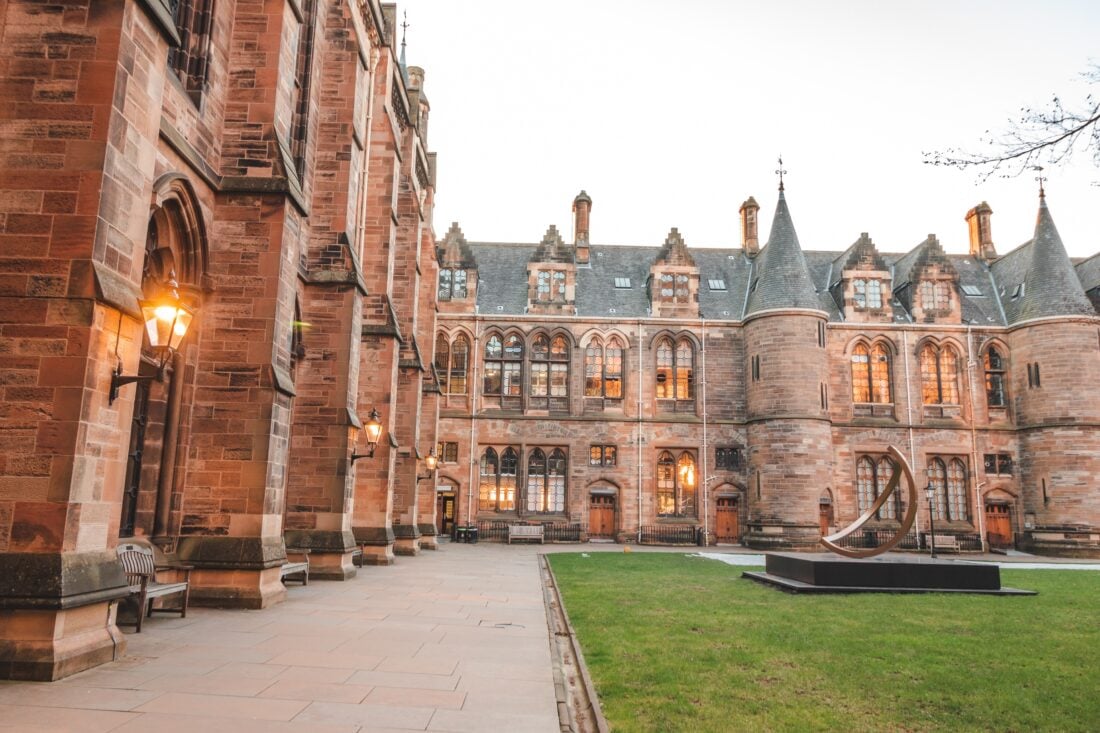
Glasgow is Scotland’s largest city by population and remains the obvious choice for people who want a major urban labour market, universities, cultural life and dense public transport. It has a fundamentally different proposition from the commuter authorities around Edinburgh: you can choose among neighbourhoods with distinct housing, travel and day-to-day patterns without leaving the city.
The city’s density is a strength if you value proximity to workplaces, services and social life. It can be a drawback if your ideal move requires a large garden, easy parking or a quiet rural setting. Use population data at council level as background, then research individual neighbourhoods on their own terms. Glasgow is too large for a single statistic to do much useful work.
People moving for work should investigate their likely commute before committing to an address. A direct journey can make city living feel wonderfully simple; a complicated cross-city trip has a talent for spoiling an otherwise good flat. Spend time exploring the city beyond the office postcode too, using a wider Scotland guide to put Glasgow’s transport links and nearby escapes in context.
South Lanarkshire: For Larger Towns and Central Belt Flexibility
South Lanarkshire offers a useful middle ground for households that want access to the Central Belt but do not want to live in Glasgow or Edinburgh. The council area includes larger towns as well as more rural communities, which creates a broader range of density and travel patterns than a city-only search.
Migration data is particularly helpful here because it can prompt a better question than “is this area popular?” Look at where people are moving within South Lanarkshire, then compare those places with your job location, family needs and preferred transport. A move that looks inexpensive on a property search can become costly in time if every errand and commute requires a long drive.
South Lanarkshire is worth considering for buyers and renters who want more choice in settlement type. Check bus and rail connections from the exact town, because council-area averages will not get you to work on a wet Tuesday morning.
Highland: For Space, Remote Work and a Different Service Reality
Highland covers a vast and varied part of Scotland, so population density figures are essential context. The same local authority contains Inverness, smaller towns, remote mainland communities and places separated by substantial distances. Calling Highland “rural” is accurate but not especially useful when planning a move.
Inverness is the practical starting point for people who want Highland access with city-scale services. Its population is far smaller than Scotland’s largest cities, while its role as a regional centre gives it a wider concentration of shops, employment, education and healthcare than many surrounding communities. Outside Inverness, test broadband availability, travel times, healthcare access and winter transport resilience address by address.
Highland can work brilliantly for remote workers, people with local employment lined up and households prepared for distance. It is a poor fit for anyone assuming every village has the services of a Central Belt town. The scenery is not a substitute for a workable weekly routine, although a few trial weekends on one of the best Scotland road trips can reveal how those distances feel in practice.
Orkney and Island Areas: For Community, Not Convenience
Orkney is the clearest island area to put on a migration-data shortlist. Its population is small by mainland-city standards, and the islands combine a strong community identity with a limited range of amenities and employment options. That captures the basic trade-off: community and quality of life may appeal strongly, but work, travel and services need careful planning.
Island population figures should be read alongside age profile and migration patterns. A small numerical shift can have a more visible effect in a small community than in Glasgow. Before making an offer or accepting a job, establish how you will manage ferry or flight travel, essential appointments, schooling and the cost of moving goods.
Orkney suits people making an intentional lifestyle choice, preferably with a secure job, transferable skills or a clear local plan. It is not an overflow district for the mainland, and treating it like one is a quick route to disappointment.
Build a Shortlist Before You Book Viewings
Use a repeatable process across every area. It keeps population data in its proper role and stops a dramatic chart from becoming a life decision.
- Choose your non-negotiables. List work location, maximum commute, budget, school requirements, healthcare needs and preferred access to city, coast or countryside.
- Compare at least three area types. For example, compare Glasgow with Midlothian and Highland, or East Lothian with South Lanarkshire and Orkney. A contrasting shortlist makes priorities clearer fast.
- Review population, migration, age and density together. One measure alone is rarely enough to explain how a place feels or functions.
- Research specific settlements and addresses. Check transport, broadband, local services and housing availability at the level where you will actually live.
- Visit at an ordinary time. A weekday rush-hour trip reveals far more about a commute than a sunny Saturday afternoon.
What Population Growth Does and Does Not Tell You
Population growth can suggest demand, a strong migration pull or a changing local economy. It can also coincide with rising housing pressure and stretched services. Decline can indicate lost opportunities, but it may also reflect an area with an older population or a stable, low-turnover housing market.
The best places to move in Scotland are therefore not a national league table. They are places where the demographic pattern aligns with your own priorities. Glasgow may be the best answer for a graduate seeking city work; Midlothian or East Lothian may fit a household tied to Edinburgh; South Lanarkshire may offer a Central Belt compromise; Highland and Orkney reward a more deliberate change of pace.
Frequently Asked Questions
Which Scottish areas should I compare first when moving from England?
Compare Glasgow, East Lothian, Midlothian, South Lanarkshire, Highland and Orkney first because they offer clearly different combinations of density, migration patterns, access and lifestyle. Use National Records of Scotland data to narrow the list, then assess housing, employment, transport and services in specific towns or neighbourhoods.
Does population growth mean an area is a good place to live?
No. Population growth may reflect demand and inward migration, but it can also put pressure on housing, schools, healthcare and transport. A good fit depends on your budget, commute, household needs and preferred lifestyle.
Is Glasgow better than a commuter area near Edinburgh?
Glasgow is generally the stronger option for people seeking the scale and density of Scotland’s largest city. East Lothian and Midlothian are more logical for households whose work or family life is centred on Edinburgh and who want a different settlement pattern outside the capital.
What should I check before moving to Highland or Orkney?
Check employment, broadband, healthcare access, transport reliability and the cost and logistics of travel before moving to Highland or Orkney. In remote mainland and island locations, the exact address can matter more than the council-area statistic.
Choose the Place That Works on a Normal Week
Population and migration data is most valuable when it makes your search more curious and less impulsive. Use it to identify changing areas, compare age profiles and understand the jump from city density to rural distance. Then spend the time on the details that shape daily life: a realistic commute, an available home, reliable connections and services you can actually use.
A successful move to Scotland is not about following growth. It is about finding a place where your work, home and routine still make sense after the novelty of the postcode wears off.