
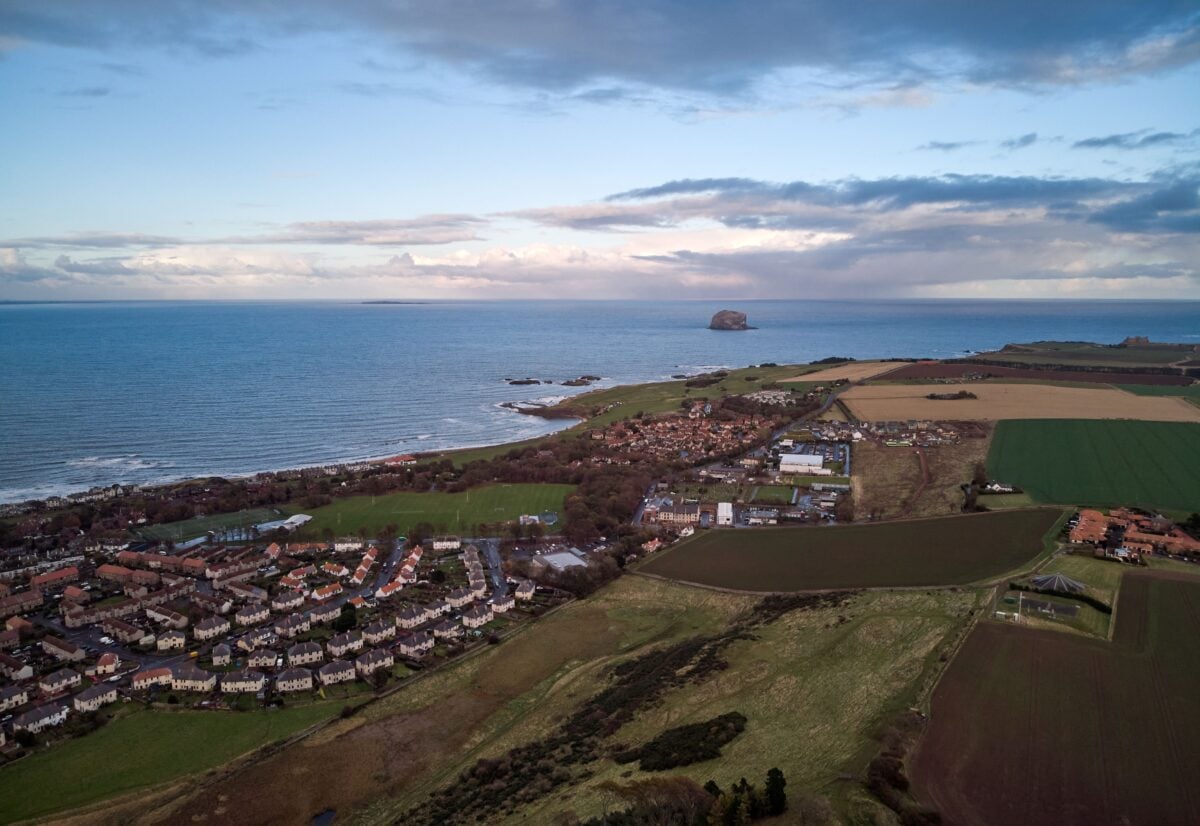
East Lothian is Scotland’s fastest-growing council area by percentage, while Glasgow City recorded the largest numerical population increase in the latest National Records of Scotland mid-year comparison. The two results show how percentage growth and total new residents can point to very different places.
Population change is not spread evenly across Scotland’s 32 council areas. East Lothian’s smaller starting population makes a strong annual increase especially visible in percentage terms, while Glasgow City’s much larger population means it can add the most people without necessarily leading the percentage table.
For a wider view beyond the headline winners, use our guide to Scotland’s changing council populations to compare growth across all 32 Scottish council areas. It is useful for separating long-term growth patterns from a single year’s change.
Fastest-Growing Scottish Council Areas: What The Latest Results Show
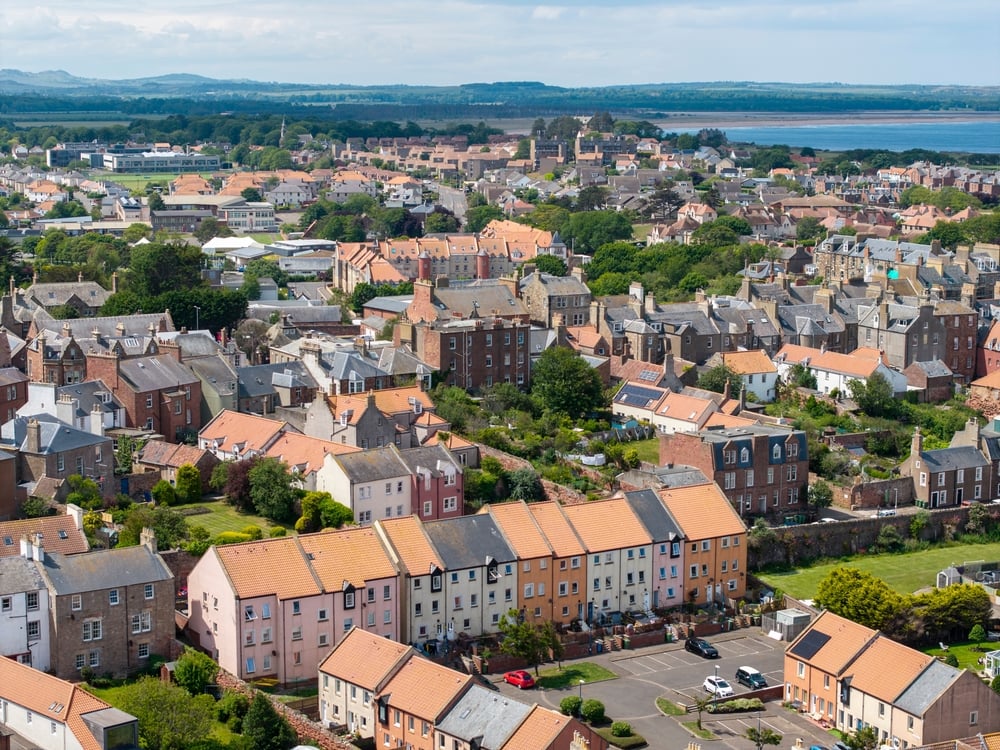
The latest comparison places East Lothian first for percentage population growth. The council area lies immediately east of Edinburgh and includes towns and communities such as Musselburgh, Haddington, North Berwick and Dunbar. Its position beside the capital has made it one of the clearest examples of sustained growth in the Edinburgh city region.
Glasgow City added the most people in absolute terms. That is a different measure from growth rate. A large urban authority can record the highest numerical increase even when smaller council areas are expanding more rapidly as a share of their population.
The available population evidence also shows a longer-running concentration of growth around Scotland’s main urban centres. National Records of Scotland projections have previously indicated that areas near Edinburgh and Glasgow were likely to grow more quickly than many rural and island authorities, although projections are not the same thing as mid-year estimates.
| Latest Growth Measure | Council Area | How To Read It |
|---|---|---|
| Fastest percentage growth | East Lothian | Largest population increase relative to its own population base |
| Largest numerical increase | Glasgow City | Highest total number of additional residents |
| Major Edinburgh-region growth areas | Midlothian, East Lothian and West Lothian | Authorities frequently associated with growth around the capital |
| Major Glasgow-region growth areas | Glasgow City, East Renfrewshire and North Lanarkshire | Large urban and suburban areas with distinct population patterns |
A full annual ranking needs the complete National Records of Scotland council-level mid-year dataset, including each authority’s population at both comparison dates, the numerical difference and the percentage change. Those figures should be used directly when comparing close-ranked areas, since rounding can alter the order near the middle of the table.
Why East Lothian Stands Out
East Lothian’s growth is part of a wider pattern around Edinburgh. Scotland’s Census figures show that its population rose from 99,717 in 2011 to 112,284 in 2022, an increase of 12,567 people. That long-term rise gives useful context for its leading position in the latest annual percentage comparison.
Its geography matters to how people use the area. Musselburgh sits on Edinburgh’s eastern edge, while North Berwick and Dunbar combine rail links with coastal locations. Haddington is inland and remains the county town. These are different places with different housing markets and commuting patterns, so it is better to avoid treating East Lothian as one uniform extension of Edinburgh.
Housing supply, migration and access to jobs and education can all shape local population change. National Records of Scotland identifies migration as the principal driver of population growth in Scotland overall, but council-level trends have multiple components. No single explanation should be treated as the cause of growth in every area.
Glasgow City’s Numerical Growth in Context
Glasgow City had a population of 620,756 at the 2022 census, up from 593,245 in 2011. The increase of 27,511 people over that period illustrates the scale of the city’s population base and why it can lead Scotland in total annual additions.
Glasgow’s annual figure should not be read as a simple verdict on the wider metropolitan area. Nearby authorities including East Renfrewshire, Renfrewshire, North Lanarkshire and South Lanarkshire all have their own population movements, housing development patterns and transport connections. A move within the Glasgow urban region can change more than one council’s figures over time.
For people deciding where to live, a city-wide total is only a starting point. Glasgow City offers the density and services of Scotland’s largest city, while surrounding authorities may appeal to households looking for different types of homes or more suburban settings. Population statistics describe the outcome, not an automatic recommendation.
Other Areas To Watch Around Edinburgh
Midlothian
Midlothian is directly south of Edinburgh and has been one of Scotland’s notable long-term growth areas. Its population increased from 83,187 in 2011 to 96,527 in 2022, a rise of 13,340 people. Earlier National Records of Scotland projections also put Midlothian at the top of the expected-growth table for the period ending in 2026, though actual annual estimates should always take priority over an older forecast.
West Lothian
West Lothian sits between Edinburgh and Glasgow and includes Livingston, Bathgate and Linlithgow. Its 2022 census population was 181,278, compared with 175,118 in 2011. The area’s position in the Central Belt makes it relevant when looking beyond Edinburgh’s immediate boundary.
City of Edinburgh
The City of Edinburgh grew from 476,626 people in 2011 to 514,543 in 2022. As the capital’s population changes, neighbouring council areas can also be affected by commuting, household moves and new development, although the data alone cannot assign a single cause to any individual move.
How To Read Scotland’s Council Population Figures
Three numbers are useful, and they answer different questions:
- Population total: the number of people living in a council area at the estimate date.
- Numerical change: the total number of residents gained or lost between two dates.
- Percentage change: the numerical change divided by the earlier population, which allows smaller and larger authorities to be compared more fairly.
Percentage change is the clearest way to identify the fastest-growing council area. Numerical change is the best measure of where the largest number of additional residents live. Both are valid, but they should never be swapped as if they mean the same thing.
What Population Growth Does and Does Not Tell You
Growing population can increase demand for homes, schools, health services, roads and public transport. It can also support local shops, employers and community facilities. The pressure or opportunity will vary by neighbourhood, especially in council areas that include a mix of towns, villages and rural land.
Population estimates should also be treated as estimates, not a live headcount. Census data provides a deeper snapshot of the population, while National Records of Scotland mid-year estimates are designed to measure change between censuses. Looking at both gives a more useful picture than relying on one headline.
Frequently Asked Questions
What Is The Fastest-Growing Council Area In Scotland?
East Lothian is the fastest-growing Scottish council area by percentage in the latest National Records of Scotland mid-year comparison. Percentage growth measures change relative to the area’s starting population.
What Is The Fastest-Growing City In Scotland?
Glasgow City recorded the largest population increase in numerical terms in the latest comparison. The City of Edinburgh is also a major long-term growth area, but the fastest city can differ depending on whether the measure is total residents added or percentage change.
Which Areas Around Edinburgh Are Growing?
East Lothian, Midlothian, West Lothian and the City of Edinburgh are the main areas to examine around the capital. East Lothian leads the latest percentage-growth measure, while Midlothian and West Lothian have also recorded substantial long-term population increases.
Is Population Growth In Scotland Mainly Caused By Migration?
National Records of Scotland identifies migration as the main driver of Scotland’s overall population growth. Individual council-area changes can also reflect births, deaths and moves within Scotland, so local growth should not be assigned to one cause without area-specific evidence.
Related Scotland Population Guides
- A guide to population and migration patterns across Scotland’s 32 council areas.
- The fastest-growing places around Edinburgh and how the capital’s wider region is changing.
- Glasgow City versus Greater Glasgow: how council boundaries affect population comparisons.
- Scottish population projections explained: what forecasts can, and cannot, tell you.