
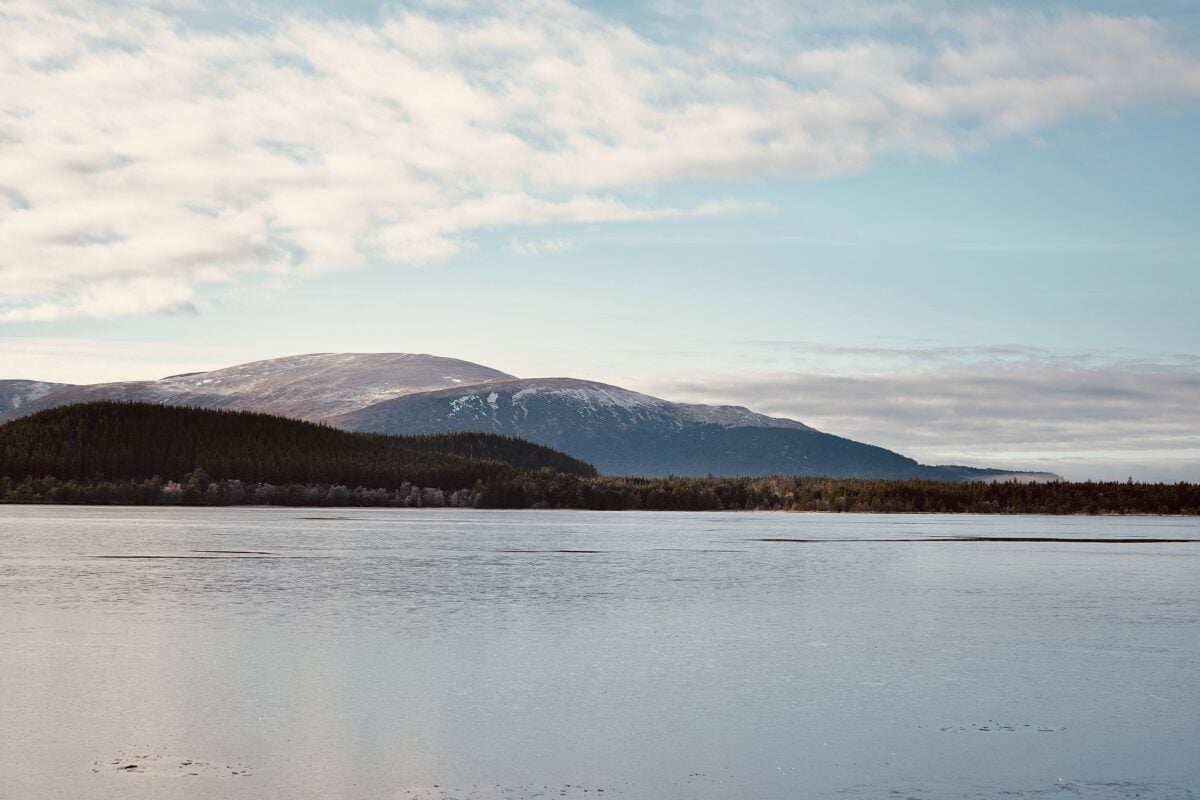
Police Scotland has declared a major incident as emergency services fight a wildfire in the Cairngorms National Park. Homes around Nethy Bridge have been evacuated as a precaution after changing weather conditions made the fire harder to predict.
Residents are being directed to a respite centre at the Macdonald Aviemore Hotel, while access roads into Nethy Bridge have been closed. Officials are asking visitors to stay away from affected parts of the park, where firefighting, helicopter operations and rapidly shifting conditions continue to create serious risks.
Why the situation has changed
The fire had appeared to be moving in a more positive direction earlier in the week, after the blaze near Glenmore led to closures around Loch Morlich and the surrounding forest area. That assessment changed as winds strengthened and conditions shifted across the Cairngorms, a landscape where exposed uplands, wooded areas and difficult ground can complicate firefighting.
Police Scotland said there was evidence the fire was spreading towards Nethy Bridge. Superintendent Judy Hill said the decision to declare a major incident was taken to support a precautionary evacuation and coordinate the wider emergency response.
The declaration gives the response a formal structure across the agencies involved. Police resources are being used to contact residents who need to leave, maintain cordons and manage restricted areas while firefighters continue work on the fire ground.
Nethy Bridge residents told to leave
Residents in and around Nethy Bridge have been directed away from their homes as a safety measure. The available information does not indicate that every property in the village has been affected, so people in the area should follow the latest instructions from Police Scotland rather than rely on general online updates.
The designated respite centre is the Macdonald Aviemore Hotel. Anyone displaced by the evacuation should use official emergency guidance for practical information about support, access and next steps.
For anyone with a planned trip to the area, accommodation searches should wait until authorities confirm that travel is appropriate. The map below is for later planning, not a signal that Nethy Bridge is currently open for visitors.
Firefighting has involved more than 500 firefighters
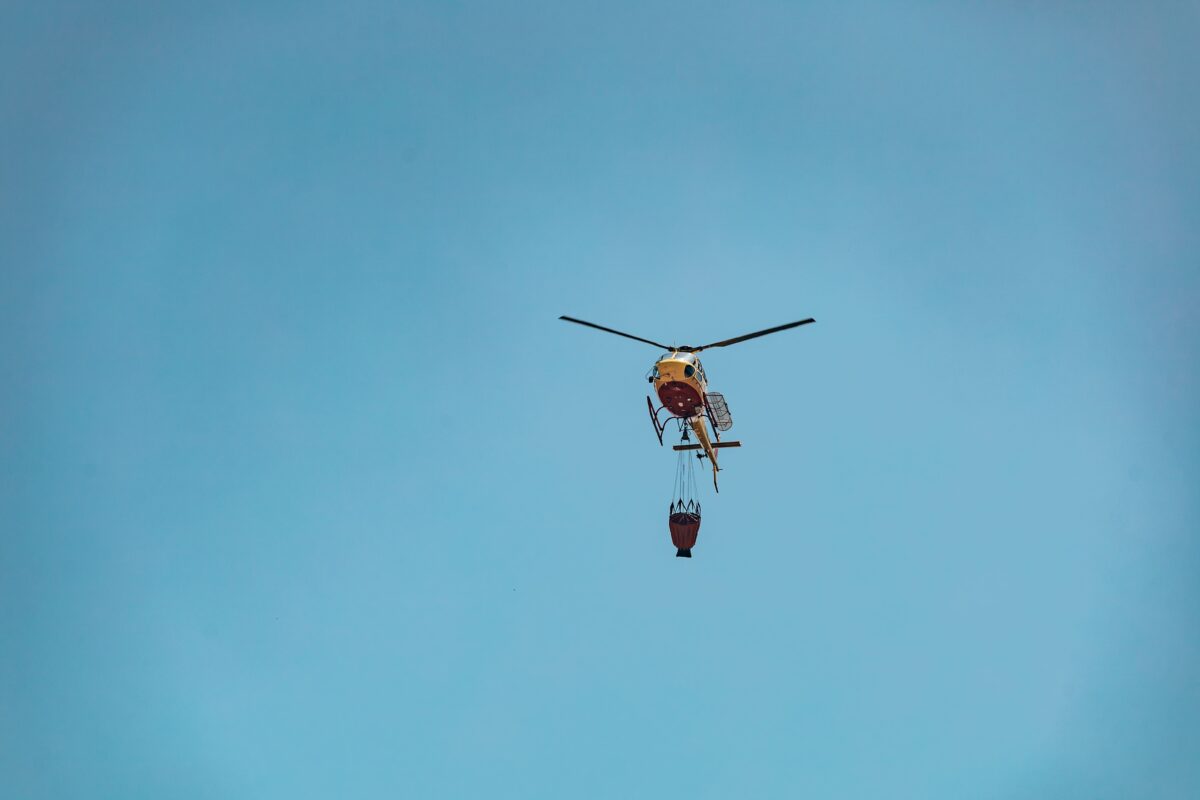
The Scottish Fire and Rescue Service said it has maintained a significant operational response since the wildfire was first reported on July 15. More than 500 firefighters have worked on the incident over nine days, supported by specialist wildfire appliances, all-terrain vehicles, helicopter water-bombing operations and partner agencies.
Parts of the fire ground cannot be reached safely by vehicle or on foot. That has made aircraft and specialist wildfire methods important to the response, particularly in terrain where crews cannot simply drive to the edge of the fire.
Deputy assistant chief officer Kenny Barbour described the combination of prolonged dry conditions, stronger winds and difficult terrain as a complex operational environment. He also asked people to stay away from the affected areas while firefighting remains under way.
Visitors should avoid the affected parts of the park
The Scottish Fire and Rescue Service has warned that the area remains unsafe because of active firefighting, rapidly changing fire behaviour and helicopter activity. The request applies to visitors, campers and anyone considering entering the park to view the fire or smoke.
- Do not enter exclusion zones or closed access roads.
- Follow instructions from Police Scotland and emergency personnel.
- Stay away from active firefighting areas and helicopter operating zones.
- Check current local guidance before travelling anywhere near Nethy Bridge, Glenmore or other affected parts of the park.
The earlier evacuations included residents and campsites after the fire broke out near Glenmore. At its height, the wildfire covered about six square kilometres of heather and small trees, with Glenmore and Loch Morlich among the areas closed during the earlier response.
Smoke has travelled beyond the fire ground
Smoke from the ongoing fire near Glenmore has drifted as far as Aberdeen as winds changed. That does not mean the fire itself has reached those locations, but it shows how conditions can carry smoke well beyond the immediate incident area.
For people farther away, smoke movement is another reason to pay attention to local advice rather than judge conditions by what can be seen from a distance. Wind direction can change, and the emergency response remains focused on the fire ground and nearby communities.
A difficult reminder about Cairngorms travel
The Cairngorms can look open and accessible on a map while remaining demanding terrain on the ground. Long stretches of moorland, woodland and uneven access routes are part of what makes the national park special, but those same features can slow emergency operations during a wildfire.
First Minister John Swinney has urged people in the region to follow official advice and respect the exclusion zone. His comments came after earlier concern over the Glenmore wildfire and closures around Loch Morlich gave way to renewed concern as weather conditions changed.
The sensible travel decision is therefore a simple one: postpone visits to affected areas until authorities say they are safe to enter. The Cairngorms will still be there when the cordons come down. Right now, the people living near the fire and the crews working in it need space, not spectators.