
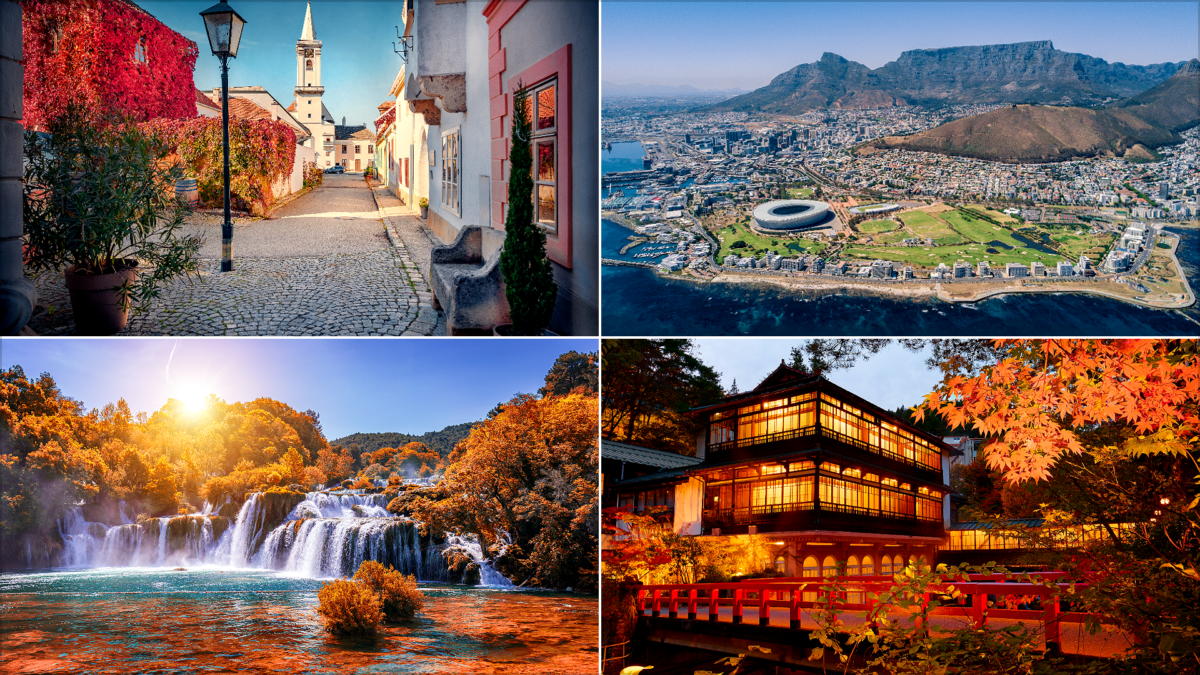
Planning a Family Holiday? These Destinations Stand Out for the second half of 2026 because they give parents a useful choice: warm-water breaks before autumn arrives, wildlife adventures during favourable travel seasons, or cooler cultural trips once the peak heat begins to fade.
Japan, Croatia, South Africa and Austria are especially compelling for different reasons. One is built for autumn colour and city energy, one makes a convincing case for sea days and multi-generational lunches, one combines world-class wildlife with dramatic coastlines, and one pairs Alpine air with cities that are far more child-friendly than their grand façades might suggest.
The trick is not trying to do everything. Pick a destination that suits your children’s ages, your tolerance for transfers and, crucially, the kind of holiday where the adults get to sit down occasionally.
At a glance: where to focus your family holiday
| Destination | Best second-half window | Best for | Practical family advantage |
|---|---|---|---|
| Japan | October to early December | Food, cities, temples and autumn scenery | September and October bring more comfortable sightseeing conditions than summer, while fall colour is associated with mid-November to early December. |
| Croatia | Late summer and early autumn | Beach time and multi-generational trips | The Adriatic coast combines swimming, historic towns and easy boat day trips. |
| South Africa | September to November | Wildlife, coastlines and outdoor adventures | Families can combine Cape Town, scenic drives and safari experiences within one varied itinerary. |
| Austria | Autumn, or early winter for snow sports | Active families and culture lovers | Public transport makes it possible to pair cities with the Austrian Alps without relying entirely on a car. |
Japan: autumn colour, excellent food and proper city excitement
Japan works well for families who want a holiday with a clear sense of occasion. Tokyo brings the neon-lit, high-energy side of the country, while Kyoto offers temple visits, traditional streets and a slower rhythm. The appeal is not limited to headline sights either. Japan is a destination where a simple meal can become part of the day’s entertainment, which is helpful when younger travellers need a reset between cultural stops.
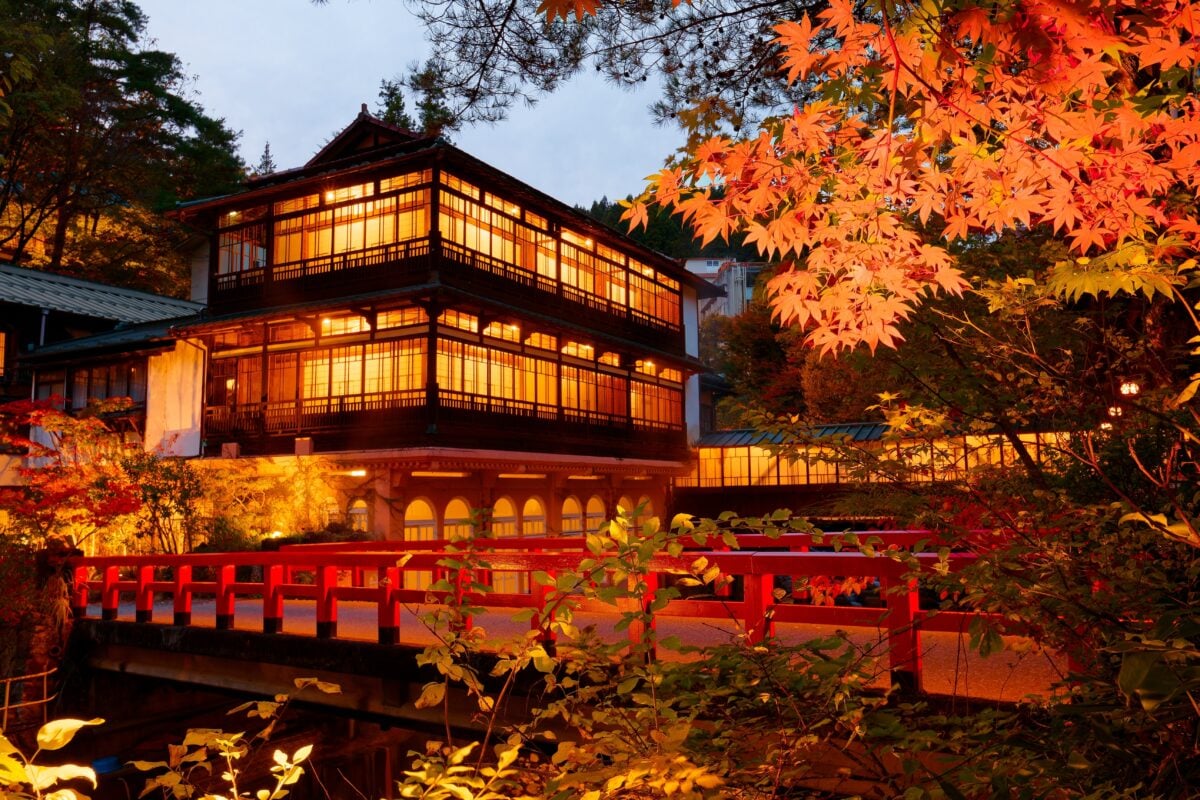
September and October are useful months for sightseeing because they offer relief after the summer humidity. Families aiming for foliage should look later in the season, with the best-known autumn colours typically appearing from mid-November into early December. Tokyo and Kyoto can be busy at this time, so choosing accommodation near a station is a practical way to make tired-leg evenings easier.
There is one calendar consideration worth taking seriously. Silver Week falls in mid-September, when domestic travel can make popular areas busier. If your dates are flexible, travelling outside that period can make a substantial difference to the pace of a family itinerary.
How to make Japan manageable with children
- Choose two bases rather than hopping between several cities. Tokyo and Kyoto are a sensible pairing for a first family trip.
- Build one unplanned afternoon into each city stay. A packed timetable is tempting, but jet lag has a way of editing the schedule for you.
- Keep the food plan flexible. Familiar noodles, rice dishes and casual counters can be easier for children than a long formal meal.
- Use late autumn for outdoor temple grounds and neighbourhood walks, then mix in indoor museums or shopping streets when the weather turns.
For a closer-to-home alternative with plenty of history and family-friendly stops, planning an Ireland trip in 2026 can offer useful inspiration while comparing possible itineraries.
Croatia: an easygoing Adriatic choice for several generations
Croatia is a strong contender when the family group includes grandparents, teenagers and small children with very different ideas about a successful day. Along the coast, swimming in the clear Adriatic can sit comfortably alongside long lunches, old-town strolls and short boat outings. Nobody has to win an argument about whether this is a beach holiday or a cultural break.
Makarska, about an hour by road from Split, is particularly practical as a base. This harbour town has restaurants, shops and beach bars, with the Biokovo mountains behind it and views across to Brač Island. A boat trip to Brač makes an easy change of scene without committing everyone to a major travel day. Families travelling in the busier late-summer weeks should book popular boat trips and larger restaurant tables ahead rather than relying on a last-minute stroll along the harbour.
Late summer is best for families whose priority is swimming. As the season moves into early autumn, the coast can feel more relaxed than at the height of summer, while the sea-and-town combination remains the central draw. For more ideas on avoiding the busiest periods, see these European destinations that let you escape the summer crowds.
Make Makarska work as a family base
- Stay long enough to use a boat day for Brač Island rather than treating it as a rushed tick-box excursion.
- Alternate beach time with a town evening. Makarska’s compact harbour setting makes this easier than planning a separate activity every night.
- For a larger group, focus on accommodation with enough shared space for breakfast and downtime. That small decision can save a surprising number of family debates.
- Keep day trips modest. The coastline has plenty to offer, and a slower plan leaves room for the swimming that children usually remember most.

South Africa: wildlife adventures, coastlines and city energy
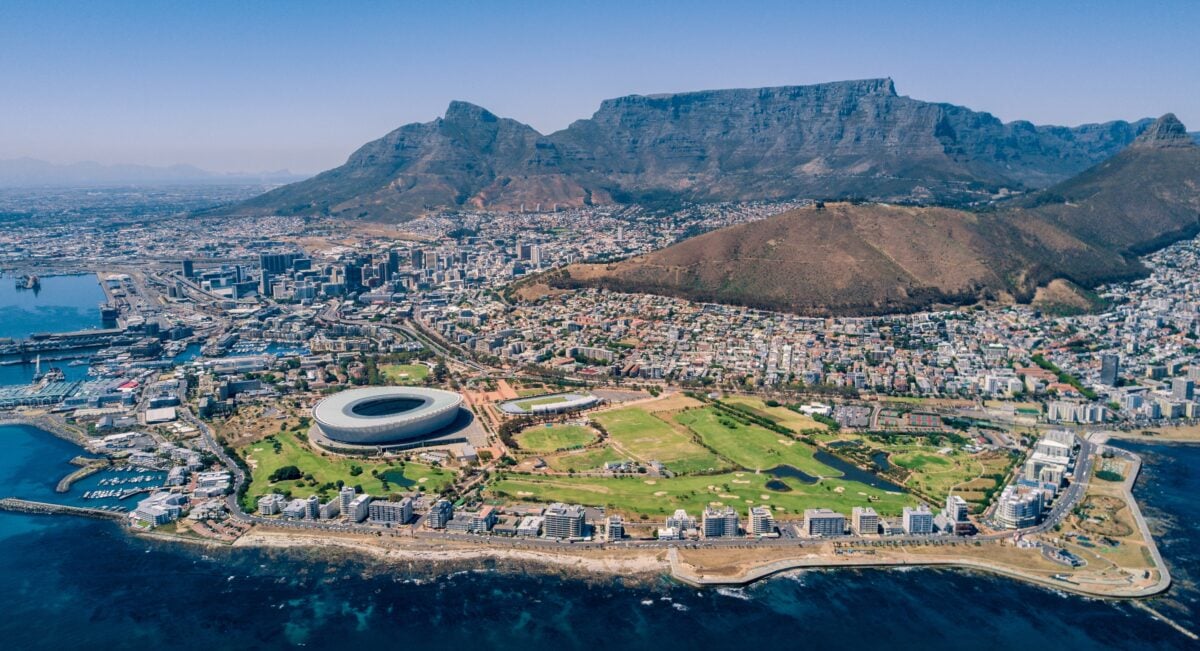
South Africa is an appealing choice for families who want a holiday that feels genuinely different without being limited to one kind of experience. Cape Town offers beaches, restaurants, mountain scenery and plenty of family-friendly attractions, while the wider country opens the door to road trips, wildlife reserves and coastal stays.
A typical family itinerary might begin in Cape Town with a cable-car journey up Table Mountain, time around the V&A Waterfront and a drive towards the Cape Peninsula. From there, families can continue along the Garden Route or connect with a game reserve for the chance to see elephants, giraffes, rhinos and other wildlife in their natural surroundings.
The main advantage is variety. A South Africa holiday can include city sightseeing, beach time, scenic drives and safari experiences without forcing the entire trip into one theme. For families who would rather organise flights, hotels, transfers and multiple stops through a single booking, comparing South Africa Holiday Packages can make a more complicated itinerary easier to manage.
September to November can be a particularly useful period for family travel, with spring conditions in much of the country and opportunities to combine outdoor sightseeing with wildlife viewing. However, South Africa is large and regional conditions vary, so families should plan around the exact areas they intend to visit rather than treating the country as having one uniform climate.
How to plan South Africa with children
- Choose two or three main bases rather than trying to cover the entire country in one trip.
- Consider a malaria-free game reserve when travelling with younger children or anyone who prefers a simpler health-planning process.
- Leave enough time for Cape Town rather than using it only as an arrival point. The city and surrounding peninsula can easily fill several family days.
- Use domestic flights for distant regions where a long drive would take too much time away from the holiday itself.
- Check minimum ages for game drives, walking safaris and other activities before confirming accommodation.
Austria: the cultural trip that still lets children move
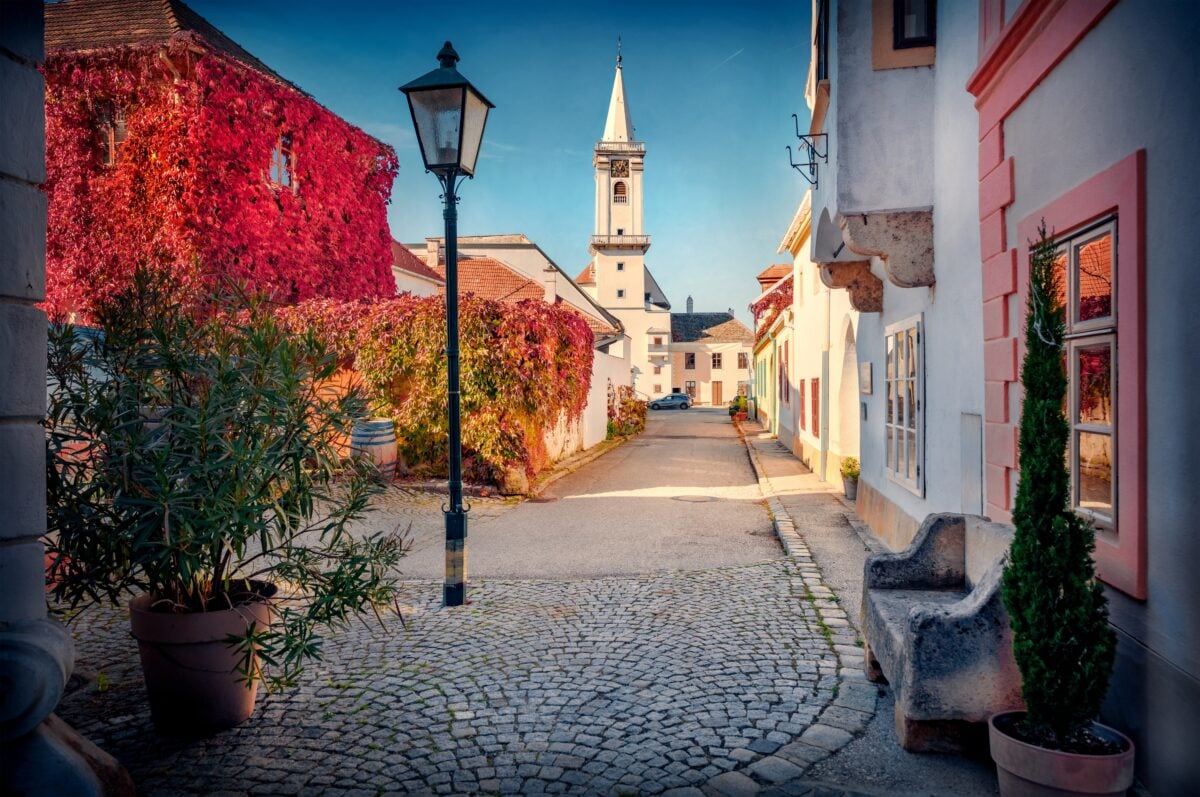
Austria deserves attention from families who want more than a resort but do not want every day to feel like a museum assignment. Vienna has baroque architecture, gardens, museums and galleries. Salzburg brings Mozart and The Sound of Music associations, while Linz, Graz and Innsbruck offer alternative city stops depending on the route and season.
The country’s real advantage is its geography. The Austrian Alps cover around two-thirds of Austria, and the public-transport network makes it practical to combine urban sightseeing with mountain time. In warmer months, that can mean hiking and horse riding. In winter, it shifts naturally towards skiing and snowboarding.
Austria also has one powerful negotiation tool for families travelling with reluctant young cultural critics: strudel and schnitzel are readily available. It is not a formal parenting strategy, but it has potential.
Austria planning notes
- Use Vienna or Salzburg as a cultural anchor, then add a mountain stay rather than changing hotel every night.
- Autumn suits families who prefer walks, museums and city cafés without the full winter-sports commitment.
- For a winter trip, confirm lift access, lessons and suitable terrain directly with the chosen mountain area before booking. First-timers can also consider these beginner-friendly European ski resorts before settling on a base.
- Build in a food stop after a gallery or museum visit. Austrian comfort food is a dependable morale booster after a long afternoon indoors.
Choose the destination before choosing the deal
A package can simplify flights, transfers and accommodation, but the destination should still lead the decision. Start by agreeing on the family’s non-negotiables: warm water, a short transfer, public transport, separate sleeping space, wildlife experiences or a holiday where no one needs to drive every day.
For families who want accommodation and meals organised in one booking, compare All Inclusive
Family Holidays against independent options. The best fit is the one that leaves enough room for the experiences that made you choose Japan, Croatia, South Africa or Austria in the first place.
A small packing decision that pays off
For a multi-stop trip, packing cubes can make hotel changes less chaotic, particularly when children share a suitcase or family members need clothes for different weather. Assign one cube per person or use separate cubes for swimwear, layers and laundry. It is not glamorous, but neither is hunting for one missing sock in a hotel room at 7am.

We earn a commission if you buy through this link, at no extra cost to you.
The best late-2026 family holiday is the one with breathing room
Japan suits families ready for an autumn city-and-culture adventure. Croatia is the easy choice for beach-led days with plenty of scope for different generations. South Africa combines memorable wildlife experiences with coastlines, scenic drives and an exciting city break, while Austria delivers a rare combination of museums, mountain air and transport that does not require a complicated road-trip plan.
Whichever you choose, leave a little empty space in the itinerary. The most successful family holidays usually include a few plans you never make, and that is often the point.
