

A road trip can be one of the best ways to travel, right up until you are hungry, low on fuel, 90 minutes behind schedule, and arguing about whether the mysterious shortcut is actually a road.
Most road trip mistakes are not dramatic. They are small planning decisions that slowly pile up. An overambitious itinerary leads to night driving, night driving leads to tired passengers, and tired passengers suddenly have very strong opinions about where everyone should eat.
The good news is that most of these problems are avoidable. Whether you are planning a short weekend drive or tackling a longer route such as our Scotland road trip, building some breathing room into the plan will make the journey safer and far more enjoyable.
Road Trip Mistakes to Avoid Before You Leave
Many road trip problems begin several days before departure. The route looks reasonable on a map, the bags fit in the car, and everyone confidently agrees that they can wake up at 5:00 AM.
Then departure morning arrives, nobody can find the charger, and the person who promised to be ready first is still making coffee.
| Mistake | What Can Go Wrong | Better Approach |
|---|---|---|
| Overscheduling each day | Stops feel rushed and delays affect the entire itinerary | Leave at least one or two flexible hours each day |
| Using map estimates as exact times | , food, traffic and photo stops are not included | Add 20% to the estimated driving time |
| Depending on one navigation app | Closures and unpaved roads may not be clearly identified | Download offline maps and check official road information |
| Waiting until the tank is nearly empty | The next fuel station may be much farther away than expected | Refuel earlier in rural and remote areas |
| Skipping vehicle checks | A minor mechanical issue can become a roadside breakdown | Check tires, fluids, brakes and lights before leaving |
| Driving while tired | Reaction time and concentration decrease | Share the driving and take regular breaks |

Mistake 1: Packing the Schedule Too Tightly
Trying to cover too much ground is probably the most common road trip mistake. It is tempting to squeeze another town, viewpoint or attraction into the day because it appears to be “only 30 minutes away.” Unfortunately, several innocent-looking 30-minute detours can eat an entire afternoon.
An overpacked itinerary also removes the freedom that makes road trips enjoyable. There is no time to stop at an unexpected beach, browse a small-town market or investigate a roadside sign promising the world’s largest potato.
Choose one or two priority stops for each day and treat everything else as optional. This creates room for spontaneous discoveries without making you feel as though you have failed if you skip something.
- Plan around the places you would genuinely regret missing.
- Leave space for food, fuel and bathroom stops.
- Avoid booking timed activities immediately after a long drive.
- Schedule an easier day after an especially demanding route.
- Accept that seeing less often makes the trip more enjoyable.

Mistake 2: Underestimating Distance and Drive Time
Map apps usually show the fastest possible driving time under reasonably good conditions. They do not include coffee stops, queues at fuel stations, roadworks, missed exits or the inevitable discussion about whether everyone is hungry enough to stop yet.
A four-hour route can easily become five or six hours once real life gets involved. This is especially true on scenic roads, mountain passes and rural routes where you may travel more slowly than expected.
Add around 20% to the estimated journey time when building your itinerary. Add even more when driving through national parks, along coastal roads or during popular holiday periods.
This matters on routes with lots of worthwhile detours. For example, anyone exploring the region using our guide to things to do in New England will probably want time for small towns, viewpoints and seasonal stops rather than racing directly between overnight accommodations.
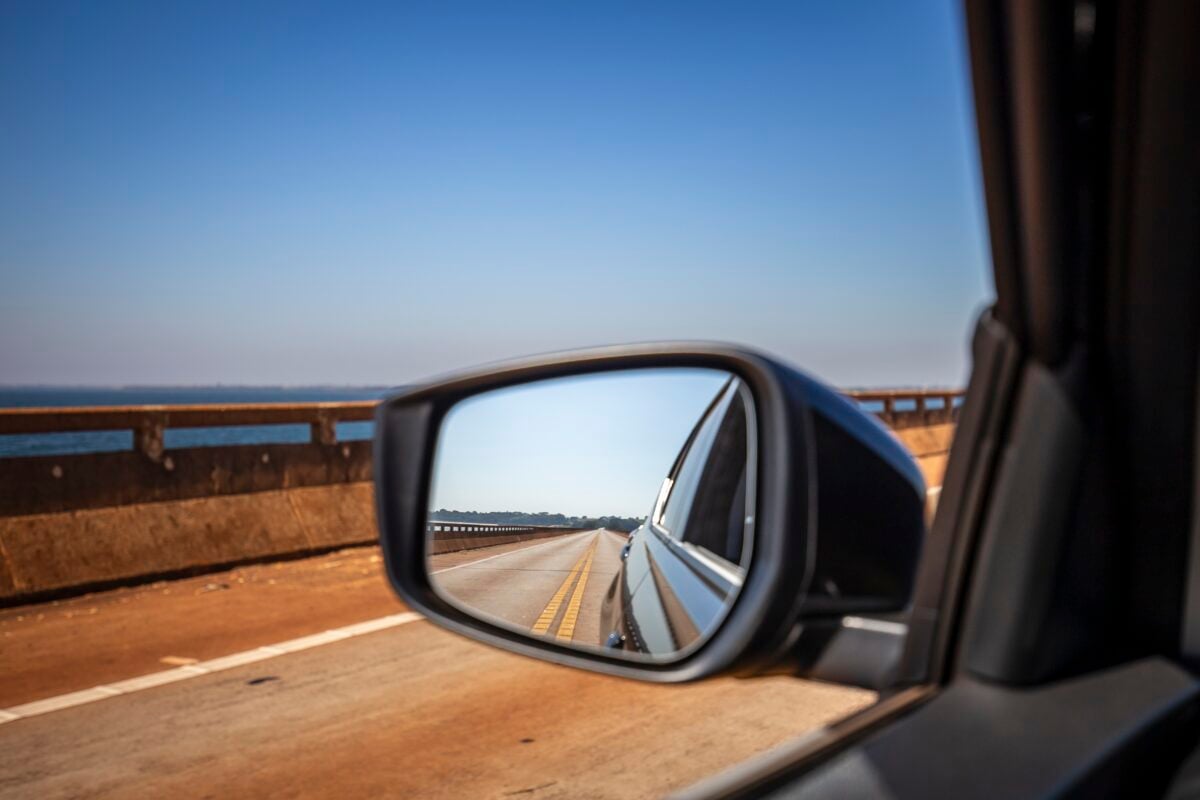
Mistake 3: Ignoring Traffic, Weather and Daylight
Mileage is only one part of a route. Traffic patterns, weather conditions and sunset times can completely change how manageable a drive feels.
A winding road that is pleasant in daylight can become stressful after dark. Heavy rain can slow traffic, reduce visibility and make unlit rural roads far more demanding. Seasonal weather can also close roads entirely, particularly around mountains and national parks.
Check the forecast through the official National Weather Service safety portal and look at state or regional transportation updates before setting off. Do this again on the morning of the drive because conditions can change after the itinerary has been created.
Seasonal timing deserves extra attention when the scenery is part of the reason for travelling. Our guide to fall in Arkansas, for example, is built around autumn colour, outdoor stops and scenic drives, all of which are better when you leave enough daylight to enjoy them.
Route Planning Mistakes That Cause Problems on the Road
A route can look perfect on a laptop and behave very differently once the wheels are moving. Navigation apps are helpful, but they are not tiny all-knowing road-trip wizards.
Mistake 4: Trusting One App for Every Route Choice
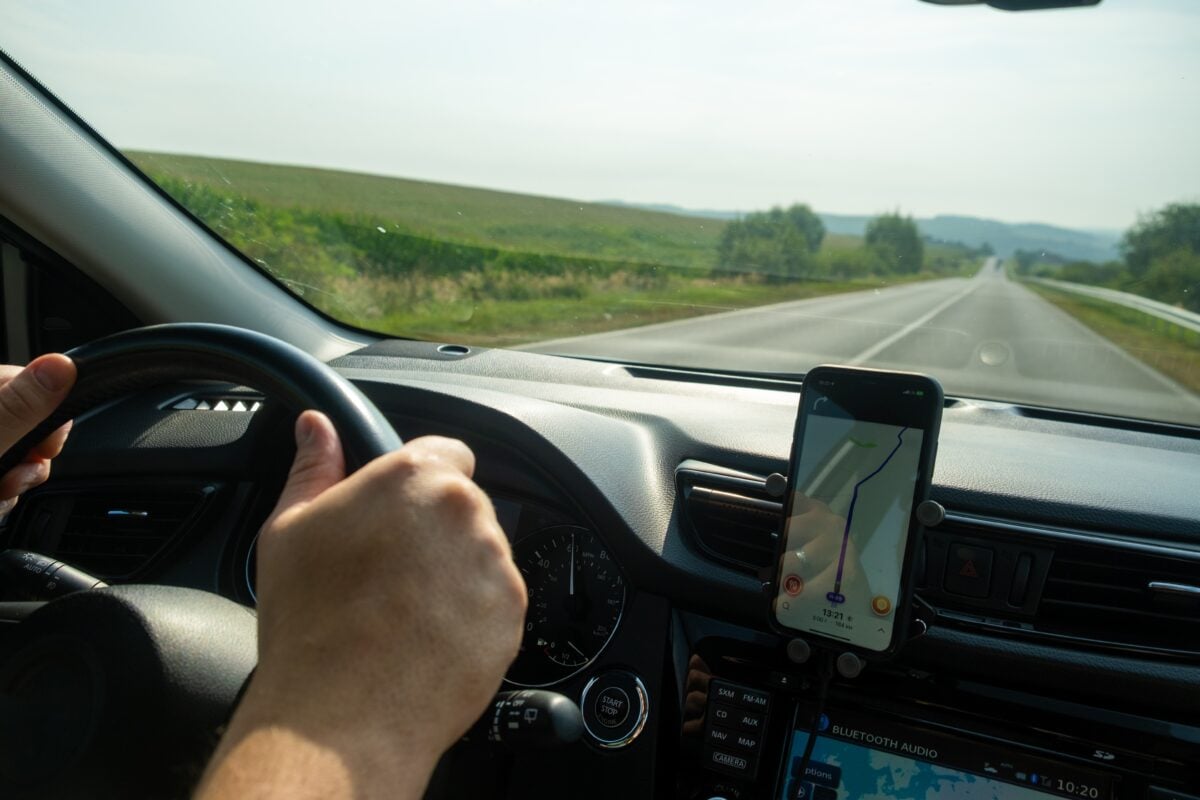
Google Maps is a reliable starting point, but it doesn’t always account for unpaved roads, seasonal closures, or current road conditions on less-traveled routes. That blind trust becomes a real problem when cell service drops, which happens frequently near national parks and state parks.
Downloading offline maps before departure means navigation keeps working even when the signal doesn’t. Apps like Maps.me or even Google’s offline mode handle this well, and pairing them gives travelers a backup when one source falls short.
It is also worth reviewing the route manually rather than blindly accepting the fastest option. A navigation app may save eight minutes by sending you along a narrow, unlit or poorly maintained road. Those eight minutes will not feel like a victory if you spend the entire time gripping the steering wheel like it owes you money.
For trips involving national parks, check the relevant park page through the official National Park Service trip-planning guide. Park websites can provide information about closures, entrance requirements, seasonal access, parking and current conditions.
Mistake 5: Assuming Fuel and Services Are Always Nearby
Fuel planning becomes even more important when towing because the additional weight can reduce fuel efficiency and make some routes less practical. It is worth checking the trailer’s weight, your vehicle’s towing capacity and the distance between fuel stops before setting off.
There are companies that specialise in different trailer types and towing setups. For example, drivers researching suitable options can shop Horizon models at Brechbill Trailers, then use essential road trip planning advice to work out fuel stops, daily driving distances and overnight breaks before committing to the route.
Skipping Car Preparation Can Ruin the Whole Trip
Even the best itinerary cannot rescue a car that is not ready for a long journey. Vehicle preparation is not the most glamorous part of road-trip planning, but neither is standing beside a steaming bonnet while everyone watches the accommodation check-in time disappear.
Mistake 6: Leaving Without a Basic Car Tune-Up
A car tune-up before a long trip is one of the simplest ways to avoid preventable breakdowns. Checking tire pressure, oil levels, brake condition, and fluid levels falls under basic preventative maintenance that takes less than an hour but can save an entire day.
Drivers who skip this step often discover problems at the worst possible time, far from any service center and with no easy fix in sight.
Before departure, check the following:
- Tire pressure and visible tire damage
- Oil, coolant and windshield washer fluid
- Brake lights, headlights and indicators
- Windshield wipers
- Spare tire pressure and condition
- Battery condition, especially before a winter trip
- Insurance and roadside assistance information
- Any warning lights already showing on the dashboard
Do not ignore an existing warning light because the car “seems fine.” Cars have a mischievous habit of waiting until you are far from home before proving that they were not, in fact, fine.
Mistake 7: Packing for Comfort but Not Emergencies
Snacks and a good playlist are fine, but a flat tire on a remote road requires something more useful. Knowing how to change a flat and carrying the right tools to do it is a basic skill every road tripper should have before departure.
A well-stocked emergency kit should cover roadside delays, sudden weather shifts, and minor car trouble. Jumper cables, a flashlight, water, a basic first aid kit, and a AAA membership card cover most scenarios. Travelers who want a full rundown can check what to pack before you hit the road before loading up the car.
Your roadside kit should ideally include:
- A flashlight with spare batteries
- Jumper cables or a portable jump starter
- A first aid kit
- Bottled water and shelf-stable snacks
- A blanket or extra warm layer
- A tire pressure gauge
- A phone charging cable and power bank
- Reflective warning triangles or a high-visibility vest
- Basic tools and work gloves
- Paper towels and rubbish bags
Keep these items somewhere accessible. An emergency kit buried under six suitcases, a cooler and an inflatable flamingo is technically in the car, but it is not especially useful.

Adventure Medical Kits
Adventure Medical Kits Ultralight/Watertight Medical Kit .9, (4 Person)
We earn a commission if you buy through this link, at no extra cost to you.
Mistakes That Make Everyone Tired and Grumpy
Some road trips go wrong without a breakdown, closure or navigation failure. The car keeps moving, but the people inside it slowly lose patience with the route and each other.
Mistake 8: Running on Snacks, Caffeine and Willpower
NHTSA drowsy driving data makes the stakes clear: driver fatigue contributes to thousands of crashes annually, and yet plenty of road trippers treat exhaustion as something to push through rather than prevent.
Relying on snacks and caffeine to stay alert only buys time. Real meals, scheduled breaks every two hours, and easy-access snacks that don’t require digging through a packed trunk all help maintain energy and patience across a long day. Driving at night raises the risk further, especially when travelers are already hours into a demanding route.
Schedule proper breaks before you feel exhausted. Walk around, stretch, use the bathroom and switch drivers when possible. Fifteen minutes outside the car can make the next section of the journey feel much easier.
If you are struggling to keep your eyes open, stop driving. Opening a window, turning up the music or consuming another enormous coffee is not a reliable solution to genuine fatigue.
Mistake 9: Forgetting to Plan Food Stops
Food can become surprisingly complicated on a road trip. Restaurants may close earlier in small towns, service areas can be miles apart, and the only available dinner at 9:30 PM might be a slightly suspicious sandwich from a fuel station refrigerator.
Save a few possible meal stops along the route before departure. Pack enough food to cover delays, but avoid relying entirely on sweets and salty snacks. Fruit, sandwiches, nuts and reusable water bottles are much kinder to your energy levels.
It is also worth discussing food expectations with the group. One person may be happy eating in the car while another has been quietly imagining a leisurely restaurant lunch with table service and a dessert menu.
Mistake 10: Traveling With the Wrong Setup or Group
Even a well-planned route can unravel when companion dynamics haven’t been thought through. Mismatched travel styles, no clear agreement on cost sharing, or one person who needs frequent stops while another wants to push through can generate real friction fast.
Before leaving, agree on a few basics:
- How fuel, parking and accommodation costs will be divided
- How many hours the group is comfortable driving each day
- Whether people prefer early departures or slower mornings
- Which attractions are genuine priorities
- How often drivers and passengers will need breaks
- Who controls the playlist, a decision that can apparently end friendships
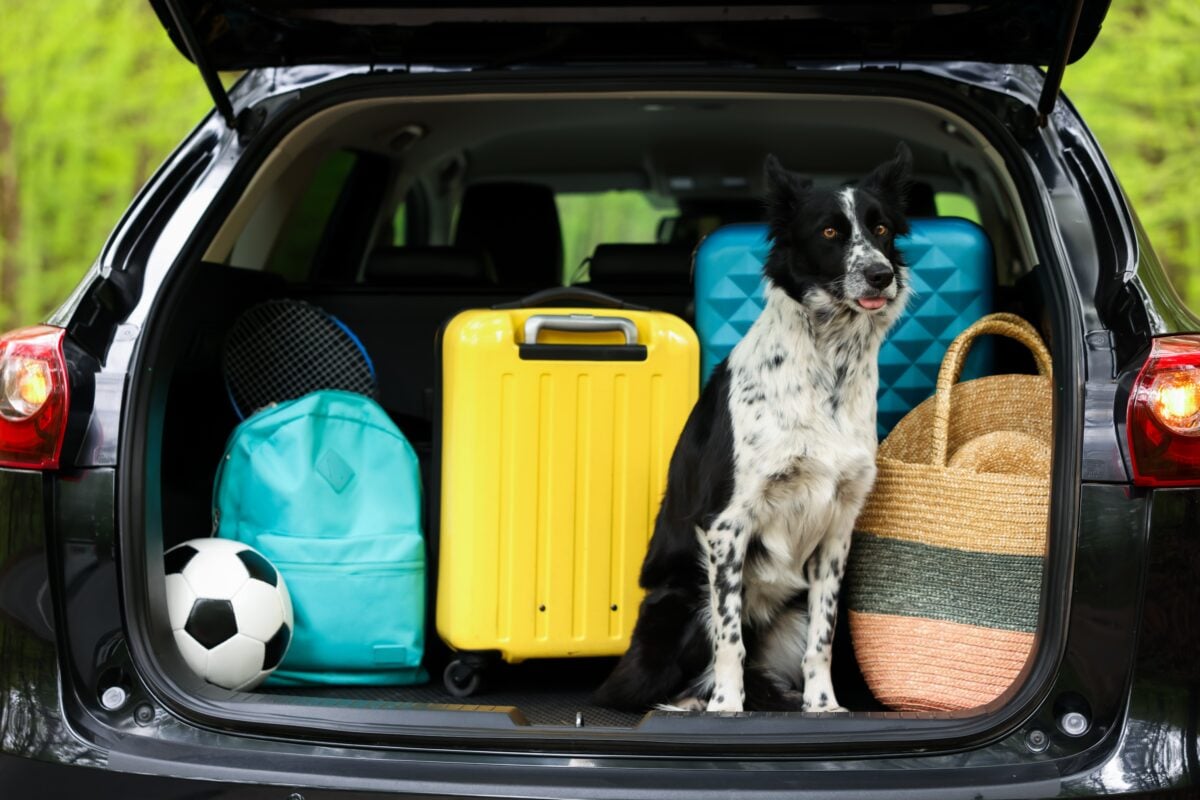
Pet logistics fall into the same category. An unplanned stop to walk a dog or manage an anxious animal in a warm car shifts the whole group’s timeline, often at the least convenient moment.
Accommodation Mistakes That Create Unnecessary Stress
Mistake 11: Booking Overnight Stops Too Far Apart
Saving money on accommodation is useful, but not when the cheaper hotel adds another hour of driving at the end of an already long day.
Check the exact location of each property rather than assuming it is central because the listing uses the name of a nearby city. A hotel described as being “near” an attraction may be 30 or 40 miles away.
Pay attention to check-in times as well. Smaller guesthouses and rural properties may not have a staffed reception desk late at night. Contact the property if your arrival time is uncertain.
Mistake 12: Leaving Every Booking Until the Last Minute
A completely spontaneous road trip sounds wonderfully carefree, but it becomes less charming when every reasonably priced room is booked.
During festivals, school holidays and peak foliage seasons, accommodation can fill up well in advance. Popular campsites, park entrances, ferries and timed attractions may also require reservations.
You do not need to schedule every minute, but booking your overnight stops gives the trip a basic structure. Flexible or refundable reservations can preserve some freedom without leaving you to sleep in the car beside three bags of crisps and a travel pillow.
How to Build a More Flexible Road Trip Itinerary
A good road trip plan provides direction without trying to control every hour. Start by choosing the main destinations, then build manageable driving days between them.
A simple daily structure might look like this:
- Choose one main attraction or experience.
- Add one optional secondary stop.
- Identify a likely lunch or rest stop.
- Plan where you will refuel or recharge.
- Aim to arrive before dark when the route is unfamiliar.
- Keep at least one hour unplanned.
That unplanned hour is not wasted time. It is your protection against traffic, queues, weather and wrong turns. When nothing goes wrong, it becomes extra time for a scenic stop or a longer lunch.
Final Road Trip Checks Before Departure
Run through this quick checklist the evening before leaving:
- Download offline maps for the full route.
- Check traffic, weather and current road closures.
- Confirm accommodation addresses and check-in details.
- Fill the fuel tank or charge the vehicle.
- Check tire pressure and fluid levels.
- Pack water, food and essential medication.
- Place the emergency kit somewhere accessible.
- Share the route with someone who is not travelling with you.
- Make sure each driver is insured and comfortable with the vehicle.
- Allow enough time for a proper night’s sleep.
A Better Road Trip Requires Fewer Bad Assumptions
Most ruined road trips trace back to the same root cause: something that felt safe to assume turned out not to be. Time, road conditions, fuel range, group dynamics, and car readiness all carry more weight than they appear to on a map.
The best road trips are rarely the ones with the most detailed schedules. They are the ones with enough structure to keep everyone moving and enough flexibility to handle the unexpected.
Prepare the car, check the route and leave room for delays. Then, when you spot an unexpected viewpoint, strange roadside attraction or extremely persuasive bakery sign, you can stop without watching the entire itinerary collapse behind you.
