Scottish last names that start with Y are rare. That is the short answer, and it is why this letter tends to stump family historians, parents searching for heritage names, and anyone trying to complete an A to Z surname list.
Still, rare does not mean non-existent. Y surnames do appear in Scottish records, but they are much less common than names beginning with Mac, Mc, C, or B. Some are genuinely Scottish in use, some are spelling variants, and some turn up in Scotland without being Scottish in origin.
This guide is part of our Scottish Names collection. Browse our complete Scottish Names directory for A–Z first names, surnames, Gaelic names, meanings, and themed collections.
If you are researching Scottish Last Names That Start With Y, the useful approach is to look at naming traditions, older spellings, and the way surnames were recorded in parish registers, census returns, valuation rolls, and wills. That is where the story gets more interesting than a simple list.
Scottish Names Beginning With
Choose which type of Scottish name you would like to explore.
Why Are Scottish Last Names That Start With Y So Uncommon?
Scottish surnames mostly grew out of patronymics, place names, occupations, and personal characteristics. In practice, that produced a huge number of names beginning with Mac or Mc in Gaelic-speaking areas, and plenty of Lowland surnames beginning with letters like A, B, C, D, and S.
The letter Y has never carried much weight in Scottish surname formation. It appears far less often at the start of traditional Gaelic and Scots surnames, so the pool was small to begin with. Add in centuries of spelling changes, anglicisation, and inconsistent record-keeping, and some names that might look like Y surnames today were once written differently.
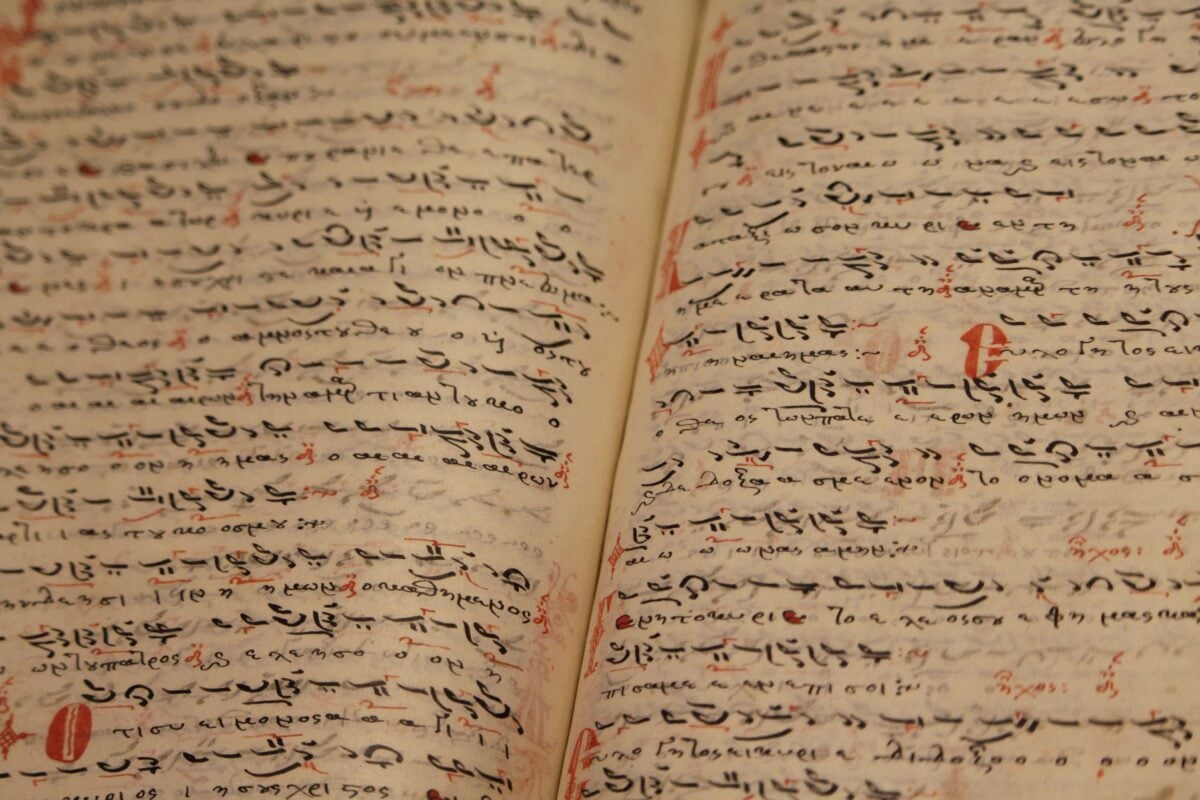
Older Scottish documents add another wrinkle. Historical handwriting in Scotland sometimes includes the letter yogh, an older character that can resemble a 3, a z, or a y. If you are tracing a family line through early modern records, that can make a surname look very different from its later spelling.
For broader surname research, Scotland’s People has a practical surname search guide, and its note on the letter yogh is worth reading if old spellings are giving you a headache.
Are There Any Traditional Scottish Surnames Beginning With Y?
There are very few widely recognised traditional Scottish surnames beginning with Y. That is why many large surname lists barely show the letter at all. In broad reference lists of Scottish surnames, Y often has no obvious heavyweight equivalent to Campbell, Fraser, or Stewart.
That does not mean Y names never appear in Scotland. It means they tend to fall into a few categories:
- Rare surnames found in Scottish records, even if they are not originally Scottish.
- Variant spellings of better-known names.
- Names shaped by migration, especially through trade, military service, or movement within Britain and Ireland.
- Transcription oddities in historical documents.
This is also why a records-based surname list for Scotland can include names under Y while making clear that not every surname found in Scottish records is Scottish in origin. That distinction matters if you are trying to separate “used in Scotland” from “born in Scotland”.
Scottish Last Names That Start With Y in Historical Records
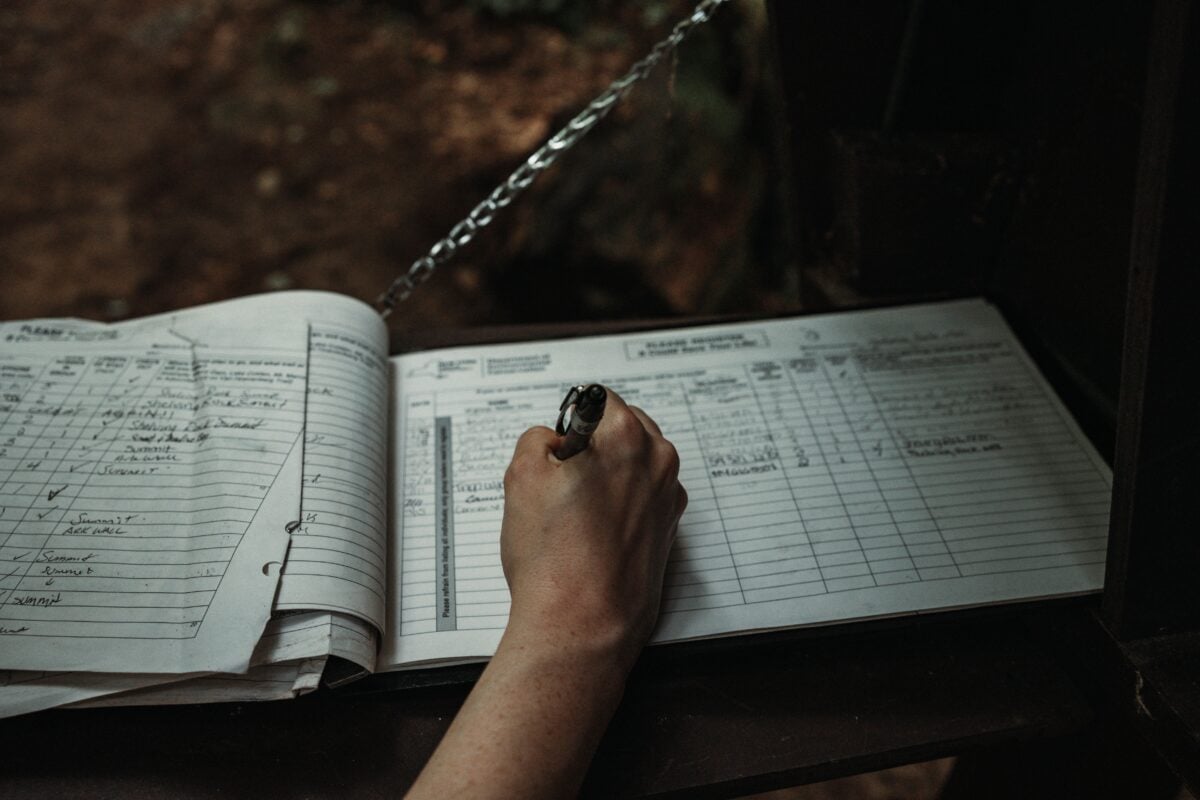
Records-based surname collections for Scotland show that Y surnames do exist in the archive, even if they are uncommon. Those collections are typically built from material such as census returns from 1841 to 1911, Old Parish Registers covering 1538 to 1854, statutory registration from 1855 onward, Catholic parish records, valuation rolls, and Scottish wills and testaments.
That matters for family history because a name does not need to be common to be traceable. If your surname begins with Y, you may still find it in:
- Old Parish Registers for baptisms, marriages, and burials
- Statutory birth, death, and marriage records after 1855
- Census records between 1841 and 1911
- Valuation rolls for addresses and property occupiers
- Wills and testaments that can tie families together across generations
The most useful mindset here is not “find a famous clan surname beginning with Y”, because you may be waiting a while. It is “track the name through real records and watch for spelling variation”. Scottish genealogy can be gloriously specific, but it does not always cooperate with modern spelling.
Examples of Y Surnames Found in Scotland
Because Y surnames are so sparse in mainstream Scottish surname references, it is safer to treat this as a research-led group of names found in Scotland rather than a neat canonical list of ancient clan surnames.
Examples you may encounter include:
- Young
- Younger
- Yule
- Yuill
Now, a quick note of caution. Not every one of these names is uniquely Scottish, and some have strong links across Britain. But they are all surnames you are likely to run into while researching Scottish families, especially in Lowland records.
Young
Young is one of the more familiar Y surnames associated with Scotland. It is not exclusively Scottish, but it does appear regularly in Scottish family history. The name is generally understood as a descriptive surname, linked to the idea of someone younger, often used to distinguish a son from an older relative with the same personal name.
You will also find Young as a practical naming label in records, where two men of the same name in one area needed separating. That kind of descriptive surname formation is common across Scotland and the wider British Isles.
Younger
Younger appears as a related surname and can work in a similar descriptive way. In Scottish contexts it may show up in families whose names settled into hereditary use over time. Like many surnames that feel obvious in modern English, it is simple on the surface and annoyingly complicated once you start digging through registers.
Yule
Yule is one of the best-known Y surnames linked with Scotland. The name is also found elsewhere, but it has a clear place in Scottish surname history. The surname was still well represented in recent records: National Records of Scotland counted 86 Yules in the 2024 baby names data as mothers’ or fathers’ surnames, which gives you a decent sense of how the name continues in everyday Scottish use.
If you are building a Scottish surname list, Yule is usually the first proper contender under Y. It has the advantage of being recognisable, documented, and genuinely useful for heritage searches.
Yuill
Yuill is a spelling variant you may see alongside Yule. Variant spelling is a huge part of Scottish surname work. Before standardised spelling became the norm, the same family name could appear in several forms across baptisms, marriages, burials, tax records, and census returns.
If you are tracing a Yuill line, it is sensible to search Yule as well, and vice versa. A registrar, minister, or clerk could easily record the same family under different spellings over time. In the same 2024 Scottish baby names dataset, Yuill appeared 19 times as a parental surname, which is a small number, but then that is the whole theme of the letter Y.
Meanings and Pronunciations
The instructions for Scottish given-name guides often call for Gaelic spellings and phonetics, but surnames under Y do not neatly fit that same pattern. Most of the better-attested Y surnames in Scotland are not straightforward Gaelic surnames with standard Gaelic forms in common modern use.
What is more useful here is a quick pronunciation guide for non-Scots readers:
- Young: pronounced like “yung”
- Younger: pronounced like “yung-er”
- Yule: pronounced like “yool”
- Yuill: usually pronounced close to “yool” or “yule”, depending on family usage
For meaning, the safest summaries are:
- Young: a descriptive surname meaning younger
- Younger: related to the same descriptive idea
- Yule: linked to the Yule or Christmas season
- Yuill: generally treated as a variant of Yule
That may look modest compared with a dramatic clan story, but modest is better than made up. Scottish surname research is full of websites that promise ancient meanings for everything under the sun. A little restraint saves a lot of nonsense.
How Scottish Naming Traditions Help Explain the Y Gap
To understand why Scottish Last Names That Start With Y are so limited, it helps to know how surnames developed in Scotland.
In the Highlands and Islands, many surnames came through Gaelic patronymics. That is where you get MacDonald, MacLeod, MacKenzie, MacPherson, and many more. In the Lowlands, surnames often grew from occupations, places, personal names, and nicknames, giving rise to names such as Armstrong, Kerr, Scott, Crawford, and Burns. If you are comparing surname habits with first-name traditions, these patterns look very different from the Gaelic choices in unusual Scottish girl names.
Broadly speaking, the linguistic roots of Scottish surnames did not generate many Y-initial forms. Gaelic, Scots, Norse influence in the north, and Norman-French influence in elite families all shaped surname history, but none of those streams produced a large Y section.
That is why the Y category feels thin compared with S or M. It is not a missing page. It is simply how the naming system developed.
Tips for Researching a Scottish Y Surname
If your family name starts with Y and you suspect Scottish roots, a few practical checks will save time.
- Search for spelling variants. Try Yule and Yuill together. If the name feels unusual, test phonetic alternatives.
- Use Scottish record sets in sequence. Start with statutory records after 1855, then move into census returns from 1841 to 1911, then parish registers if you need to go earlier.
- Pay attention to geography. A surname showing up repeatedly in one county or burgh can be more useful than a grand origin story.
- Watch old handwriting carefully. Scottish documents can be tricky, especially where older letter forms resemble y or z.
- Do not assume every Y surname in Scotland is Scottish by origin. Some families arrived from England, Ireland, continental Europe, or elsewhere and became part of Scottish local history all the same.
If you are just getting started, Scotland’s People remains the obvious place to search official Scottish family history records online.
Are There Any Scottish Clans for Y Surnames?
There is no major, widely recognised cluster of famous Scottish clan surnames beginning with Y. That is another reason people searching this topic often come away empty-handed.
Some Y surnames may connect to particular districts, families, or later branches of Scottish society, but Y is not a big clan letter. If your hope was to uncover the Y version of Campbell or MacGregor, this is the point where Scottish surname history gently clears its throat and changes the subject.
That said, lack of a famous clan does not make a surname less Scottish in lived history. A family recorded for generations in Perthshire, Fife, Angus, Edinburgh, or the Borders is part of the country’s story, whether the surname has tartan-shop fame or not. The same applies to plenty of smaller place-linked families you come across while exploring things associated with Scotland more broadly.
What to Read Next If You Are Building a Scottish Name List
If you landed here because you are working through a full alphabet of names, it helps to keep surnames and given names separate. Scottish surname patterns are very different from Scottish first-name patterns, especially where Gaelic forms are concerned.
For next steps, it makes sense to browse a wider Scottish names hub and then compare surname lists with Scottish girl names and Scottish boy names. That gives you a clearer feel for where letters such as Y are genuinely scarce, and where they are simply uncommon.
It also stops you mixing up baby-name websites with surname history, which happens more often than you would think. The internet is very confident about names. It is not always very right. If your wider Scotland planning has drifted from surnames into actual trip ideas, the best Scottish islands to visit is a much livelier rabbit hole.
FAQ About Scottish Last Names That Start With Y
What is the most common Scottish last name that starts with Y?
Yule is one of the best-known Scottish-associated surnames beginning with Y, with Young also appearing frequently in Scottish family history. Exact ranking depends on the record set being used.
Is Young a Scottish surname?
Young is used in Scotland and appears in Scottish records, although it is not exclusively Scottish in origin.
Is Yule a Scottish surname?
Yes, Yule has a recognised place in Scottish surname history. It is also found outside Scotland.
Why are there so few Scottish surnames starting with Y?
Very few traditional Scottish surnames developed with an initial Y. Scottish naming patterns were shaped mainly by Gaelic patronymics, place names, occupations, and personal nicknames, and those systems produced far more surnames under other letters.
Is Yuill the same as Yule?
Yuill is generally treated as a variant spelling of Yule. In historical Scottish research, it is wise to search both forms.
Can a surname be found in Scottish records without being Scottish in origin?
Yes. Scottish records include many surnames that were used by people living in Scotland but did not necessarily originate there.
The Short Version
If you only need the headline, here it is. Scottish last names that start with Y are rare, but they do exist. The most useful names to know are Young, Younger, Yule, and Yuill, with Yule and Yuill especially relevant when you are looking at Scottish surname history.
The trick is not chasing an oversized list that probably does not exist. Use solid records, expect variant spellings, and keep an open mind about origin. For the letter Y, that gets you much further than wishful thinking.