Scottish last names that start with D include some of the country’s best-known surnames, from Douglas and Davidson to Drummond and Dunlop. Some come from Gaelic patronymics, some from places, and some arrived through Scots, Norse, Norman, or occupational roots before becoming firmly woven into Scotland’s naming history.
This guide is part of our Scottish Names collection. Browse our complete Scottish Names directory for A–Z first names, surnames, Gaelic names, meanings, and themed collections.
If you’re building a family tree, choosing a character name, or just trying to work out whether a surname is actually Scottish, this is a good letter to start with. D surnames in Scotland are a lively mix of clan names, place names, and spelling variants that can look simple on the page and get much more interesting once you dig in.
Below, you’ll find a practical guide to the most recognisable Scottish surnames beginning with D, plus a few less obvious names that still turn up in Scottish records.
Scottish Names Beginning With
Choose which type of Scottish name you would like to explore.
How Scottish Surnames Usually Work
Scottish surnames did not come from one single system, which is why the letter D gives you such a mixed bag. Some names are patronymic, meaning they began as “son of” names. Others are territorial, tied to a place or estate. Others came from jobs, nicknames, or language shifts between Gaelic, Scots, English, and Norse.
That is also why spelling can wobble. A surname such as Docherty may also appear as Doherty. Dickson and Dixon can overlap. Dougal, Dougall, and Dougal may reflect related naming roots or later spelling choices rather than neat, separate boxes. Genealogy would be much easier if Scottish clerks had all agreed with each other. They did not.
If you want broader context beyond this list, it helps to compare surnames with official Scottish family-history resources such as ScotlandsPeople and naming data published through the National Records of Scotland. For wider cultural context, the names also sit naturally alongside other things associated with Scotland, from clans and place names to Gaelic language and regional identity.
Common Scottish Last Names That Start With D
Several D surnames appear again and again in Scottish records and modern surname lists. You will see some of these all over Scotland, while others have stronger ties to particular regions or clan histories.
| Surname | Usual Type | Quick Note |
|---|---|---|
| Davidson | Patronymic | Literally linked to the personal name David |
| Duncan | Personal name surname | From the given name Duncan |
| Dickson / Dixon | Patronymic | Derived from Dick, a short form of Richard |
| Docherty / Doherty | Gaelic family name | Found in Scotland and Ireland, with overlapping history |
| Douglas | Territorial | One of the most famous Scottish surnames |
| Donaldson | Patronymic | Descendant of Donald |
| Drummond | Territorial | Long-established Scottish family and place-linked name |
| Dunlop | Territorial | Linked to the place name Dunlop in Ayrshire |
| Downie | Territorial or locational | Usually tied to place-name roots |
| Dewar | Occupational or hereditary office | Associated with church custodial roles in older usage |
| Dunbar | Territorial | Connected to the East Lothian town and earldom |
| Dalziel | Territorial | Famous for its unusual pronunciation |
Scottish Last Names That Start With D, Explained
Douglas
Douglas is one of the best-known Scottish surnames full stop, never mind among D names. It is usually explained as a territorial name linked to Douglas in South Lanarkshire, and the traditional meaning often given is “black water”. The House of Douglas became one of the most powerful noble families in medieval Scotland, which is a fair clue that the name travelled widely. The place itself still sits in South Lanarkshire today, so this is one of those surnames where the map and the history line up nicely for once.
You will also meet Douglas as a first name. That crossover is common in Scotland, especially with older clan or surname-based given names.
Davidson
Davidson is straightforward in form: it means son of David. In Scotland, it is often associated with Highland clan tradition and appears in many parts of the country. Like a lot of patronymics, it tells you more about an ancestor’s given name than about a single place of origin.
If you are researching family history, Davidson is one of those names where local records matter. A Davidson line in Inverness-shire may have a different story from one in Aberdeenshire or Glasgow. Clan Davidson is also recognised as part of the historic Chattan Confederation, which helps explain why the name carries such a strong Highland association.
Duncan
Duncan comes from the personal name Duncan, which has deep Scottish history and royal associations. As a surname, it likely began when descendants of a man named Duncan adopted the name as hereditary family identification.
It is one of those surnames that feels unmistakably Scottish to many people, partly because the given name remained so established for so long. The older Gaelic form Donnchadh sits behind it, so even when the surname looks tidy in modern English spelling, the roots go much further back.
Dickson and Dixon
Dickson and Dixon both come from Dick, a shortened form of Richard. The names are close cousins, and spelling differences often reflect local usage rather than dramatic differences in origin.
In Scottish records, both forms appear. If you are tracing a line, it is worth checking for each spelling, plus related short forms such as Dickie. Old records were not designed to make modern surname research painless. Parish registers, valuation rolls, and census returns can all swap between forms without much apology.
Docherty and Doherty
Docherty and Doherty are common in Scottish records, especially in western Scotland, though the name also has strong Irish roots. That cross-channel movement is part of the story for many surnames found in Scotland. A name can be prominent in Scottish families and records without having started there.
That is especially true in places shaped by migration and trade across the west coast. For family historians, this means the surname alone may not tell you whether a line is Highland Scottish, Lowland Scottish, or Ulster-linked. In 19th-century Glasgow and nearby industrial towns, that overlap becomes especially noticeable in church records and census material.
Drummond
Drummond is a long-established Scottish surname with territorial roots and major clan associations. It is one of the names that carries a strong aristocratic and historical feel, though of course most modern Drummonds are not wandering around with medieval earldoms attached.
The name has been prominent for centuries in Scottish political and landholding history, which helps explain why it remains so recognisable. The root is commonly linked to Gaelic druim, meaning a ridge or high ground, which suits a lot of Scottish landscape-based naming rather well.
Donaldson and Donald
Donaldson means son of Donald, while Donald itself also appears as a surname. Donald is an old and important Scottish personal name, particularly in Highland and clan contexts. The name is strongly associated with the ancient Macdonald tradition, although Donaldson is a separate surname form rather than just a spelling variant of Macdonald.
If you are sorting surnames by root name, Donald, Donaldson, and even some Donnell or Donnachie forms may sit in the same broad naming neighbourhood while still having distinct histories. The personal name comes from Gaelic Dòmhnall, a reminder that plenty of apparently plain modern surnames began life in much older forms.
Dewar
Dewar is often explained as an occupational or office-holding surname. In older Scottish usage, it has been linked to hereditary keepers or custodians of church relics. That gives it a different feel from simple patronymic names.
It is also a neat reminder that not every old Scottish surname came from a father’s forename or a patch of land. In Gaelic contexts, the related form deòradh has been connected with a pilgrim or church custodian, which fits the older explanation well.
Dunbar
Dunbar is a classic territorial surname linked to Dunbar in East Lothian. As with Douglas, the place association matters. Powerful families who held land often passed their place-name identity into hereditary surname use.
Place-based surnames can be particularly helpful in genealogy because they sometimes point you toward a region faster than patronymics do, although there are no guarantees once families begin moving. The name also carries the weight of one of Scotland’s older earldoms, which helped keep it visible for centuries.
Dunlop
Dunlop is another locational Scottish surname, commonly linked to the place of the same name in Ayrshire. It is a good example of how many Scottish surnames were built from settlements rather than from personal descriptors.
Locational surnames often sound fixed and tidy, but families carrying them may have lived nowhere near the original place after a few generations. That is especially true once you hit the big 18th- and 19th-century movements into towns and industrial centres.
Downie
Downie appears regularly in Scottish surname lists and records. It is generally treated as a locational or place-linked name. As with many older surnames, the exact original place reference can vary by line and region.
It is not as globally famous as Douglas or Duncan, but in a Scottish surname context it is a very solid D-name to know. You will find it in northeast Scotland in particular, alongside other surnames that feel familiar locally even if they do not travel as loudly abroad.
Dalziel
Dalziel deserves a special mention because of its pronunciation. In Scotland, it is commonly said more like dee-ELL than how many non-Scots would guess from the spelling. It is a territorial surname from Lanarkshire and one of those excellent reminders that Scottish names do not always behave politely for outsiders.
If you are using the name in fiction or family writing, getting the pronunciation right is half the battle. The old spellings varied too, so anyone tracing the name in medieval or early modern records should expect a bit of squinting.
Dempster
Dempster is an occupational surname. In Scots law and administration, a dempster was an official associated with pronouncing judgments. That makes it one of the more specific working-role surnames in the Scottish set.
Occupational names often preserve jobs that most of us would never guess from the spelling alone, which is part of their charm. It is the kind of surname that quietly tells you something about how medieval Scottish institutions actually worked.
Doig
Doig is a smaller but distinctly Scottish surname, especially associated with eastern Scotland. Short surnames like this can be awkward in records because spelling variations and transcription slips are common, so it pays to search broadly when tracing them.
Even when a name looks simple, its path through parish registers and census returns may be anything but. In practical terms, names this short are often worth searching with wildcards in digitised archives.
Less Obvious D Surnames Found In Scotland
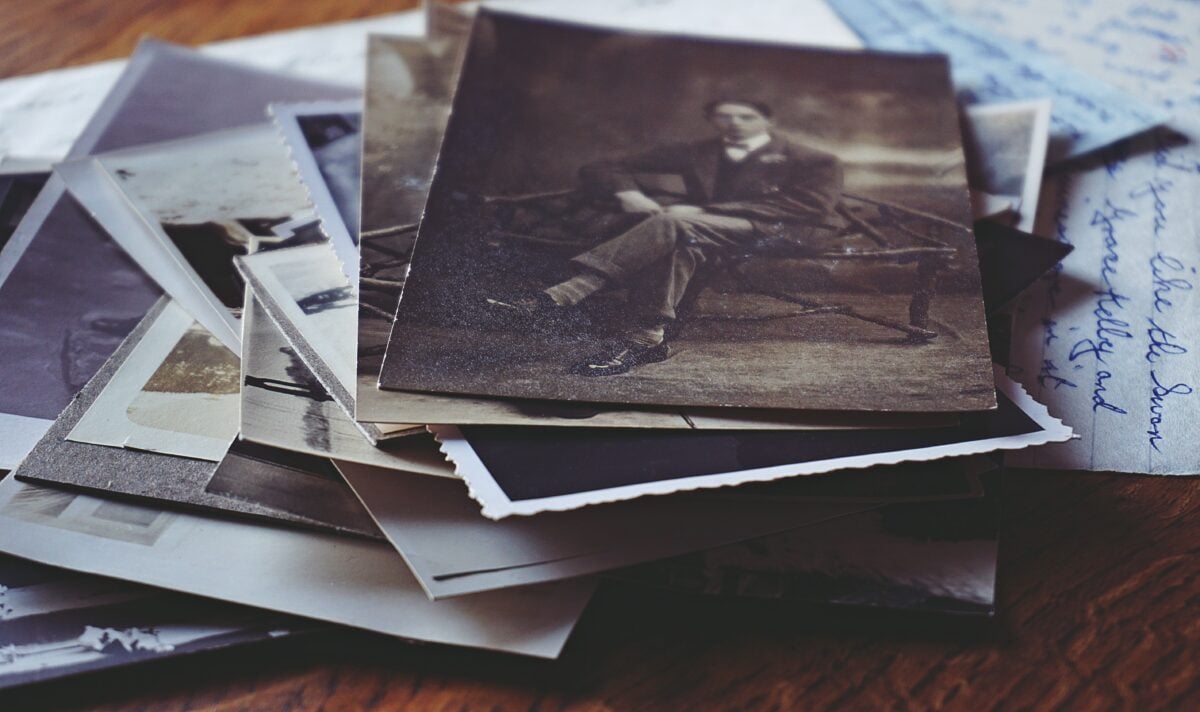
Not every surname found in Scottish records is Scottish in origin. That is normal. Historical records from Scotland include surnames shaped by migration, trade, religion, military service, and later urban growth.
Examples of D surnames regularly found in Scottish contexts include Davie, Davison, Dawson, Duthie, Drysdale, Darroch, Dalrymple, Dingwall, Dobbie, Duguid, and Dougal or Dougall. Some are strongly Scottish. Some are shared with England or Ireland. Some are best understood region by region.
That is why surname lists are useful, but records matter more. A surname can be common in Scotland without being uniquely Scottish in origin.
Gaelic Roots You Will See Behind Some D Names
A number of Scottish D surnames connect, directly or indirectly, to Gaelic naming traditions. The letter D itself appears in anglicised surname forms more often than in obvious original Gaelic spellings, because many names were reshaped into Scots or English over time.
For example, names tied to personal names such as Donald, Duncan, and Dougal often reflect older Gaelic forms behind the scenes. The modern surname may look tidy and English on paper while carrying a much older Highland naming history.
If your interest is personal names as well as surnames, the Scottish Gaelic form of David is Dàibhidh, usually pronounced roughly DAA-vee. That matters more for first names than surnames, but it helps explain why names like Davidson belong in the wider Scottish naming conversation. If you want to keep going down that rabbit hole, these rare Gaelic Scottish girl names show the same pattern of older language surviving beneath modern spellings.
How To Research A Scottish D Surname Properly
If you are trying to work out whether a D surname in your family is Scottish, start with records before family legend. Everyone seems to have an auntie who is absolutely certain the surname came from a castle. Sometimes she is right. Sometimes she has simply watched too much television.
- Check spelling variants. Search Dickson and Dixon, Docherty and Doherty, Dougal and Dougall, and any shorter forms that may appear in census or parish records.
- Use Scottish civil and church records. ScotlandsPeople is the main starting point for births, deaths, marriages, census returns, and older church material.
- Look at geography. Territorial surnames such as Douglas, Dunbar, Dunlop, and Dalziel may point toward particular districts or estates.
- Watch for cross-border and Irish links. Names such as Doherty, Duffy, Devlin, Donnelly, and Doyle appear in Scotland too, especially in later urban records.
- Read the name in context. Occupation, parish, religion, and migration pattern can be just as useful as the surname itself.
For broader surname and population context, the Scottish Government publishes information pointing readers toward official surname data through the National Records of Scotland. If your search turns into a wider Scotland trip, this guide to UK places teenagers won’t complain about includes Scottish stops that make the family-history detour a bit easier to sell.
Are All D Surnames In Scotland Clan Names?
No. Some are linked to clans or historic families, but many are not. Douglas and Drummond have famous clan or noble associations. Davidson also has recognised clan connections. But names such as Dempster or Dewar may come from offices and occupations, while names such as Dunlop or Dunbar may be locational.
That is one of the easiest mistakes to make with Scottish surnames. A name can be old, established, and very Scottish without belonging neatly to the tartan-and-crest version of family history.
Quick List Of Scottish Last Names That Start With D
- Dalrymple
- Dalziel
- Darroch
- Davidson
- Davie
- Davison
- Dewar
- Dickie
- Dickson
- Dingwall
- Dixon
- Doig
- Docherty
- Doherty
- Donald
- Donaldson
- Donnachie
- Douglas
- Dougall
- Dougal
- Downie
- Drew
- Drummond
- Drysdale
- Duguid
- Dunbar
- Duncan
- Dunlop
- Duthie
FAQ About Scottish Last Names That Start With D
What is a common Scottish surname that starts with D?
Douglas, Davidson, Duncan, Dickson, Drummond, Donaldson, and Dunlop are among the most widely recognised Scottish surnames beginning with D.
Is Douglas a Scottish surname?
Yes. Douglas is one of the most famous Scottish surnames and is traditionally linked to a place name in South Lanarkshire. It has deep roots in medieval Scottish history.
Is Dalziel really Scottish?
Yes. Dalziel is a Scottish territorial surname associated with Lanarkshire. It is especially well known because its pronunciation often surprises people who are not from Scotland.
Are Dickson and Dixon both Scottish?
Both appear in Scotland. They are related surnames derived from Dick, a short form of Richard, and the spelling may vary by family line and region.
Do all Scottish D surnames come from Gaelic?
No. Some have Gaelic roots, but others are territorial, occupational, Scots-language, or shared across Scotland, England, and Ireland.
Where can I research Scottish surnames?
The main official family-history resource is ScotlandsPeople. The National Records of Scotland also provides background information on records and surname data.
Final Thoughts
Scottish last names that start with D cover a lot of ground. Some are grand old territorial names like Douglas and Dunbar. Some are practical patronymics like Davidson and Donaldson. Some, like Dewar and Dempster, hint at older roles and offices that would not occur to most of us over a morning cup of tea.
If you are researching a surname, the best approach is to treat the name as a clue, not a conclusion. In Scottish naming history, that usually gets you further than a crest mug ever will.
If you’re exploring more naming ideas, it also makes sense to compare surname roots with Scottish first-name traditions, especially where old Gaelic personal names sit behind modern family names.