Scottish first names that start with T include familiar choices like Tavish, Thane, Tomas and Todd, plus older Gaelic and Norse-influenced names such as Tearlach, Tormod and Torquil. If you want a name with a clear Scottish link, the strongest options tend to come from Gaelic forms, place names, clan history and old titles used in Scotland.
This guide is part of our Scottish Names collection. Browse our complete Scottish Names directory for A–Z first names, surnames, Gaelic names, meanings, and themed collections.
Scottish naming is rarely tidy. Some names are straightforward Gaelic forms, some arrived through Norse or Scots usage, and some sit in the grey area between a first name, surname and place name. That is part of the fun, and occasionally part of the headache.
This guide pulls together the best-known Scottish first names that start with T, with meanings, easy pronunciation help and notes on where the name fits in Scottish tradition. Where a meaning varies between naming lists, I have stuck to the version most widely repeated or left the point cautious rather than pretending certainty. If you are comparing these with other heritage picks, it also helps to look at wider things associated with Scotland and the naming patterns that come with them.
Scottish Names Beginning With
Choose which type of Scottish name you would like to explore.
How Scottish Naming Traditions Shape T Names
Scottish names often come from Gaelic, Scots, Norse and Biblical traditions. That mix explains why T names can look very different from one another. Tavish comes through Gaelic as a form of Thomas, Tormod and Torquil show Norse influence, while Thane comes from an old title used in medieval Scotland.
Another quirk is that a name may appear in more than one spelling. You might see Tearlach and Tearlag, or Torquil and the Gaelic form Torcaill. That is normal in Scottish naming, especially when Gaelic names are anglicised for everyday use.
You will also come across names that began as surnames or place names and shifted into first-name territory. Torrance, Tyree and Tay fit that pattern. They can still feel distinctly Scottish, even if the route into use is different from an older Gaelic given name.
Best Scottish First Names That Start With T
If you want the shortlist first, these are the T names with the clearest Scottish feel and the most useful combination of history, pronunciation and recognisable use.
- Tavish – a Scottish form of Thomas, usually linked with the meaning twin
- Tearlach – a Gaelic form associated with Charles
- Thane – an old Scottish title linked with a chief or noble rank
- Tormod – a Norse-rooted Scottish name often glossed as north or linked with northern origins
- Torquil – from Norse, commonly given as Thor’s cauldron
- Tomas – a Scottish and international form of Thomas, meaning twin
- Tyree – a Scottish name associated with Tyrie or the island/place-name tradition
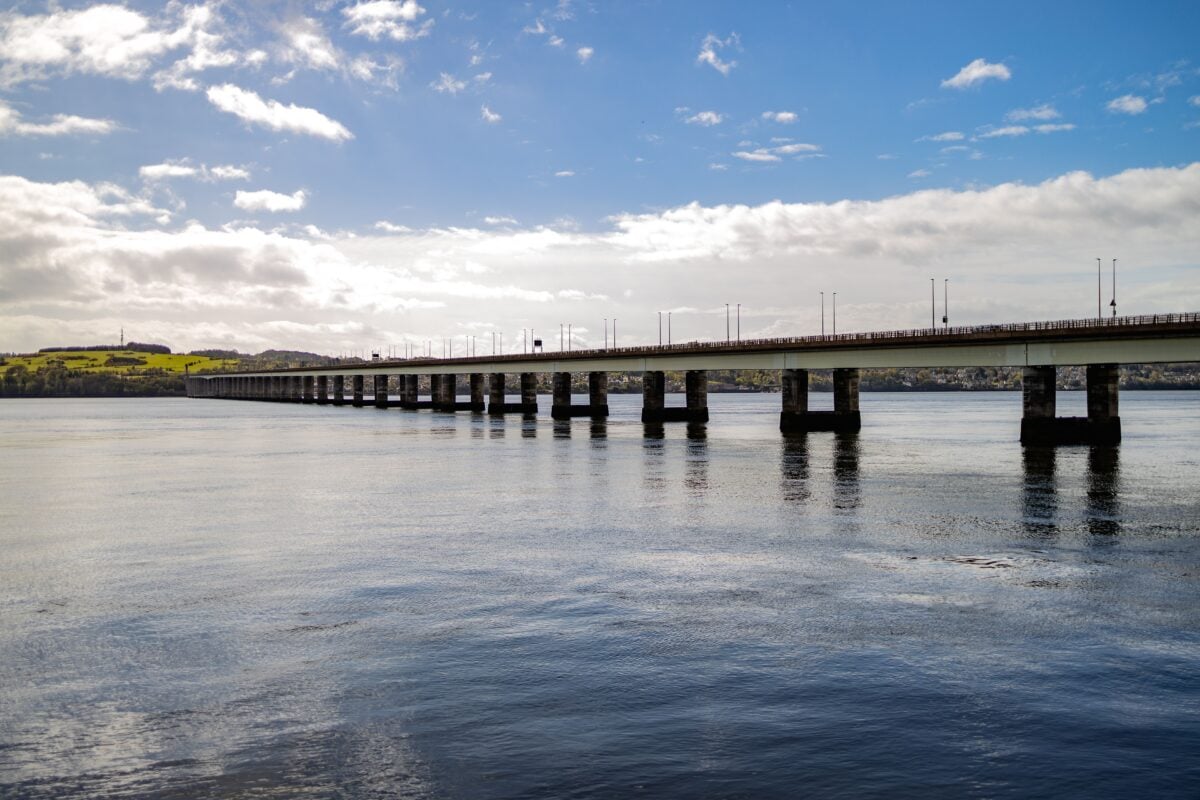
- Tay – taken from the River Tay, the longest river in Scotland and one of the country’s clearest place-name links for a first name
Scottish Boy Names That Start With T
Tam
Meaning: usually treated as a Scottish short form of Thomas, therefore linked with twin.
Pronunciation: TAM.
Why it feels Scottish: Tam is one of the most recognisable Scots short forms. It is brief, traditional and has real everyday Scottish character. If formal names feel a bit stiff, Tam has the opposite problem. It strolls in wearing muddy boots and seems perfectly happy about it.
Famous bearer: Tam O’Shanter, the title character in Robert Burns’s poem, gives the name a strong literary link in Scotland.
Tamnais
Meaning: usually listed as twin.
Pronunciation: most non-Scots readers will manage with TAM-naysh or TAM-nish, though usage varies.
Why it feels Scottish: This is a much rarer traditional form and has a stronger old-name feel than modern-day use. It suits anyone looking for something unusual without leaving Scottish naming altogether.
Tavish
Gaelic link: commonly treated as a Scottish form of Thomas.
Meaning: twin.
Pronunciation: TAV-ish.
Why it feels Scottish: Tavish is one of the best-known Scottish T names outside Scotland. It has enough familiarity to be usable, but still sounds tied to Scottish heritage. Many naming lists present it as a direct Scottish variation of Thomas, which is the safest reading. In baby-name databases and recent shortlist roundups, it tends to land in the recognisable-but-not-everywhere category, which is often the sweet spot.
Famous bearer: there is no single dominant historic Scottish Tavish everyone will know, but the name appears regularly in modern baby-name lists focused on Scottish heritage.
Tavis
Meaning: usually given as a form of Thomas, and therefore linked with twin.
Pronunciation: TAV-iss.
Why it feels Scottish: Tavis is close to Tavish but slightly sleeker in sound. If you like the bones of Tavish but want something that reads more simply in English-speaking countries, this is an easy option.
Tevis
Meaning: usually listed as a form of Thomas.
Pronunciation: TEV-iss.
Why it feels Scottish: Less obviously Scottish at first glance, but it appears repeatedly in Scottish naming collections as another Thomas-related form. It is uncommon enough that you are unlikely to meet three of them in the same nursery queue.
Tearlach
Gaelic spelling: Tearlach.
Meaning: commonly described as a form of Charles.
Pronunciation: often rendered for English speakers as CHAR-lach or TYAR-lach, depending on accent and Gaelic familiarity.
Why it feels Scottish: This is one of the clearest Gaelic choices in the T group. It carries strong Highland energy without sounding invented or newly minted. If you want a name with obvious Gaelic roots, Tearlach is a serious contender.
Related spelling: Tearlag also appears in Scottish naming lists.
Thane
Meaning: usually given as clan chieftain, attendant or a noble title.
Pronunciation: THAYN.
Why it feels Scottish: Thane is tied to old Scottish rank and is widely recognised through Macbeth. It sounds strong and simple, and unlike some historical titles it has made the jump to modern first-name use without too much fuss.
Famous bearer: more a title than a personal-name bearer in Scottish history, but its association with Shakespeare’s Scottish setting keeps it well known.
Todd
Meaning: commonly listed as fox.
Pronunciation: TOD.
Why it feels Scottish: Todd is also known as a surname in Scotland and northern Britain. It is less distinctly Gaelic than names like Tearlach or Tavish, but it has long-standing Scottish use. It also fits the wider British habit of surnames slipping into first-name use and then sticking there.
Tomas
Meaning: twin.
Pronunciation: usually toh-MASS or TOH-mas, depending on family preference.
Why it feels Scottish: Tomas works well if you want a name that is easy internationally but still appears in Scottish naming tradition. Compared with Tavish, it feels simpler and more cross-border.
Tomag or Tòmag
Meaning: naming lists often connect it with twin, though some descriptions are more tentative.
Pronunciation: roughly TOE-mag.
Why it feels Scottish: The accented form Tòmag has a stronger Gaelic appearance. It is unusual and will not be everyone’s cup of tea, but it does have a proper Scottish naming-list presence.
Tormod
Meaning: usually linked with north or northern origin; some lists expand this through Norse-derived interpretations.
Pronunciation: TOR-mod.
Why it feels Scottish: Tormod reflects the old Norse influence found across parts of Scotland, especially in the Highlands and Islands. It is solid, old-fashioned and quite distinctive. Names in this lane tend to feel especially at home if your family roots reach into the western isles or northern coast.
Famous bearer: the name appears in Highland and island history, though modern readers are more likely to know it from clan and regional records than celebrity use.
Torquil
Gaelic form: often connected with Torcaill.
Meaning: usually given as Thor’s cauldron.
Pronunciation: TOR-kwil.
Why it feels Scottish: Torquil is one of those names that sounds ancient because, frankly, it is. The Norse-Scottish crossover is part of its appeal. It is unusual, memorable and deeply rooted in the western seaboard naming world, much like several names associated with the Hebrides and the Scottish islands.
Famous bearer: Torquil MacLeod is one historical example tied to the MacLeod name.
Torin
Meaning: some Scottish name lists connect Torin with chief or watchtower, but meanings vary.
Pronunciation: TOR-in.
Why it feels Scottish: Torin sits in the same family as Toran, Toren and Torrance in many Scottish name collections. If you like the sound more than the exact etymology, this is one to consider carefully, as naming sites do not all agree.
Torrance
Meaning: often linked with watchtower or a craggy hill through related forms such as Torrence and Toran. Some lists also give softer alternative meanings.
Pronunciation: TOR-ens.
Why it feels Scottish: Torrance works as both surname-style first name and place-linked Scottish name. It has a sturdy, familiar sound without being overused. It is also the kind of name that feels modern on paper even when its roots are much older.
Tyree
Meaning: commonly explained as from Tyrie in Scottish naming references.
Pronunciation: ty-REE.
Why it feels Scottish: Tyree has a modern sound, but it still carries a Scottish place-name connection. Some people will also hear the echo of the island of Tiree, though naming references often point to Tyrie. That overlap is fairly typical in Scottish naming, where place and family history like to blur the edges.
Tay
Meaning: a Scottish place-name linked to the River Tay.
Pronunciation: TAY.
Why it feels Scottish: The River Tay is the longest river in Scotland at roughly 117 miles, and that gives the name a clear geographic anchor. Tay feels brisk and modern, though technically it belongs more to the place-name tradition than old Gaelic personal names.
Scottish Girl Names That Start With T
The T section is lighter for girls’ names in Scottish naming lists, but there are still a few names with genuine Scottish connections. If you want to widen the net, it is worth browsing unusual Scottish girl names too, because the more distinctive Gaelic options often sit outside the standard A-to-Z baby lists.
Teasag or Teasagh
Gaelic spelling: often seen as Teasag, with Teasagh also used.
Meaning: usually treated as a Scottish form of Jean, linked to God is gracious.
Pronunciation: commonly given for non-Gaelic speakers as CHESS-ug or JESS-ag, though local pronunciation can vary.
Why it feels Scottish: This is one of the clearest female Scottish T names with a Gaelic link. It has history, softness and proper distinctiveness.
Famous bearer: the name is often discussed in relation to the Scots use of Jessie as an anglicised form.
Tara
Meaning: not exclusively Scottish, but included in some Scottish name lists.
Pronunciation: TAR-a or TAIR-a.
Why it feels Scottish: Tara is one of those names that appears in multiple traditions, so it is a looser Scottish fit than Teasag. If you want a strongly Scottish female T name, this would not be my first pick.
Thora
Meaning: a name of Norse origin related to Thor.
Pronunciation: THOR-a.
Why it feels Scottish: Thora enters Scottish naming through the same Norse influence that shaped names in the islands and coastal regions. It is not uniquely Scottish, but it does sit naturally within Scotland’s wider naming history.
Tyra
Meaning: not specifically Scottish in origin, though found on some Scottish name lists.
Pronunciation: TY-ra.
Why it feels Scottish: This is more of a modern list crossover than a classic Scottish staple. Useful if you want the initial T and a crisp sound, but less useful if Scottish heritage is the main point.
Names To Treat With Caution
When you search for Scottish first names that start with T, you will find long alphabetical lists that mix together given names, surnames, place names and modern inventions. That does not make them unusable, but it does mean they may not all be equally Scottish in the old-fashioned sense.
Examples include Taggart, Templeton, Turner, Tartan, Torree, Torri and some of the many Tor- variations. A few are better understood as surnames. Others may be imported forms that appear on naming websites because they resemble Scottish sounds or connect loosely to a place.
If heritage accuracy matters, focus on names with a clearer trail: Tavish, Tearlach, Teasag, Thane, Tormod, Torquil, Tomas and Tay.
How To Choose Between Gaelic, Scots and Anglicised Forms
There is no single correct way to choose. It depends on what you want the name to do in daily life.
- Choose a Gaelic form like Tearlach or Teasag if heritage and language matter most.
- Choose an anglicised or simplified form like Tavish, Tomas or Tay if you want easier spelling and pronunciation outside Scotland.
- Choose a title or place-derived name like Thane, Torrance or Tyree if you like a Scottish feel without going fully Gaelic.
It also helps to say the name aloud with your surname. Some T names are short and punchy, like Tam and Tay. Others, like Tearlach and Torquil, have more weight and rhythm. If you are also choosing with family heritage in mind, Highland, Lowland and island connections can shift what feels most natural.
Quick List of Scottish First Names That Start With T
For easy scanning, here are the most relevant names from the T cluster.
- Tam
- Tamnais
- Tavish
- Tavis
- Tevis
- Tearlach
- Tearlag
- Teasag
- Teasagh
- Thane
- Thora
- Todd
- Tomas
- Tomag
- Tormod
- Torquil
- Torin
- Torrance
- Tyree
- Tay
Are Scottish T Names Popular?
Some are familiar in baby-name circles, especially Tavish, Thane and Tyree. Others remain niche, such as Teasag, Tormod and Torquil. That split is useful if you are deciding between something recognisable and something far more unusual.
Tavish probably strikes the best balance for many families. It sounds Scottish, has a straightforward meaning through Thomas, and most people can pronounce it after seeing it once. Tearlach is more rooted in Gaelic tradition, but it asks a bit more of people unfamiliar with the language.
For girls, Teasag stands out because there simply are not as many clearly Scottish female T names in common circulation.
FAQ About Scottish First Names That Start With T
What is the most traditional Scottish first name that starts with T?
Tavish, Tearlach, Tormod and Torquil are among the most traditional options. Tavish links to Thomas through Scottish usage, while Tearlach is a Gaelic form associated with Charles.
What Scottish girl names start with T?
The strongest Scottish-linked examples are Teasag or Teasagh. You will also see Thora and Tara on some lists, though they are not as specifically Scottish.
Is Tavish a Scottish name?
Yes. Tavish is widely treated as a Scottish form of Thomas, with the meaning twin.
Is Thane a real Scottish name?
Yes. Thane began as an old Scottish title and has since been used as a first name. It is strongly associated with medieval Scotland and with Macbeth.
What does Torquil mean?
Torquil is usually explained as meaning Thor’s cauldron. It comes into Scottish use through Norse influence.
Are all T names on baby-name lists genuinely Scottish?
No. Some are surnames, place names or modern additions that appear in Scottish collections without having the same depth of traditional use. If accuracy matters, stick with names that have a clearer Gaelic, Scots or Norse-Scottish background.
Final Thoughts
If you are after Scottish first names that start with T, the best names are not necessarily the longest lists. The strongest choices are the ones with a clear trail behind them.
Tavish is the most approachable all-rounder. Tearlach has proper Gaelic character. Thane brings Scottish history straight into the name. Torquil and Tormod give you that old Highland-and-islands feel. And Teasag is the standout if you want a genuinely Scottish female T name.
If you are building out a shortlist, pair this guide with your broader Scottish name search and compare spelling, pronunciation and how much Gaelic heritage you want the name to carry in everyday life. A good Scottish name should feel right on paper, aloud and ten years down the line, not just good in a browser tab at midnight.