
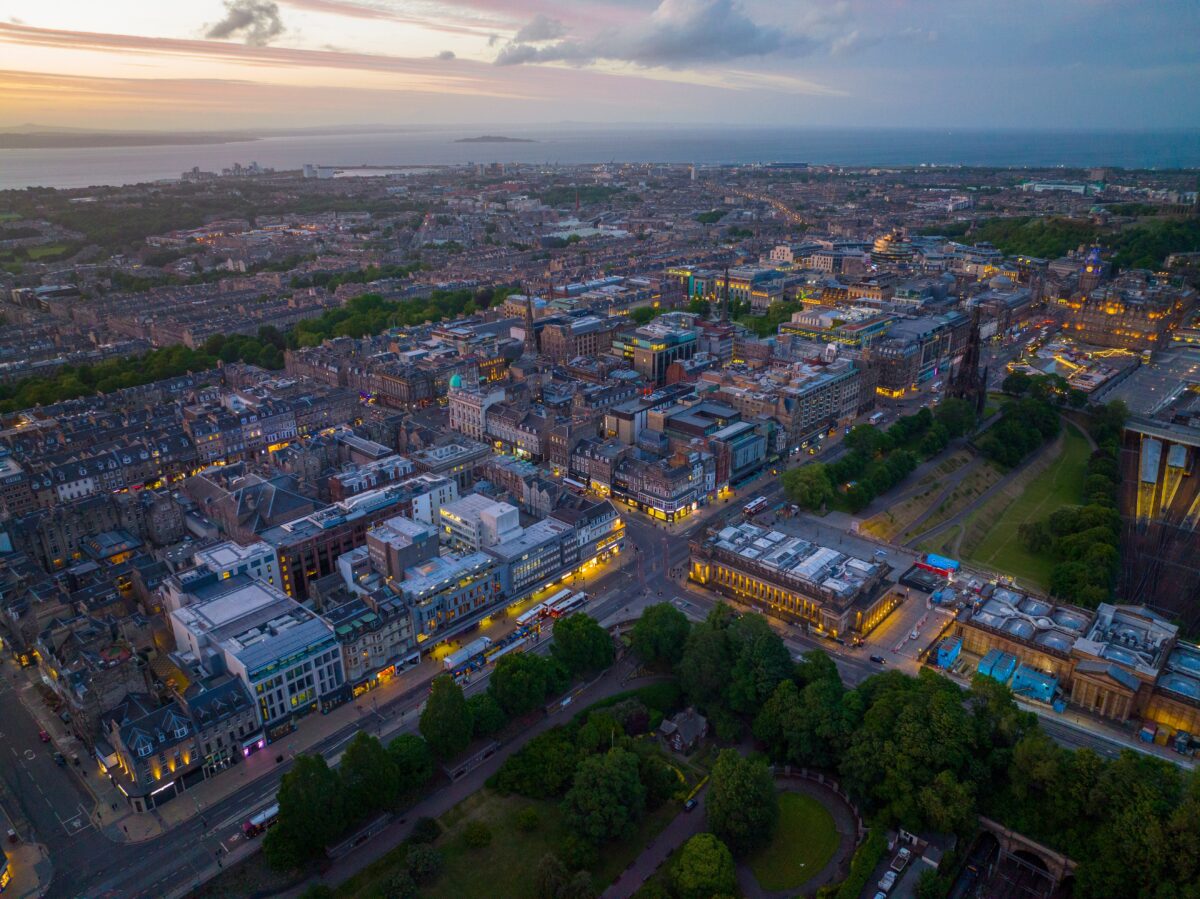
Central Greenock has a major new public building on the map, with construction now finished on a £10 million community care hub at the former Hector McNeil Baths site.
For anyone keeping an eye on how Scottish town centres are changing, this is a useful snapshot of where local investment is going: into accessible services, practical support, and buildings designed around real daily needs. In a council area with roughly 76,000 residents, that kind of spending is not background noise.
The completed facility, known as the Inverclyde Integrated Community Hub, will support adults with learning disabilities and other complex needs. It brings several services together under one roof in central Greenock, replacing the older day service model with a more integrated setup. For people interested in how places evolve beyond the postcard version, it sits in the same wider conversation as culture, coast, and community shaping a town’s identity.
What Has Opened In Greenock
The new building has been completed by Ogilvie Construction for Inverclyde Council. It was designed by Holmes Miller and delivered by hub West Scotland.
The hub sits on the site of the former Hector McNeil Baths in central Greenock, giving a previously known local site a very different second act. Instead of the traditional layout tied to older day services, the new base is intended to support a more modern and person-centred model of care.
Staff, service users, and partners have nicknamed the building “The Hub”, which is refreshingly straightforward. No branding workshop required.
What Services The Inverclyde Integrated Community Hub Will Offer
The building brings together a wide mix of therapeutic and support services in one integrated space. That matters because people using the facility may need several forms of support, and a single location can make services easier to access and coordinate.
Facilities inside the hub include:
- Rebound therapy areas
- Immersive therapy spaces
- Physiotherapy facilities
- Life-skills areas to support cooking and daily living
Those life-skills spaces are especially important because they are focused on independence in everyday tasks, not just clinical support. In practice, that means the building is set up for both therapy and practical day-to-day development.
Bringing those services together can also cut down on the stop-start hassle of attending multiple appointments in different places. For families and carers, less travel between services is not a small perk. It is time, energy, and transport cost saved.
Why The Greenock Care Hub Replaces The Traditional Day Service Model
One of the clearest points behind the project is that it is meant to move beyond the traditional learning disability day service model. The new hub is designed around more flexible, responsive, and person-centred support.
That language can sound a bit policy-heavy, so here is the plain-English version: instead of relying on a more fixed and older-style service setup, the aim is to provide support in a building shaped around individual needs, therapeutic access, and practical independence.
For local families, carers, staff, and service users, that could mean a more tailored environment rather than a one-size-fits-all approach. That is the sort of public infrastructure shift that often matters far more than a flashy ribbon-cutting ever will.
It also fits a broader Scottish pattern of replacing ageing public buildings with facilities that are easier to use and cheaper to run over time. Not glamorous, admittedly. But warmer, more efficient, more usable spaces tend to beat nostalgia when people actually need the service.
Autism-Friendly Design And Outdoor Access Built Into The Hub
The hub was designed with wellbeing in mind, and that shows up in a few specific ways. Many internal spaces have direct access to outdoor areas, supporting therapeutic horticulture and the wider benefits of spending time outside.
That outdoor link is not just decorative landscaping. It is built into the way support can be delivered, giving users access to environments that may help with therapy, routine, and general wellbeing.
The building also includes a dedicated autism-friendly zone with its own separate entrance. That area has been developed to provide a calmer and more accessible setting for people who need it.
Separate entrances and quieter spaces can make a big difference in practice. It is not glamorous architecture-chat stuff. It is functional design that affects how comfortable a building feels for the people using it.
That kind of design detail has become increasingly important across public buildings, especially where sensory overload can turn a basic visit into a draining one. A calmer layout, better circulation, and access to outside space can mean fewer barriers before support even begins.
Who Shaped The Design Of The New Hub
The design was not developed in isolation. Service users, parents, carers, and other stakeholders played a central role in shaping the building, with the aim of making sure it reflected their needs, priorities, and aspirations.
That collaborative approach matters because specialist buildings can look polished on paper while missing the basics in real life. In this case, the input came from the people most likely to understand what actually works day to day.
For a project focused on inclusion and support, that is arguably one of the most important details in the entire build.
It is the same logic that makes community-led places feel more useful than top-down ones. Different sector, same lesson as community cafes, parks, and markets that locals actually use: ask people what they need before pouring the concrete.
What This Means For Greenock And Inverclyde
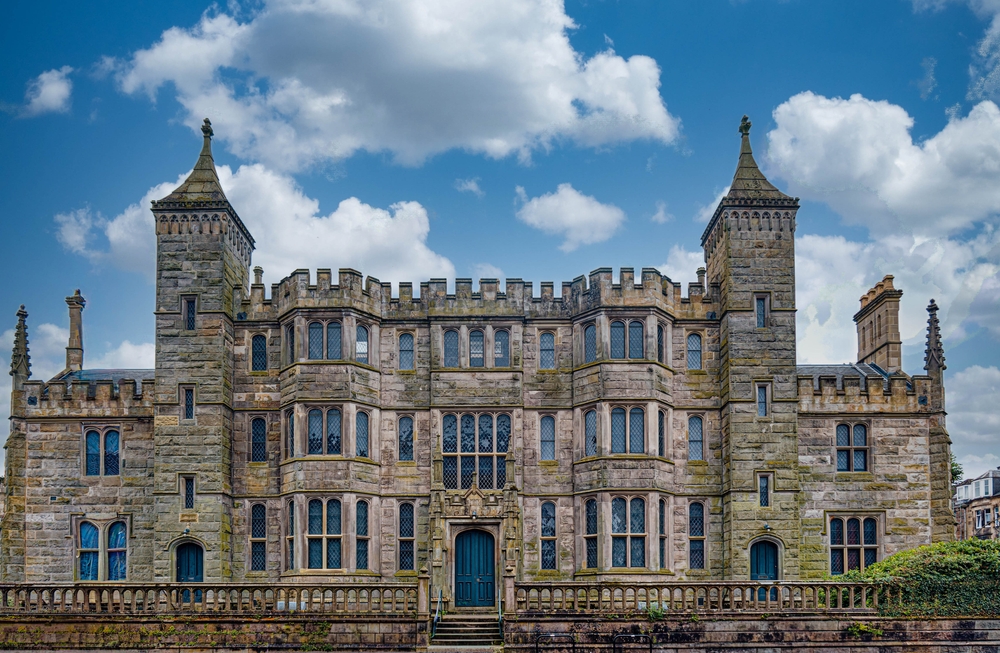
At a local level, the completed hub adds a significant new public facility to central Greenock. It also shows continued investment in care infrastructure within Inverclyde rather than pushing essential services to the margins.
That town-centre location matters. For residents, carers, visiting professionals, and families moving around the area, central sites are usually easier to reach than out-of-town facilities. Better access is not a side issue. It often decides whether a service feels manageable or exhausting.
Greenock Central station is within the town centre grid, and local bus links through central Inverclyde are far easier to work with than a facility stranded on an industrial edge somewhere. For anyone relying on public transport, central access usually means lower travel friction, fewer connection headaches, and less money disappearing into taxis.
More broadly, the building reflects a wider trend in public-sector development across Scotland: replacing older premises and older service models with spaces designed around accessibility, integration, and wellbeing.
Why Even Non-Locals May Find This Story Useful
If you follow regeneration, accessible design, or local public investment while travelling around Scotland, this is the sort of story worth clocking. Not every notable building is a museum, hotel, or castle with an admission fee and a gift shop selling magnets you absolutely do not need.
Projects like this can tell you a lot about a place. They show what a town chooses to build, which communities are being prioritised, and how older sites are being reused. In Greenock’s case, a former baths site is now home to a purpose-built care hub focused on independence, therapy, and inclusion.
For budget-minded travellers who like understanding places beyond the obvious landmarks, that is often more interesting than another polished visitor brochure. It is not unlike noticing the small local stories behind places such as unexpected community properties changing hands in the Scottish Borders. The details can be oddly revealing.
Key Facts About The £10m Greenock Hub
- Location: Central Greenock
- Site: Former Hector McNeil Baths
- Project Value: £10 million
- Facility Name: Inverclyde Integrated Community Hub
- Main Purpose: Support for adults with learning disabilities and other complex needs
- Features: Rebound therapy, immersive therapy, physiotherapy, life-skills spaces, outdoor access, and an autism-friendly zone
- Delivery Team: Ogilvie Construction, Holmes Miller, and hub West Scotland
- Local Context: Serves an Inverclyde population of about 76,000
Greenock’s Former Baths Site Has A Very Different Future Now
With construction complete, the old Hector McNeil Baths site has been reshaped into a facility built around care, accessibility, and daily support. It is a practical investment rather than a flashy one, which, frankly, is often where the real value sits.
The headline number is £10 million. The more important detail is what that money has gone into: integrated therapy space, life-skills support, outdoor access, and a calmer environment for people with different needs.
For Greenock, that means a central site now has a new purpose. For Inverclyde, it means a shift away from older service models and toward a building designed to support people more effectively. No gimmicks, no grandstanding, just a very substantial change in how support can be delivered.