

When a mission depends on secure voice and data staying alive in the middle of nowhere, a weak signal is basically a liability with an attitude. The U.S. Space Force has handed Boeing the next chapter of its MUOS satellite work, a deal worth up to $2 billion to keep military communications humming long after the current fleet starts to age out.
The contract, called the Mobile User Objective System Service Life Extension or MUOS SLE, covers two narrowband satellites. The first delivery is slated for 2031, which is the sort of timeline that makes travel booking look frantic by comparison. For the people who rely on it, though, this is about one thing: making sure the connection does not quit when the terrain, weather, or distance gets difficult.
That matters because satellite communications are not just for the glamorous stuff. They are the digital equivalent of a trusty overland bus, the one that keeps going when the scenic route turns hostile. In military terms, that means dependable links for users on land, at sea, and in the air. In budget-travel terms, it is the difference between a map that loads and a map that leaves you improvising in the rain.
What Boeing is building for MUOS SLE
MUOS SLE is meant to extend the life of a UHF narrowband communications system that supports secure voice and essential data. The satellites are designed for conditions where fancier systems can get flaky, including remote terrain, crowded environments, and bad weather. Not exactly a VIP lounge for signals.
The new award keeps the basic mission simple: provide reliable communications when users cannot afford dropped calls, lost packets, or any of the usual nonsense. Boeing says the satellites will help improve capacity, reduce interference, and strengthen connectivity for the next phase of the network.
Here is the short version for anyone who likes useful context without the aerospace fog:
- Two satellites are on order under the MUOS SLE contract.
- Secure narrowband communications remain the core job.
- First delivery in 2031 gives the program a long runway.
- Up to $2 billion is the contract ceiling.
Why UHF still has a job in 2026
UHF, or Ultra High Frequency, is not the flashiest acronym in space, but it has staying power because it can work where other links struggle. That makes it useful in difficult terrain, dense urban areas, and severe weather, the same places where a cheap travel SIM suddenly develops a personality problem.
For military users, narrowband communications are valuable because they prioritize voice and essential data over speed-hungry extras. In practical terms, that means the system is built to be dependable rather than glamorous. No one is buying MUOS for streaming video. The goal is more like keeping a lifeline open.
That also explains why service-life extension work matters. Satellite programs are expensive to build, slow to replace, and even slower to forgive if continuity is lost. Extending an existing system is often the smarter play than starting over and waiting another decade for the next shiny thing.
| Program element | Details |
|---|---|
| Program name | Mobile User Objective System Service Life Extension (MUOS SLE) |
| Contract value | Up to $2 billion |
| Spacecraft count | Two narrowband communications satellites |
| First delivery | 2031 |
| Main purpose | Secure voice and essential data communications |
Why Boeing got the nod
Boeing is not walking into this from scratch. The company already played a major role in the current MUOS constellation by building and delivering payloads for the system. It also brings long experience in secure UHF communications, which is the sort of background that tends to matter when the whole point is not losing the signal.
The company says the new satellites will be based on its 702MP medium-class spacecraft, a platform it describes as proven and already in production. That is a reassuring phrase in aerospace, where “we are still figuring it out” is rarely what anybody wants to hear.
Boeing says it has delivered multiple 702MP satellites since Q4 2025, giving the program recent manufacturing momentum heading into MUOS SLE. In plain English, that means the production line is not being built from Lego and optimism.
What the 702MP platform means in practice
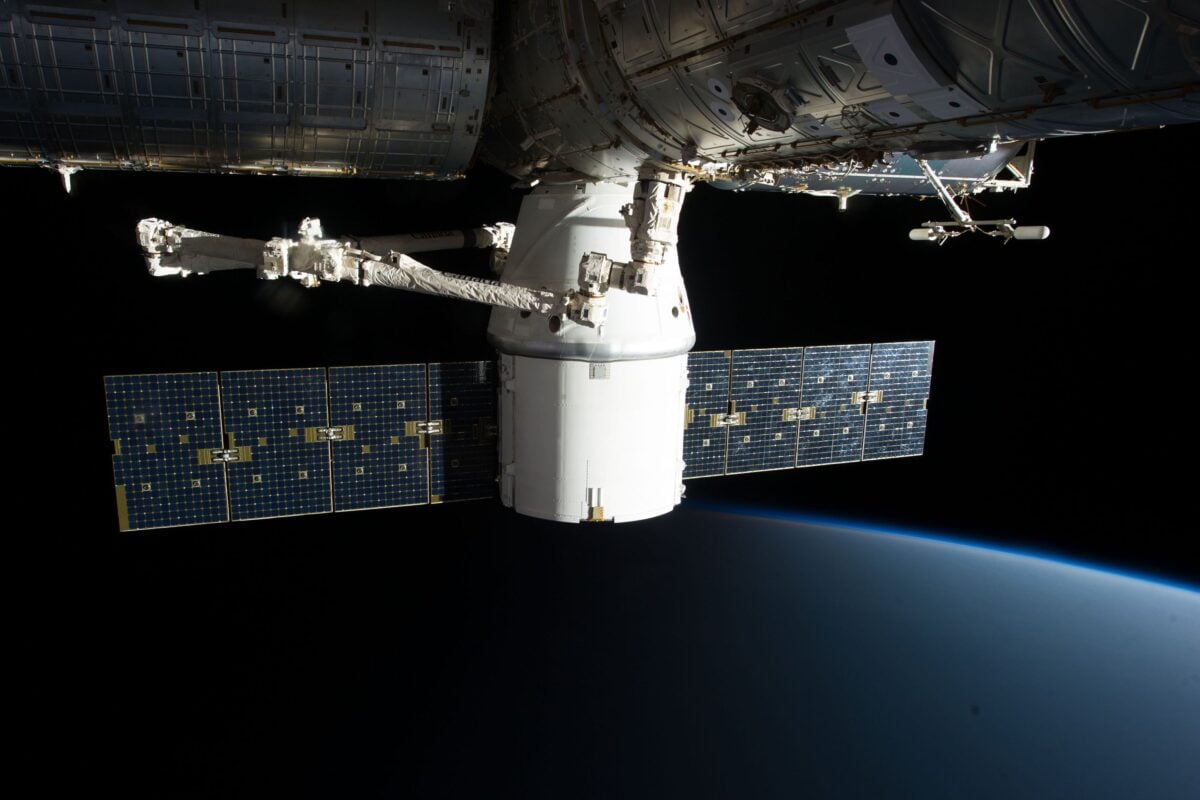
The 702MP is Boeing’s medium-class spacecraft family, and it is the hardware foundation for the next MUOS satellites. The appeal is straightforward: use a platform with existing production experience, aim for reliability, and try to reduce the risk that usually comes with custom spacecraft work.
That kind of approach is common in government space procurement, where delays can become very expensive very quickly. Reusing a proven platform can help keep schedules steadier and avoid reinventing the wheel just because a contract came with a bigger logo.
For readers who like the nuts and bolts, the pitch breaks down like this:
- Proven design: Boeing is building on an existing spacecraft family.
- Recent deliveries: The company says 702MP satellites have been delivered since late 2025.
- Mission fit: The platform is meant for high-performance communications work.
- Less chaos: Existing production usually means fewer surprises, at least in theory.
Why this matters for the Space Force
The U.S. Space Force is buying more than hardware here. MUOS SLE is really about continuity, making sure a critical communications network stays usable deep into the next decade. For military operations, that is not a luxury item. It is the sort of backbone that everything else leans on.
The timing also makes sense. Large satellite systems do not age gracefully, and replacing them takes years. Keeping a dependable network alive while the next generation is built is how you avoid a communications gap that nobody wants to explain later.
Boeing’s leadership framed the award around that requirement, emphasizing the need for secure connectivity in demanding conditions. That is bureaucratic language for a simple idea: if the signal matters, it had better show up.
How this fits Boeing’s broader space business
Boeing says it operates in more than 150 countries across commercial aviation, defense, and space systems. MUOS SLE slots neatly into that defense-and-space portfolio, which has long relied on government contracts, long timelines, and the occasional ability to make complicated things work far from home.
For Boeing, this is another sizable communications program with long-term relevance. For the Space Force, it is a way to keep a specialized system moving without changing the core mission: make sure the message gets through.
That part is refreshingly old-school in a world obsessed with faster phones, bigger bandwidth, and more tabs than anyone needs. The real flex here is not speed. It is resilience.
MUOS SLE timeline and contract details
| Milestone | Status |
|---|---|
| Contract award | Announced June 25, 2026 |
| Program scope | Two MUOS SLE narrowband satellites |
| First satellite delivery | Scheduled for 2031 |
| Operational purpose | Extend secure military communications worldwide |
For anyone tracking aerospace contracts, the headline is simple: Boeing just locked in a large, long-running role in military communications. For everyone else, the useful takeaway is that some of the most important infrastructure on earth is built to be invisible when it works well, which is usually how the best systems behave.
Reliable signal is easy to ignore until it disappears. MUOS SLE is about making sure that does not happen, even when the environment is doing its best impression of a travel nightmare.
