
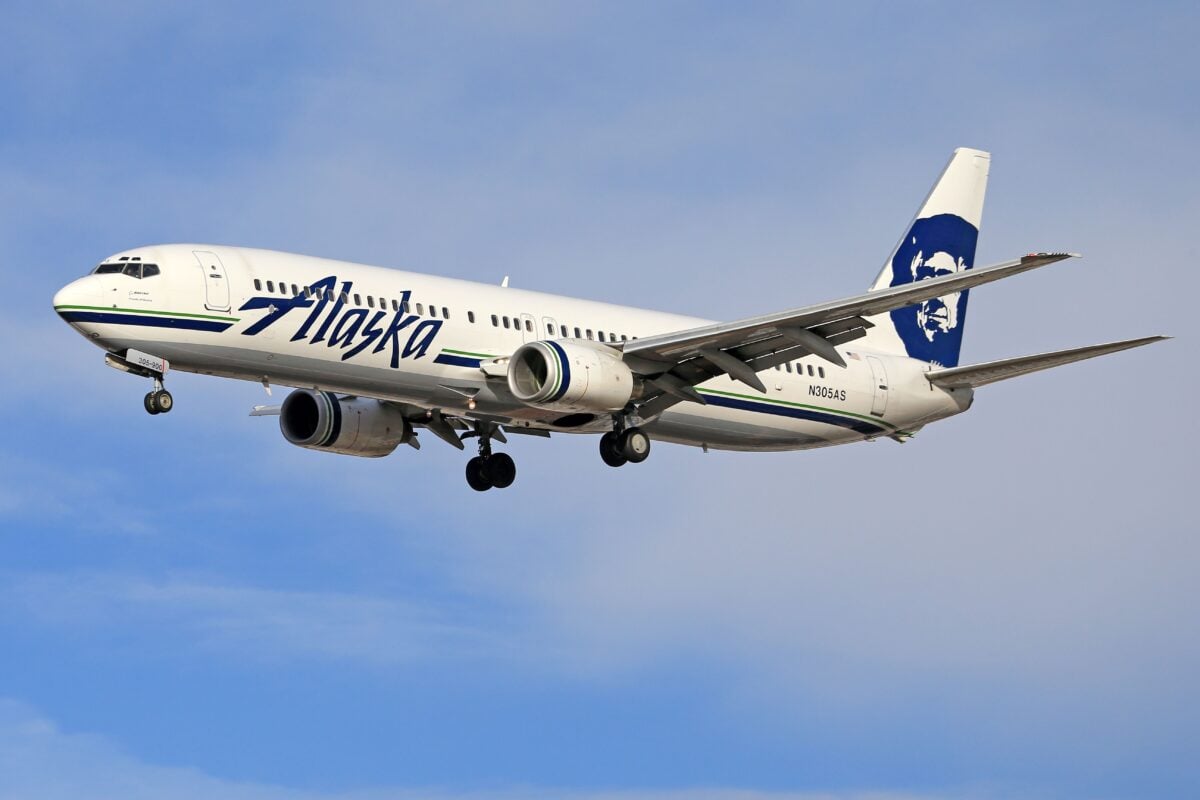
Free Wi-Fi is showing up on more Alaska and Hawaiian flights, and budget flyers should absolutely care
If you have ever forked over cash for inflight Wi-Fi only to get a connection that behaves like it was launched by carrier pigeon, this one is worth a look. Alaska Airlines and Hawaiian Airlines are rolling out free Starlink Wi-Fi, and the useful bit is straightforward: Atmos Rewards members can get online at no extra cost on equipped aircraft.
The trade-off is minimal. You need a free Atmos Rewards account if you are not already in the club, but that takes seconds. For backpackers, students, and anyone trying to make a long journey less miserable, free onboard internet can save money on messaging passes, map downloads, and the kind of last-minute trip admin that always seems to happen at 34,000 feet.
The airlines say about 150 aircraft are now equipped, with service already live across all Hawaiian Airlines aircraft flying to and from Hawai‘i and across Alaska’s regional jet fleet. A broader onboard portal is rolling out in June, with the full experience expected to be standard across flights by mid-July. If you are hunting for a cheap way to stay connected in the air, this is one of those rare airline perks that actually pulls its weight. For the wider background on the system itself, see Starlink travel industry spacex filing 2026.
What is changing onboard
The big upgrade is Starlink, SpaceX’s low-Earth-orbit satellite network. In normal human language, that means less lag, faster speeds, and far fewer moments spent refreshing a page while the plane trundles over the Pacific like an overcaffeinated bus.
Alaska says the service can reach speeds up to 500 Mbps and is being offered free of charge thanks to T-Mobile. The sign-in process is also being simplified, so once the rollout is complete, existing Atmos Rewards members should be able to connect through a cleaner portal without the usual airline-tech scavenger hunt.
For travelers, that matters in a very practical way:
- Less time wrestling with login screens
- Fewer paid inflight add-ons
- Better odds of streaming, browsing, and messaging without rage-quitting
- A less painful way to sort out onward plans before landing
It is still airplane Wi-Fi, so nobody is pretending this replaces ground internet. But it is a lot closer to usable than the bargain-bin versions many of us have tolerated for years.
Where the service is live now
The rollout is uneven, which is airline-speak for “check your plane before you get too excited.” Here is the current picture:
| Airline / fleet | Current status | Traveler takeaway |
|---|---|---|
| Hawaiian Airlines flights to and from Hawai‘i | Complimentary Wi-Fi available on all aircraft in that network | The strongest option right now for island-bound flyers |
| Alaska Airlines regional fleet | Entire Embraer 175 regional fleet equipped | Good news for short hops and connecting flights |
| Alaska mainline fleet | Installation underway on the first 50 aircraft, with more to come | Coverage is expanding, but not every plane has it yet |
| Widebody fleet | Alaska says it is on track to equip the remaining widebody aircraft by 2027 | International and longer-haul flyers will see a slower rollout |
| Hawaiian neighbor island flights | No onboard Wi-Fi | Do not expect a connection on those short island hops |
That last row matters if you are bouncing between Hawaiian islands on a tight budget. Some of those flights are so short you barely have time to unwrap a snack, let alone test a satellite signal.
What budget travelers actually get out of this
Free inflight Wi-Fi sounds like a nice-to-have, but it has real value for travelers who are counting every dollar. Paid messaging passes and full internet packages are easy to skip when the airline gives you access for free, and that leaves more of your budget for the things you actually came for, like food, lodging, and not getting trapped in a tourist-trap airport cafe.
It is especially handy if your travel style looks like this:
- Checking hostels, buses, ferries, or trains before you land
- Messaging friends or family without paying for a separate pass
- Downloading maps, tickets, or confirmations in the air
- Watching delays and transfer changes before they turn into a headache
On expensive routes, free Wi-Fi can also help you avoid burning through mobile data abroad. That is not glamorous, but neither is watching your roaming bill arrive with the force of a small natural disaster.
For travelers headed to Hawai‘i, or connecting through Alaska on a longer itinerary, the practical upside is simple: less friction, fewer surprise charges, and a better shot at staying organized while you are stuck in a metal tube.
How to connect without faffing around
Alaska and Hawaiian say the new portal will let guests sign in or sign up for Atmos Rewards in just a few taps. Guests under 18 can access the service by entering reservation details, while parents or guardians should make sure any device settings are sorted before takeoff.
The quickest version of the process looks like this:
- Check whether your aircraft is Starlink-equipped.
- Join Atmos Rewards if you are not already a member.
- Open the onboard portal when prompted.
- Use the free Wi-Fi on eligible flights once the service is live on that aircraft.
Alaska also says guests ages 16 and older can enroll online, while younger travelers need a parent or legal guardian to handle enrollment. Not exactly thrilling, but still easier than paying for something that should probably be included in the first place.
Why Starlink matters more than older inflight internet
Older onboard Wi-Fi systems often struggle with speed or lag, and sometimes both. Latency is the delay between clicking something and getting a response, which is why some inflight connections feel like they are being powered by a reluctant potato.
Starlink uses a large network of low-Earth-orbit satellites, which helps cut that delay and support heavier use. Alaska says the system is designed to work from takeoff to landing, including in remote areas.
That does not mean every flight will feel like you are back on fiber at home. Aircraft type, route, and demand still matter. But compared with the old pay-to-suffer setup, this is a meaningful upgrade for anyone trying to travel cheaply without going fully off-grid by accident.
Key traveler takeaways
- Atmos Rewards membership is free.
- Free Starlink Wi-Fi is available on eligible Alaska and Hawaiian aircraft.
- Hawaiian flights to and from Hawai‘i currently have the best coverage.
- Alaska’s regional fleet is fully equipped, and mainline rollout is still expanding.
- Neighbor island Hawaiian flights do not have onboard Wi-Fi.
- The full portal experience is expected to be standard across flights by mid-July.
Where this leaves flyers planning trips
For travelers using Alaska or Hawaiian to reach pricey destinations, free inflight Wi-Fi is more than a novelty. It can shave friction off a long journey and make the whole trip feel a little less disconnected, which is saying something when you are literally traveling through the sky in a pressurized tube.
The rollout also reflects a broader airline trend: perks are increasingly tied to loyalty programs rather than sold as separate extras. That is welcome news if you are happy to sign up for a free membership, and mildly irritating if you prefer your airlines to stop charging for every small mercy. The next piece of the puzzle is making sure you are actually on an aircraft that has the system installed, because airline rollouts do love a bit of suspense.
For now, the smart move is simple. Check your flight, join Atmos Rewards if needed, and treat the Wi-Fi as a bonus where available rather than a guarantee on every route. When it works, it should make everything from trip planning to messaging a lot less annoying, which is about as close to luxury as budget travel usually gets.
