
Many visitors arrive in Lunenburg expecting a calm fishing town, then find a compact, colorful waterfront crowded at peak hours and nearly quiet an hour later. This guide explains why people come, what they actually experience, and how to pick the few attractions worth your limited time.
Lunenburg draws visitors for its maritime heritage, preserved waterfront streets, and working harbour. Below you’ll get ranked attractions, realistic time budgets, practical cost ranges, crowd warnings, and nearby alternatives when a site is full.
How these attractions were ranked
Ranking focused on three traveler-first criteria: experience quality per hour, accessibility on foot from the harbor, and how representative the attraction is of Lunenburg’s maritime identity. Practicalities mattered: walking time, likely queues, and cost to visit were weighed more heavily than novelty.
Expectations: a short museum with strong exhibits scored higher than a lengthy attraction with limited payoff. Crowd-prone spots were downgraded unless the experience is uniquely Lunenburg.
Top-ranked attractions with time, cost and crowd advice
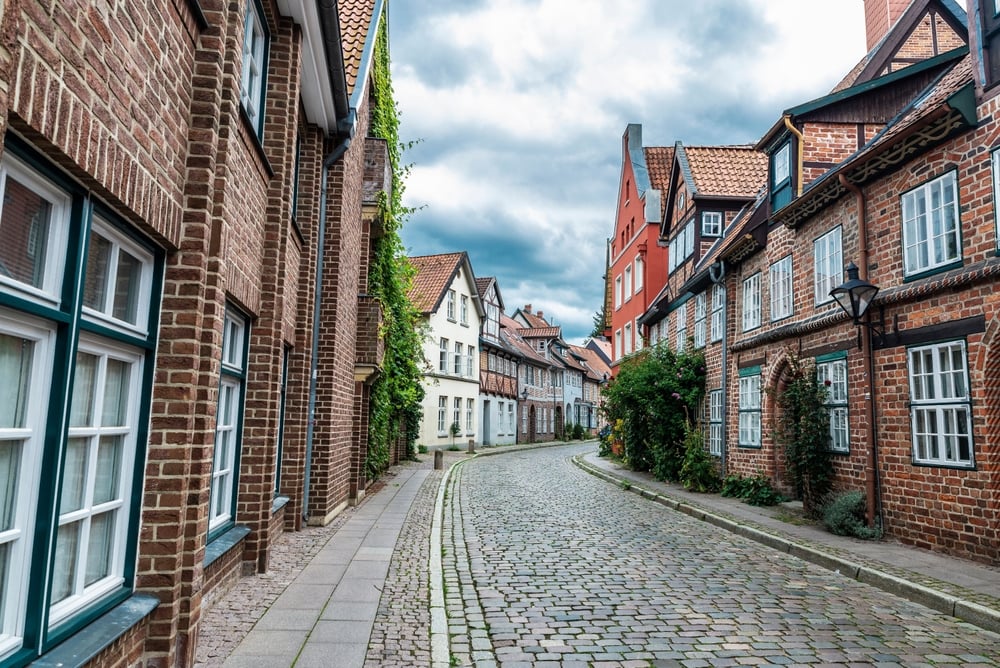
1. The Old Town Waterfront and Historic Streets: What you experience, time and cost — The waterfront is a compact area of painted 19th-century houses, working wharves, and craft shops. Plan 30–90 minutes for a relaxed stroll, longer for cafés or shopping. Cost is free unless you buy souvenirs.
Crowds and worthiness — The waterfront is often busiest mid-morning to late afternoon during high season; photo hotspots near the fish piers fill quickly. This is genuinely worth prioritizing because the waterfront is Lunenburg’s defining scene and most attractions are a short walk from here.
2. Fisheries Museum of the Atlantic: What you experience, time and cost — A practical museum explaining the fishing industry with boats on the water, interactive exhibits, and short films. Allow 60–90 minutes. Expect a paid admission roughly in the range of $10–$20 CAD, verify on the museum’s official site for current rates: Fisheries Museum of the Atlantic.
Crowds and worthiness — Midday can be busiest, especially when cruise ships are in port. Worth prioritizing if you want maritime context and indoor exhibits, especially on rainy days.
3. Bluenose II and Heritage Harbour views: What you experience, time and cost — The replica sailing schooner is a visual icon; scheduled sails, deck tours, or viewing from the waterfront are options. Viewing and photos take 15–30 minutes; a short sailing or deck tour usually takes 1–3 hours and costs more. Check the official Bluenose or port pages before booking.
Crowds and worthiness — If a sailing is offered, it sells out fast on sunny days. Viewing from shore is worthwhile for most visitors; a paid sailing is worth it if you prioritize being on the water.
4. St. John’s Anglican Church and Old Town lookouts: What you experience, time and cost — Short visits, 20–30 minutes, provide architectural context and photo viewpoints over the town and harbor. Free or small donation.
Crowds and worthiness — Often quieter than the waterfront; a good quick stop if you want fewer people in photographs.
5. Local boat tours and whale- and seal-watching departures: What you experience, time and cost — Tours vary, typically 2–4 hours and cost $50–$120 CAD depending on length and provider. These offer a working-harbour perspective and wildlife chances.
Crowds and worthiness — Popular on good-weather days and during summer; choose a shorter harbour tour if pressed for time. Verify operators’ official pages for schedules and safety information.
Secondary attractions and short visits
These add texture without taking much time.
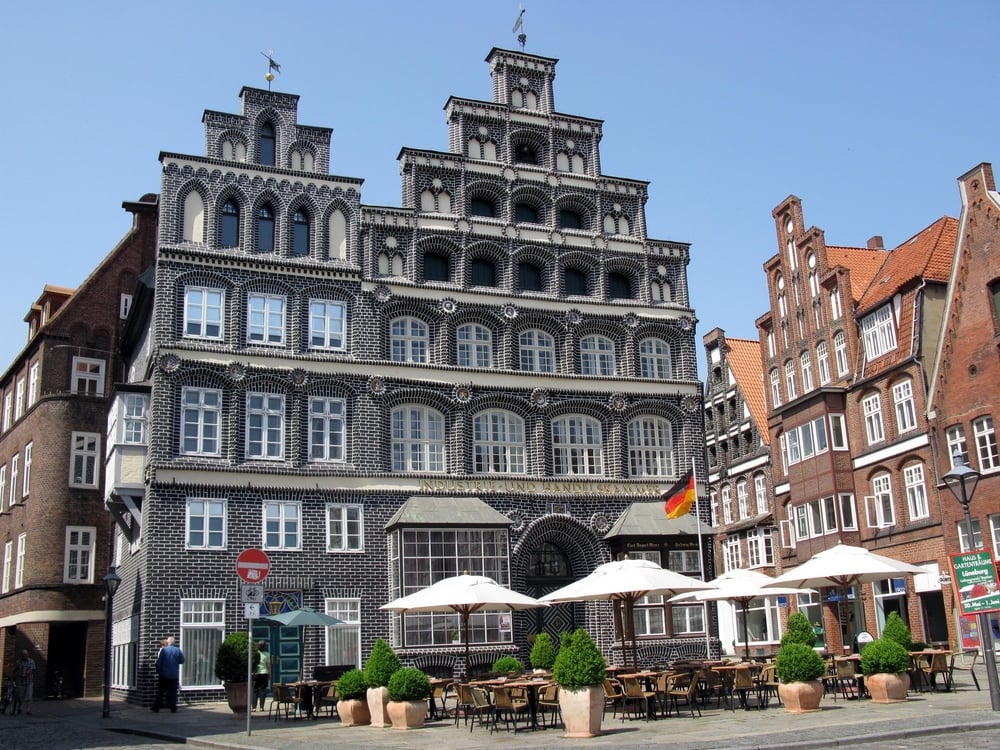
Architectural walking loops: 20–45 minutes, free, quieter early morning or late afternoon. Great when museums are crowded.
Small craft galleries and artisan shops: 15–30 minutes each, costs vary; good if you want local crafts and food items.
Small local museums and heritage houses: 30–60 minutes; often low admission or donation-based. Handy on rainy afternoons.
Harbour-side seafood shacks and bakeries: Quick stops for snacks, expect $6–20 CAD per person for casual bites. Peak lunchtime lines can be long; plan earlier or later to avoid waits.
Where to stay and comparing neighborhoods
Stay within or just uphill from the Old Town if you want to be walking distance to most attractions; these areas keep you close to the waterfront energy and evening dining. Staying across the harbour provides a quieter, more residential feel but requires a short drive or walk to the core.
Disclosure: This section may contain affiliate links. If you book through the map below, we may earn a commission at no extra cost to you.
[rtb_stay22_map city=”Lunenburg” region=”Nova Scotia” country=”Canada” venue=”Lunenburg” campaign=”twoscotsabroad_lunenburg_top-attractions”]Compare live rates and locations on the map to decide between convenience and cost. If arriving by car, check parking availability at your chosen accommodation, since the town core has limited long-term parking.
Alternatives when famous spots are crowded
If the waterfront is packed, walk two blocks uphill to quieter residential streets for similar architecture with fewer people. The town loop past St. Marys Bay provides comparable views without the tourist clusters.
If the Fisheries Museum has a long line, consider a harbour boat tour or a short visit to a community heritage house, which often has fewer visitors and similar maritime artifacts.
If boat tours are full, explore nearby coastal paths and public wharves where you can watch fishing activity for free; these give the same working-harbour feel without a ticketed experience.
Official planning sources: town information and heritage guidance can be checked at the Town of Lunenburg site, and UNESCO info at the official UNESCO listing: UNESCO World Heritage Centre and local details at Town of Lunenburg.
Suggested visit durations and sample schedules
Half day (3 hours): Arrive early, walk the waterfront and historic streets (30–60 minutes), visit the Fisheries Museum (60–90 minutes), grab a quick harbour-side snack (30 minutes). Keep the afternoon free for a relaxed coffee or short drive to a nearby viewpoint.
Full day (6–8 hours): Waterfront and museum, midday boat tour or Bluenose viewing (1–3 hours), lunch in the core, an architectural walking loop and one small museum or gallery in the afternoon. Factor in 15–30 minutes for moving between sites on foot.
Cruise-shore day (4 hours max on land): Prioritize waterfront photos, a single museum visit, and a quick harbor boat for perspective. Time buffers are important because docks and shuttle timing can shift.
Practical Travel Tips
- Plan time buffers, especially on cruise-ship days, because crowds and parking can add 20–40 minutes to short visits.
- Bring weather layers, coastal winds change quickly, even in summer.
- Carry cash and card; small vendors may prefer card or small bills for quick transactions.
- Start early for photos and quieter walking loops; late afternoon light is also good if you prefer softer crowds.
- Book boat tours in advance during July and August to avoid sellouts; check operators’ official pages for up-to-date schedules.
- Reserve museum tickets online where possible to skip queues; confirm current admission on the Fisheries Museum site.
- Allow at least 60–90 minutes for the Fisheries Museum to see exhibits without rushing.
- Use the Stay22 map in the accommodation section to compare live rates and locations before booking.
- Expect shorter opening seasons for some attractions; museums and guided tours sometimes reduce hours in shoulder seasons.
- Avoid peak lunch times at popular cafés to skip long lines; aim for 11:30 or after 2pm.
Frequently Asked Questions
Which attraction in Lunenburg takes the most time?
Boat tours and sailing trips typically take the most time, usually 2–4 hours. Museum visits can take 60–90 minutes depending on interest.
Are outdoor attractions open year-round?
Outdoor streets and viewpoints are accessible year-round, but many guided tours, boat operators and some small museums operate on a seasonal schedule; check official sites before travel.
Can I see most attractions on foot?
Yes, the Old Town core is compact and walkable; most major sites are within 10–20 minutes of each other on foot.
How much time should I budget for the Fisheries Museum?
Budget at least 60–90 minutes to cover main exhibits and any dockside displays; longer if you watch films or take a special program.
Are attractions crowded during cruise ship calls?
Yes, cruise-ship days increase crowds noticeably between late morning and mid-afternoon; either arrive early, choose quieter sites, or use uphill streets for less congestion.
Is parking difficult in the town core?
Parking near the waterfront is limited and can fill during peak season; look for nearby public lots and allow extra time to find a spot.
Final Thoughts
Lunenburg delivers most value for visitors who prioritize the waterfront, a museum visit, and either a short harbor cruise or a quieter architectural walk. Use the time budgets above to assemble a 3- to 8-hour plan that matches your interests and energy.
If the most popular spots are crowded, uphill streets, small heritage houses, and nearby coastal walks offer nearly the same experience with fewer people.
