
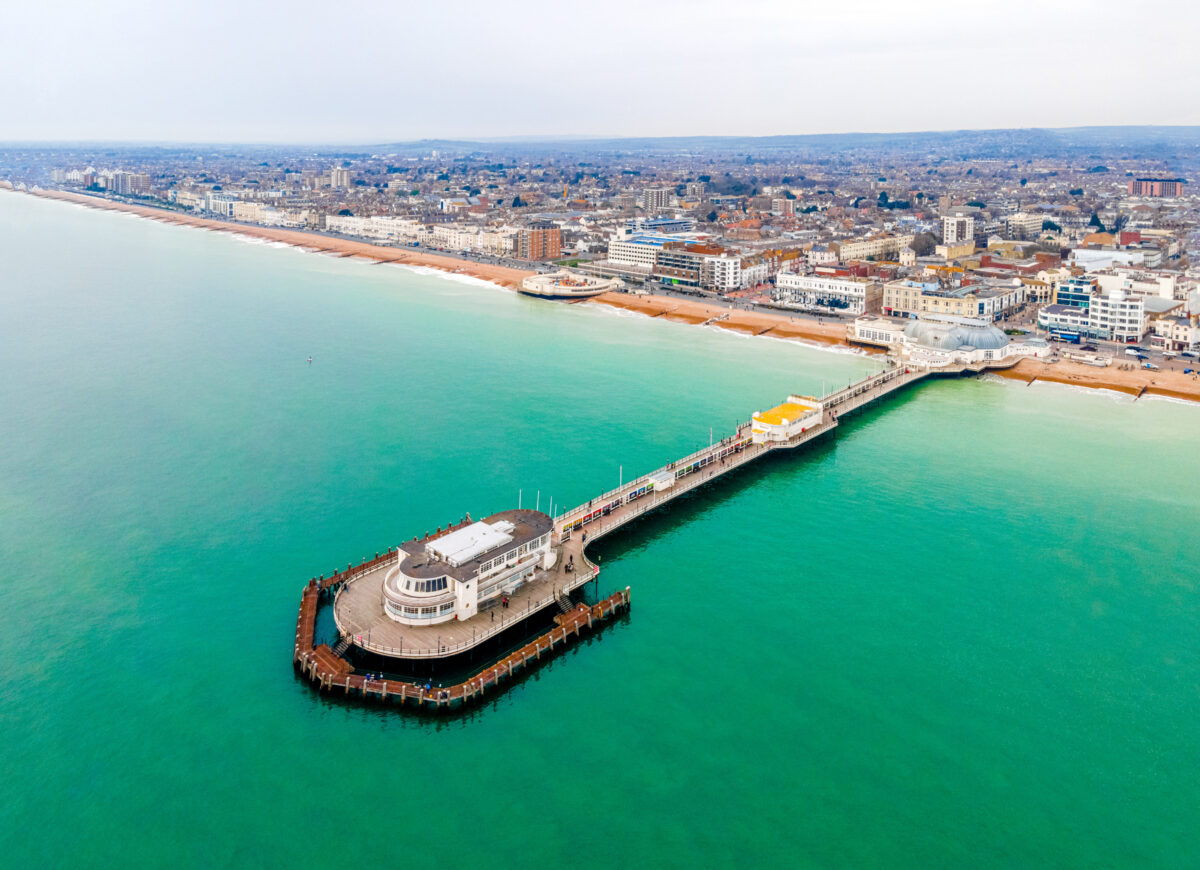
Worthing’s reputation often gets boiled down to a shingle beach and Victorian pier, but that only tells part of the story. Visitors come for the promenade, yes, but they also find a lively local arts scene, weekday markets, and coastal nature that stretch beyond the town centre.
This article explains why people visit Worthing, what actually lives up to expectations, and what commonly surprises first-time travellers. Expect practical notes on transport, costs, timing and the everyday rhythms that shape a trip here.
How Worthing’s reputation developed
Worthing’s public image comes from a layered past: Victorian resort investment, a long promenade culture, and post-war seaside leisure. That legacy created the expectation of a calm, traditional seaside town with piers, guesthouses and a promenade atmosphere.
In recent decades, the town has diversified: independent cafés, galleries, and community arts projects have shifted perceptions. The result is a mix of old-fashioned seaside and an increasingly creative local identity, which is useful to know when planning how much time to allocate for different experiences.
Seafront and coastal life: what visitors experience
The seafront is the most visible reason many people come to Worthing, with a long promenade, shingle beaches and a small pier. Visitors typically spend time walking the promenade, watching fishing boats, and using the beachfront cafés and ice-cream shops; busy summer weekends mean higher crowd levels and longer waits at popular spots.
Expect the beach to be pebbly rather than sandy, and to see local families and dog walkers mixing with day-trippers from nearby cities. Public transport options include regular trains from major stations and local buses; the train from a nearby city typically takes around 30–60 minutes depending on the origin.
For accommodation comparison, use the interactive map below to see live rates and neighbourhood choices. Disclosure: This section may contain affiliate links. If you book through the map below, we may earn a commission at no extra cost to you.
[rtb_stay22_map city=”Worthing” region=”England” country=”United Kingdom” venue=”Worthing” campaign=”twoscotsabroad_worthing_what-is-it-known-for-what-is-it-famous-for”]Crowds and timing
Summer bank holidays and school holidays bring the highest crowds; weekdays in spring or autumn feel quieter and are better for exploring local businesses. If avoiding crowds is a priority, plan morning beach walks or late-afternoon promenades.
Arts, events and the creative community
Worthing has an active arts scene that many visitors find more substantial than first impressions suggest. There are small galleries, community theatre programmes and recurring cultural events that bring in regional audiences; these explain why some travellers come specifically for the arts rather than the beach.
Expect local exhibitions to appear in modest venues rather than large museums, and to find workshops, pop-up shows and music nights that showcase local talent. For planning, check official listings from the town council and venue websites before you arrive.
Practical expectations
Gallery visits and evening shows are usually affordable, but some events require advance booking; reservation requirements are common for popular weekend performances. If a particular exhibition matters to your trip, verify dates in advance with the venue’s official site.
Food, markets and where people eat
Worthing’s food reputation is practical: a mix of seafood offers, café culture, and market stalls selling local produce. Visitors should expect fish-and-chip shops along the seafront, independent cafés in the town centre, and a regular market where traders sell fresh produce and street food.
Typical meal costs vary with venue type: budget options can be under £8–£12 for a casual plate, while mid-range dinners commonly fall in the £15–£30 range. Markets and cafés are useful for lower-cost meals, and local bakeries are a dependable choice for breakfast or sandwiches.
Markets and food events have variable schedules; check official market pages before planning a market-focused day.

History and nearby natural highlights
Worthing’s built heritage includes Victorian promenades and period buildings in the town centre, which explain its seaside-resort origins. Historical interest for most visitors is approachable rather than academic, with plaques, local guided walks and architecture that reveal the town’s development.
Nature beyond the seafront is significant: chalk cliffs, coastal downland and nearby nature reserves offer walking and birdwatching opportunities. Travellers who plan short hikes should allow at least a half day to reach and explore nearby natural areas, and bring appropriate footwear; paths can be steep in places.
Logistics for natural sites
Public transport serves some trailheads but a short taxi or bus transfer is often more convenient. Check tide times if you plan to walk coastal sections, and note that lifeguard coverage is seasonal, so beach swimming safety varies by time of year.
What people get wrong about Worthing
A common misconception is that Worthing is only a sleepy seaside resort with little else to do. In reality, the town supports year-round community events, independent shops and an arts network, so it rewards visitors who look beyond the promenade.
Another mistake is over-expecting sandy beaches; many beaches here are pebbly, which influences footwear and family plans. Finally, assuming transport options are limited would be incorrect: regular regional trains and local buses connect Worthing with surrounding towns, but check timetables for evening and Sunday services.
What first-time visitors notice most
First-time visitors often mention three immediate impressions: the long promenade and beach atmosphere, an unexpectedly strong local arts presence, and a friendly scale that feels more town-like than tourist-heavy. The town centre has pockets of lively cafe culture that contrast with quieter residential streets.
Practical surprises include the pebbly shore, modest parking in busy periods, and how quickly small galleries or weekend markets can change a visitor’s sense of what Worthing offers. These observations help set realistic expectations for a short stay.
Practical Travel Tips
- Use the train for a stress-free arrival; check National Rail for schedules and expect journeys from regional cities to take about 30–60 minutes.
- Pack appropriate footwear for pebbly beaches and some uneven coastal paths; comfortable walking shoes are more useful than flip-flops outside summer.
- Budget meals: plan on £8–£12 for casual lunches and £15–£30 for sit-down dinners at mid-range restaurants.
- Check local event listings and gallery websites in advance, many exhibitions and shows have reservation requirements for weekends.
- If beach swimming is on the plan, verify seasonal lifeguard times and local beach safety information before entering the water.
- For quieter visits, aim for weekday mornings in spring or autumn to avoid high summer crowds.
- Bring a reusable cup or water bottle; cafés are plentiful but single-use waste can add up during busy periods.
- When using a car, plan for limited central parking on busy days and consider local buses for short hops within town.
Frequently Asked Questions
What is Worthing most famous for?
Worthing is best known for its long promenade and seaside character, supported by a Victorian heritage and a town-scale arts community that attracts both day-trippers and regional visitors.
Does Worthing live up to its reputation?
Yes in part: the promenade and beach deliver what most visitors expect, and the growing arts and market scenes add depth; travellers seeking sandy shores or big-city nightlife may need to adjust expectations.
Are Worthing’s beaches sandy or pebbly?
Many of Worthing’s beaches are pebbly rather than sandy; this affects comfort for sunbathing and which footwear to bring.
Is Worthing good for a day trip or longer stay?
Worthing works well as a day trip for the seafront and a market visit; a longer stay lets visitors explore nearby natural sites, attend cultural events, and sample the local food scene.
How much should I budget for food in Worthing?
Expect casual meals around £8–£12, with mid-range dinners around £15–£30; markets and cafés offer lower-cost options.
What surprises first-time visitors to Worthing?
First-time visitors often note an active arts scene, the town’s modest scale compared with larger seaside resorts, and the pebbly shore, which can be unexpected if visitors assume soft sand.
Final Thoughts
Worthing’s reputation rests on its seafront identity, practical food and market culture, and an emergent arts scene; those elements generally match visitor experience when expectations are set realistically. Plan around transport times, crowd patterns, and the pebbly shore to get the most from a short stay.
For practical planning, check official venue and transport pages before you go, and use the accommodation map earlier in this article to compare options quickly.
