
“`html
Visitors come to Douglas mostly for a compact mix of seaside promenades, accessible cultural sites, and straightforward transport links that make the town a practical base for exploring the Isle of Man. Douglas stands out from smaller villages because it combines a full-service harbour, multiple heritage railways, and concentrated museums within easy walking distance, which makes short stays efficient.
This guide tells readers exactly how much time to spend in Douglas based on travel style: a tight 1-day walk to hit highlights, a balanced 2-day plan that adds a short excursion, and a relaxed 4-day itinerary that allows slow mornings, neighbourhood cafés, and at least one full day trip around the island. Expect clear costs, transport options, and crowd-saving advice so travelers can pick the right length for their trip. If you’re still deciding, check out our detailed breakdown on how many days in Douglas Isle of Man to match your schedule and interests.
Choosing How Long to Stay in Douglas
Decide based on three simple priorities: activity level, interest in island travel, and time for relaxed discovery. A day-tripper can cover central Douglas on foot, a two-day visitor balances town and a short excursion, and four days lets visitors use Douglas as a base for the whole island.
Key practical factors: transport links (regular buses, heritage railways, and ferries during season), weather (coastal winds can shorten outdoor plans), and events like the TT races which drastically increase crowds and prices. If you want museums, boat trips, and a day trip around the island, plan for two to four days. Currently (June 2026), Douglas is sitting at 84°F with overcast clouds and 65% humidity—typical June weather that’s pleasant for walking but worth packing a light waterproof layer just in case.
Douglas works well for short seaside exploration and as a practical base
Traveller priorities that affect length
If the goal is photography or coastal walks, allow extra time for slow light and transport delays. If museums and local food are the draw, two days hit the main sites without rushing. Budget travelers should factor in transport costs when extending the stay, tickets for heritage railways add up if taken multiple times.
Transport connections and day-trip potential
Douglas is the main transport hub, with buses to most towns, seasonal ferries, and heritage railways offering scenic journeys. This makes one-day mainland arrivals practical, and four-day stays useful for combining multiple day trips without changing base.
1-Day Plan: Focused Walk and Local Highlights
This is a tight, walk-first day designed for travelers with limited time arriving early and leaving late.
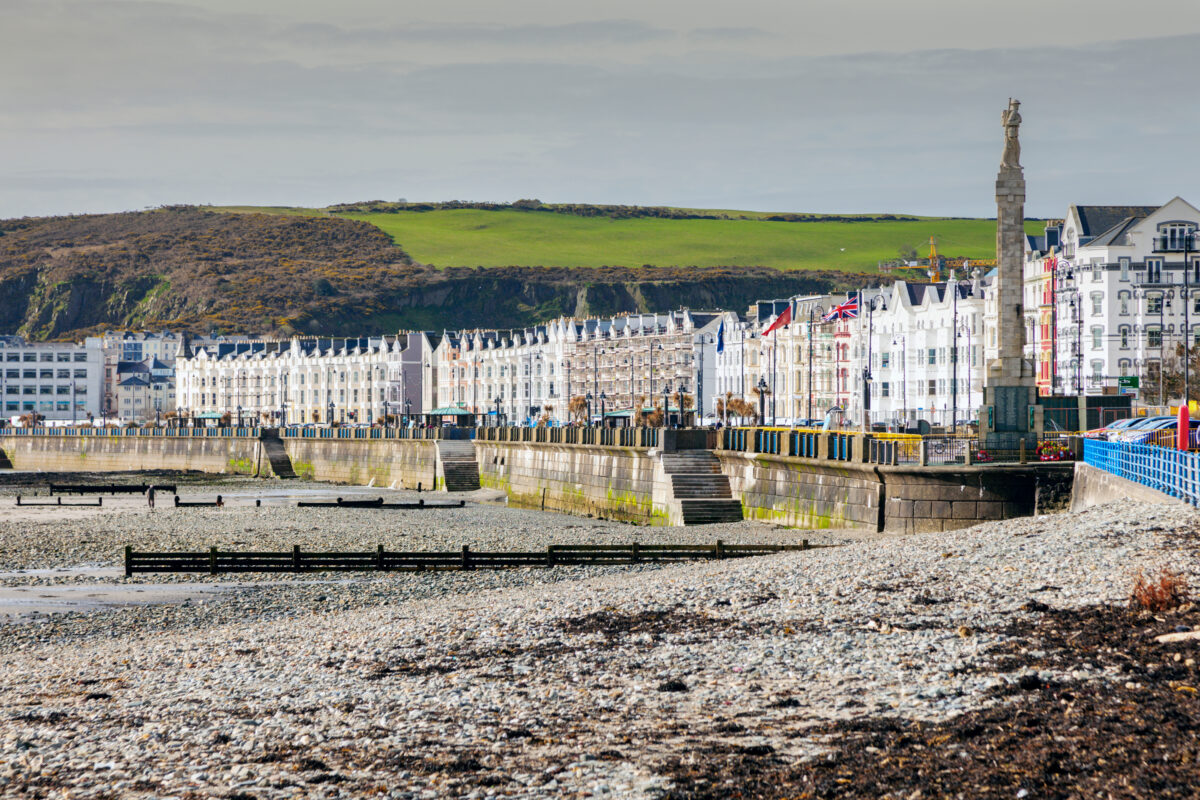
Start with a morning walk along the promenade to the war memorial and harbour, then visit a central museum or gallery (allow 1.5 to 2 hours). Midday, eat at a casual café or fish-and-chip shop near the strand. Spend the afternoon taking the Manx Electric Railway for a short out-and-back ride, or explore the Victorian streets behind the seafront. End with a pub dinner and a final stroll by the sea.
Time required: 8 to 10 hours. Cost range: low to moderate, expect moderate public transport fares and museum admissions if chosen. Consider prioritizing one paid attraction to keep costs down.
Tradeoffs and must-skip items
A one-day visitor should skip a full island loop and reserve heritage railway rides for a two-day or longer visit. If weather is poor, swap the coastal walk for more museums and cafés.
2-Day Plan: Deeper Local Exploration and a Short Excursion
Day one follows the 1-day plan at a slower pace, adding time for a museum and a longer tram or electric railway ride to the outskirts. Day two is for a short island excursion: a half-day coastal hike, a harbour-focused boat trip, or a loop on a heritage railway plus a village stop.
Suggested pacing: keep mornings for moving and afternoons for relaxed museum visits or cafés. Costs: moderate; budget about a full day’s transport fares plus one or two entry fees. Purchase transport day tickets if available to save money on multiple trips.
Avoid overscheduling. Two days are best used to mix one active excursion with ample downtime so visitors can enjoy pubs and local bakeries without rushing.
Short excursion ideas
Options include a half-day steam railway ride, a short ferry harbour cruise (seasonal), or a guided coastal walk. Each requires checking operator timetables; link with the main transport provider pages for the latest schedules.
4-Day Plan: Slow Travel, Neighbourhoods, and Nearby Day Trips
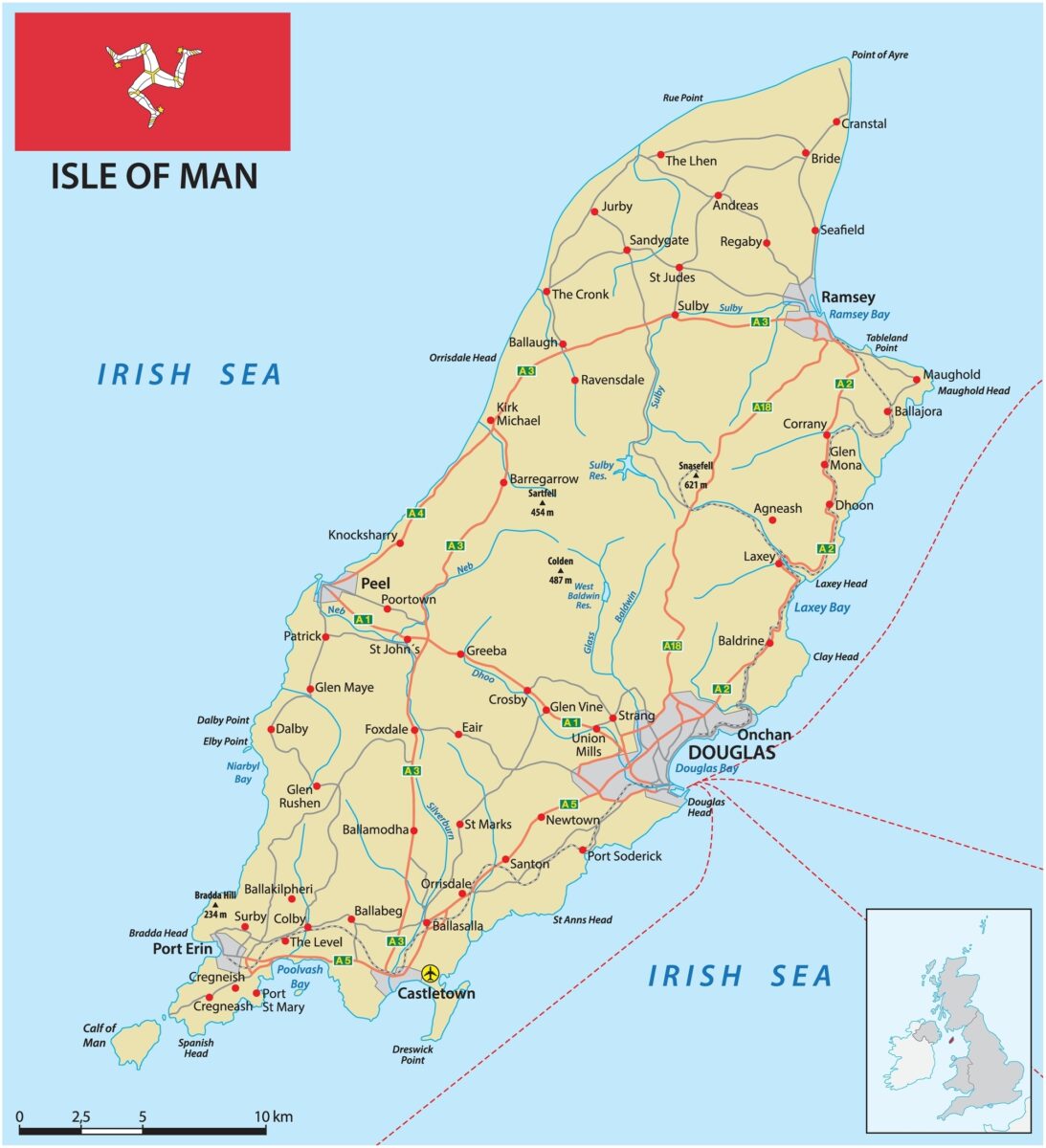
Four days allows a full island loop, relaxed mornings, and time to explore neighbourhoods and food. Typical plan: two full days of day trips (one clockwise, one counterclockwise by bus or car), one slower day in Douglas visiting smaller museums and shops, and one flexible day for weather-dependent activities like coastal walks or boat trips.
Why choose four days: it reduces rushed transfers, gives time to recover from travel, and makes public transport timetables less stressful.
Costs: higher than 1-2 days due to extra transport and likely more paid activities; consider a multi-day transport pass if available.
For island-wide travel planning and scenic routes, consult the official transport pages and the Manx National Heritage site for attractions and trail information.
How to stretch days for relaxed discovery
Schedule late starts, use afternoons for cafés and pubs, and save any paid attractions for days with good weather. Mix walking neighborhoods with short rail or bus rides to keep days varied without fatigue.
How to Tailor These Itineraries to Your Interests
Adjust by transport preference: walkers substitute short bus rides for long hikes, while those with a car can reach remote bays and steam railway halts faster. Food-focused visitors should build in two long meals in the Strand and the harbour area. Budget travelers should prioritize free outdoor attractions and one paid attraction during the stay.
If mobility is limited, concentrate on the central promenade and museum quarter, both of which are relatively level and close together. If chasing heritage rail experiences, allow extra time for single-track schedules and return connections.
How to Get There and Getting Around
Douglas is linked by the Isle of Man Airport and seasonal ferry services. The island’s bus network centers on Douglas, and the heritage Manx Electric Railway and Isle of Man Steam Railway offer scenic travel along set routes. Check the official transport pages before travel for seasonal timetables and fares.
Practical tip: allow extra time when connecting between heritage railway departures and bus services, they do not always sync. For official travel planning and timetables, consult the island’s transport information and the Isle of Man Steam Railway site for rail specifics: visitisleofman.com
Where to Stay and Nightly Budget
Douglas has options from hostels and guesthouses to midrange hotels along the promenade and smaller B&Bs inland. Budget travelers can expect basic rooms or dorm beds; midrange options offer central locations and easier access to transport hubs. Nightly prices vary with season and events.
Compare live rates on an accommodation map before booking. Disclosure: This section may contain affiliate links. If you book through the map below, we may earn a commission at no extra cost to you.
[rtb_stay22_map city=”Douglas” region=”Douglas” country=”Isle of Man” venue=”Douglas” campaign=”twoscotsabroad_douglas_itinerary”]Budget, Costs, and Money-Saving Tips
Expect a range: a tight budget day in Douglas could be under £40-£60 for food, local buses, and one paid attraction; a comfortable two-day trip might run £120-£220 including a short excursion. Heritage railway rides, guided tours, and boat trips increase costs.
Money-saving ideas: use day or multi-trip transport tickets when available, eat at cafés or local bakeries rather than sea-front restaurants for every meal, and pick one paid attraction rather than multiple small-entry sites. Check attraction combo tickets or seasonal passes to save on repeated entries.
Practical Travel Tips
Pack for changeable weather, including waterproof layers and sturdy shoes for coastal paths. Buy tickets for scheduled heritage railway services in advance during peak season to avoid sold-out departures. If visiting during the TT race period, book accommodation and transport well ahead and expect higher prices. For more on the best time to visit Douglas Isle of Man, consider shoulder seasons for calmer crowds and better rates.
For official safety and travel advisories consult the Isle of Man government travel resources and local transport operator pages.
- Check transport timetables the day before travel, heritage railways and ferries run seasonal schedules.
- Buy a day or multi-trip bus pass if you plan multiple bus or tram trips; it usually saves money over single fares.
- Aim for early morning walks for quieter promenades and better photos.
- Reserve seats or tickets for heritage railway journeys during peak weeks and events.
- Keep cash for small vendors, while most places accept cards look for smaller food stalls that prefer cash.
- If on a tight budget, prioritize free outdoor attractions and reserve one paid museum or rail ride.
Frequently Asked Questions
Is one day enough to see Douglas?
One day is enough to see the main Douglas promenade, a central museum or gallery, and a short heritage railway or tram ride, but it is a packed schedule and requires prioritising what matters most.
What is a good length for a relaxed Douglas visit?
Two to four days provides a relaxed pace: two days will cover town highlights plus one short excursion, four days allows multiple island day trips and relaxed mornings.
Can I use Douglas as a base for island day trips?
Yes, Douglas is the transport hub, with buses and heritage railways connecting to other towns, making it a practical base for day trips around the island.
Are heritage railway rides worth the cost?
They are worthwhile for scenic value and heritage interest, but check timetables and factor the time and cost into your itinerary; riders on a tight schedule might pick one key route.
When is Douglas most crowded?
Peak summer and event weeks, notably the TT races, draw the biggest crowds and higher prices; shoulder seasons are calmer and often better for walking and museums.
Final Thoughts
Douglas works well for short seaside exploration and as a practical base
