
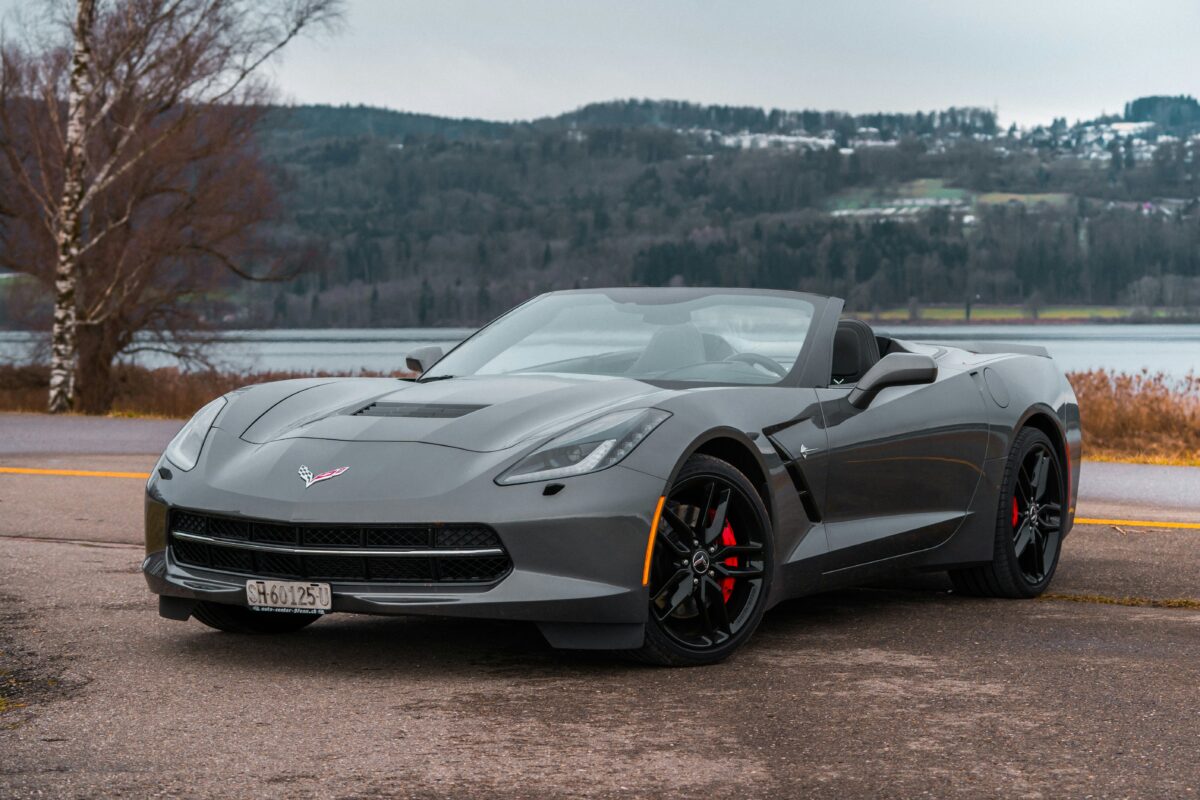

Scenic driving asks something different from a Corvette than a track day does. The best Corvette upgrades for scenic drives center on composure, fatigue reduction, and predictability rather than raw power gains or lap times.
For most owners, the highest-return categories are wheels and tires, suspension upgrades, brake upgrades, and cabin comfort. These changes reward the kind of driving that fills a weekend route: long sweeping corners, elevation changes, highway stretches, and the occasional tight mountain pass.
C5 Corvette, C6 Corvette, C7 Corvette, and C8 Corvette owners all share a similar priority list here. The platform changes across generations, but the principle stays the same: handling upgrades and ride quality improvements return more enjoyment per dollar on a scenic road than horsepower alone.
Aero work follows a similar logic. Most pieces make sense when they support high-speed stability or match an owner’s vision for the car. So anyone looking to find a C7 Corvette spoiler that fits should focus on whether the piece serves stability at touring speeds before anything else.
Best Corvette Upgrades for Scenic Drives
The hardware touching the road determines more about how a Corvette feels over six hours of driving than almost any other variable. Getting these three categories right means arriving at the end of a route energized rather than worn down.
Choose Tires for Mixed Road Conditions
Max-performance summer compounds are built for grip at operating temperature on clean, dry asphalt. Scenic routes rarely offer that consistently, and the tradeoff shows up quickly in wet corners, road noise, and tire stiffness on rough pavement.
A touring-oriented performance tire in the same size gives up a small amount of dry grip but returns noticeably better wet grip, lower noise, and more compliant sidewall behavior over cracked or uneven surfaces. For wheels and tires decisions, sidewall height also matters. Dropping wheel size to increase sidewall gives the tire more room to absorb road texture, which compounds over a long day of driving.
Tune Suspension for Control Without Harshness
Suspension upgrades on a Grand Sport or Z06 often start with shocks and coilovers, but sway bars and bushings play an equally important role in how the car responds to mid-corner bumps and elevation changes.
Stiffer sway bars reduce body roll without stiffening the ride across bumps, which makes them well-suited to handling upgrades aimed at touring confidence. Alignment settings, particularly rear toe, affect straight-line stability on long highway sections more than most owners expect.
Upgrade Brakes for Confidence, Not Track Abuse
For scenic driving, brake upgrades rarely need to be aggressive. Better brake fluid and stainless-steel lines improve pedal feel and reduce fade on long descents, which covers most real-world demands.
Upgraded pads and rotors make sense when the route includes extended downhill sections or repeated hard stops. These are also road trip hacks worth knowing before heading into mountain terrain, where stock brake fluid can absorb heat faster than expected.
Power Upgrades That Still Suit Touring Use
Bolt-on upgrades generate plenty of enthusiasm in Corvette communities, but the scenic driving context shifts the calculus. The question isn’t how much power a modification adds on a dyno; it’s whether that modification makes a long route more enjoyable or more demanding.
When a Cold Air Intake Is Worth It
A cold air intake on a naturally aspirated LT1 produces modest horsepower gains in practice. According to horsepower gains data from AutoZone’s technical resources, most bolt-on intakes add somewhere in the range of five to fifteen horsepower depending on the engine and installation quality, which is meaningful, but not transformative.
Where the intake earns its place on a touring build is throttle response and induction sound. On an LT1-equipped C7 Corvette, the improved airflow can sharpen part-throttle response at the speeds scenic routes actually use, and the intake note at moderate revs adds character without becoming intrusive.
LT4-powered Z06 owners should set different expectations entirely. The supercharged LT4 responds more noticeably to intake work, but supporting modifications often follow, which adds complexity better suited to track-focused builds.
Exhaust Changes That Improve Character
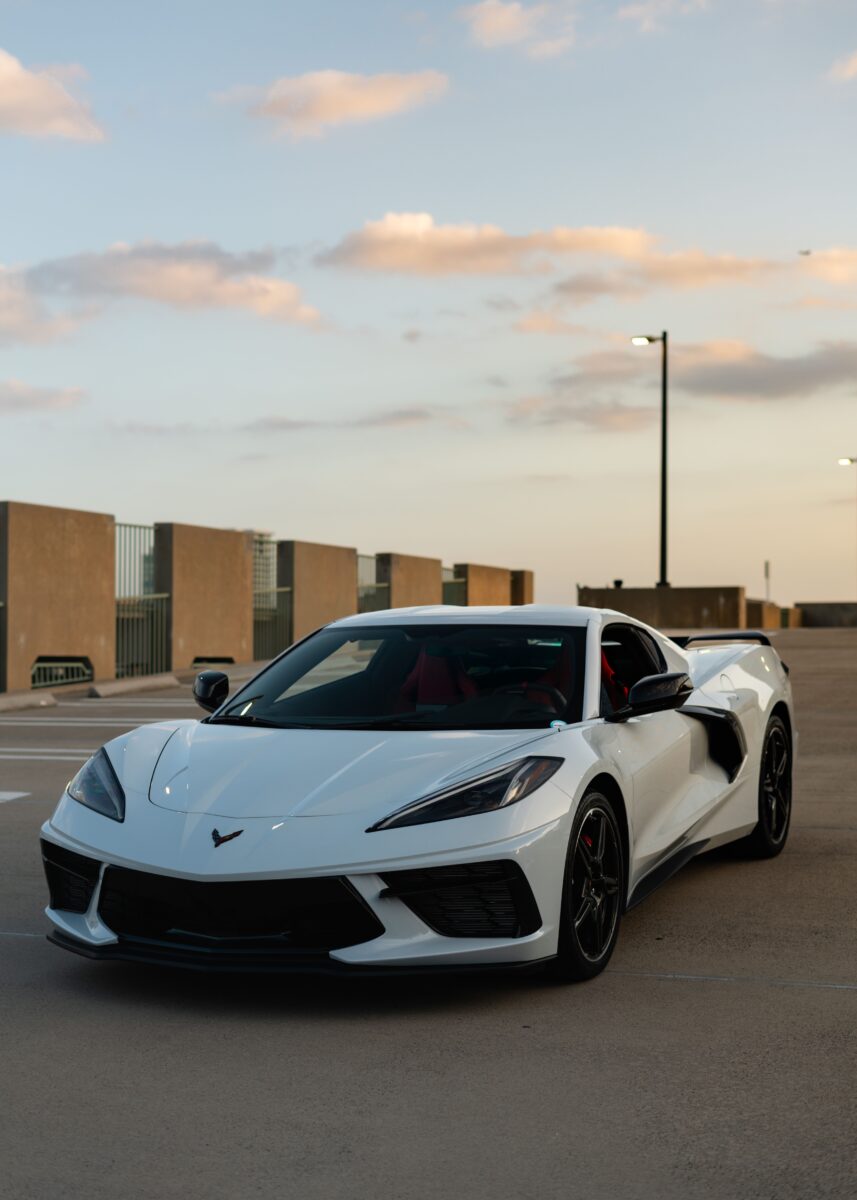
Exhaust system choices carry more consequence for a touring Corvette than most owners anticipate. A well-chosen system improves exhaust tone at cruising rpm without introducing the cabin drone that makes highway stretches genuinely tiring.
The mistake is selecting a system tuned for wide-open throttle drama rather than livability at steady highway speeds. Aggressive exhaust upgrades can also require tune support on LT4 cars to avoid drivability issues, which moves the project well outside bolt-on territory. For scenic use, mid-level options that improve tone and flow without sacrificing refinement return the most value.
What Each Corvette Generation Needs Most
Every generation brings a different starting point to a touring build, so the smartest upgrade path depends heavily on which car is in the garage. The sections on tires, suspension, and brakes covered the universal priorities; what follows translates those priorities into generation-specific terms.
C5 and C6 Priorities for Long Drives
A C5 Corvette or C6 Corvette coming into a touring build often has more to gain from refreshing worn components than from adding any new capability. Suspension bushings degrade over time, and replacing them restores the chassis behavior the car was designed to deliver before considering further suspension upgrades.
Cooling system maintenance and seat condition also deserve attention before anything else. On a long scenic route, a car running warm or an unsupportive seat will limit the drive far sooner than outdated horsepower numbers will. Older LS-based cars reward this foundational work disproportionately, and the improvement in overall composure tends to surprise owners who go straight to performance parts first.
C7 and C8 Priorities for Scenic Routes
A C7 Corvette arrives from the factory with a stronger chassis baseline, so the priority list shifts toward refinement rather than restoration. Tire selection, alignment, brake feel, and cabin noise management return more on a scenic route than most mechanical modifications would.
Grand Sport and Z06 variants complicate this slightly. Their factory suspension and brake setups are already tuned toward performance, which means some owners actually benefit from softening the approach for touring use rather than sharpening it. A C8 Corvette follows similar logic at an even higher baseline, where cabin refinement and tire choice often matter more than any additional hardware. ZR1 owners operating near the top of the factory performance envelope rarely need mechanical changes for scenic driving at all.
Prep the Car Before You Head Out
Getting the most out of a scenic route starts well before departure. Cooling upgrades become relevant on older C6 Corvette and C7 Corvette builds running in sustained heat, but most of the prep list is straightforward: coolant condition, oil level, brake fluid age, belt and hose condition, and battery health all deserve a check before a long drive.
Tires need the same attention. Sidewall cracking, uneven wear from neglected alignment, and worn brake pads are the kind of issues that turn a great route into a frustrating one. A spare, inflation gear, and basic roadside essentials round out the list.
The broader principle here is that a reliable, well-maintained baseline protects the trip more effectively than any last-minute parts installation would. Whether the route covers breathtaking drives through Texas or high-altitude mountain roads, a mechanically sound car gets more from the experience than a modified one running on deferred maintenance.
FAQs
What Are the Best Corvette Upgrades for Scenic Driving?
Wheels and tires, suspension upgrades, and brake improvements return the most value on a scenic route. These categories improve composure, reduce fatigue, and build confidence across the mixed conditions a long drive typically delivers.
Should I Upgrade My Corvette Suspension for Road Trips?
Suspension upgrades help most when they reduce harshness without sacrificing control. Sway bars and fresh bushings are a practical starting point, particularly on older C5 and C6 platforms where worn components already compromise ride quality.
Are Performance Tires a Good Choice for Long Scenic Routes?
Max-performance tires trade wet grip and ride compliance for dry-surface capability. A touring-oriented compound in the same size handles mixed road conditions more predictably over a full day of driving.
Do Power Mods Help on a Scenic Driving Trip?
A cold air intake can sharpen part-throttle response at touring speeds, which is where scenic routes actually spend most of their time. Beyond that, power modifications add less enjoyment per dollar than handling and comfort changes do.
Build for the Road You Actually Drive
The right upgrade path for a Corvette depends on the route, the generation, and how often the car actually covers distance. There is no single answer that fits every build.
For scenic driving, the hierarchy stays consistent: wheels and tires come first, followed by suspension upgrades, brake feel, and cabin comfort. Handling upgrades that improve composure and reduce fatigue return far more enjoyment on a long route than power gains do. That priority order does not change regardless of which platform is involved.
The practical takeaway is straightforward: build the car for the roads it will actually travel.
