
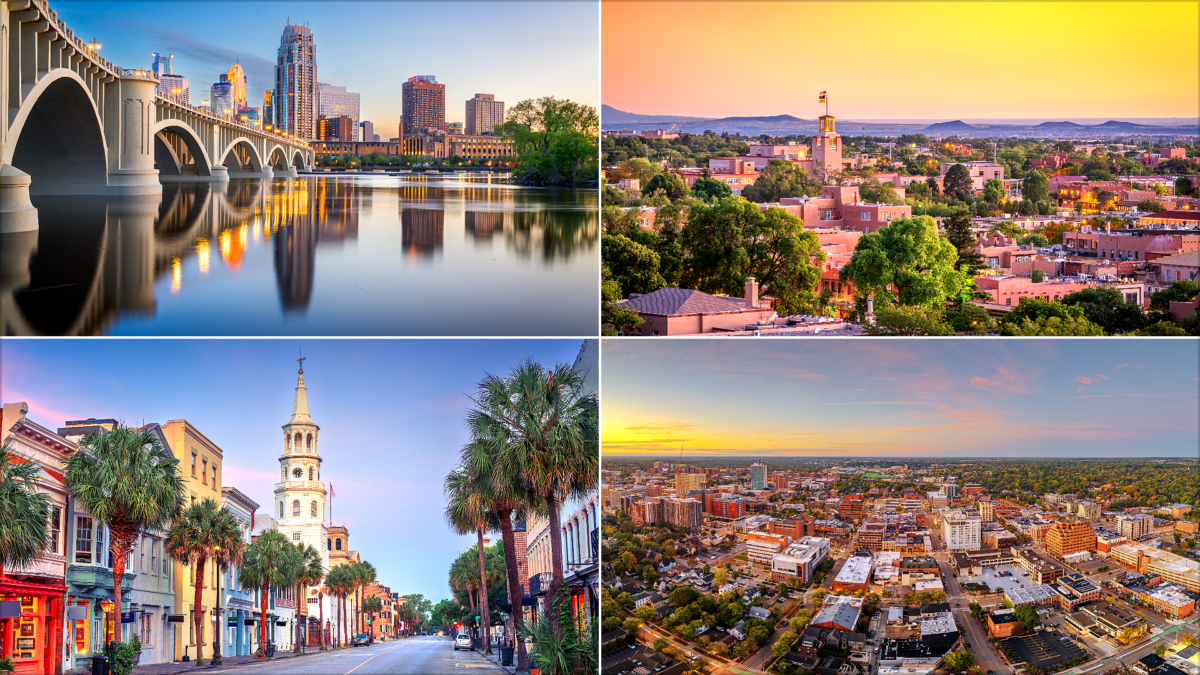
The Most Livable U.S. Cities for Seniors
Choosing where to live later in life is not just about sunshine and a nice porch, though both help. The most livable U.S. cities for seniors tend to make everyday life easier in the ways that matter most: getting around without drama, reaching good healthcare, finding a neighborhood with a slower pace, and staying socially connected without needing a survival guide to the local freeway system.
That is the real trick. A city can be lively without being exhausting. It can have museums, parks, restaurants, and a little personality, while still making errands, appointments, and weekend outings feel manageable. For seniors, livability often comes down to a mix of walkability, reliable transit, climate, cost balance, and access to services. Fancy views are nice. A nearby grocery store and a trustworthy bus line are nicer.
What Makes a City Livable for Seniors?
Before diving into the list, it helps to know what people usually mean by “livable.” A city that works well for seniors is rarely the flashiest one on the map. It is the place where daily routines are simple enough that life feels like life, not a logistics project.
- Walkable neighborhoods: Short blocks, safe crossings, and essentials close by.
- Good transit: Buses, light rail, or other options that reduce the need to drive everywhere.
- Healthcare access: Hospitals, specialists, and senior-focused services within reach.
- Climate that suits comfort: Mild weather can make it easier to stay active.
- Community amenities: Parks, libraries, cultural centers, and places to meet people.
- Reasonable daily logistics: Groceries, pharmacies, and appointments should not require a road trip.
With that in mind, here are 10 cities that consistently stand out for comfort, convenience, and a lifestyle that feels easier to sustain over the long haul.
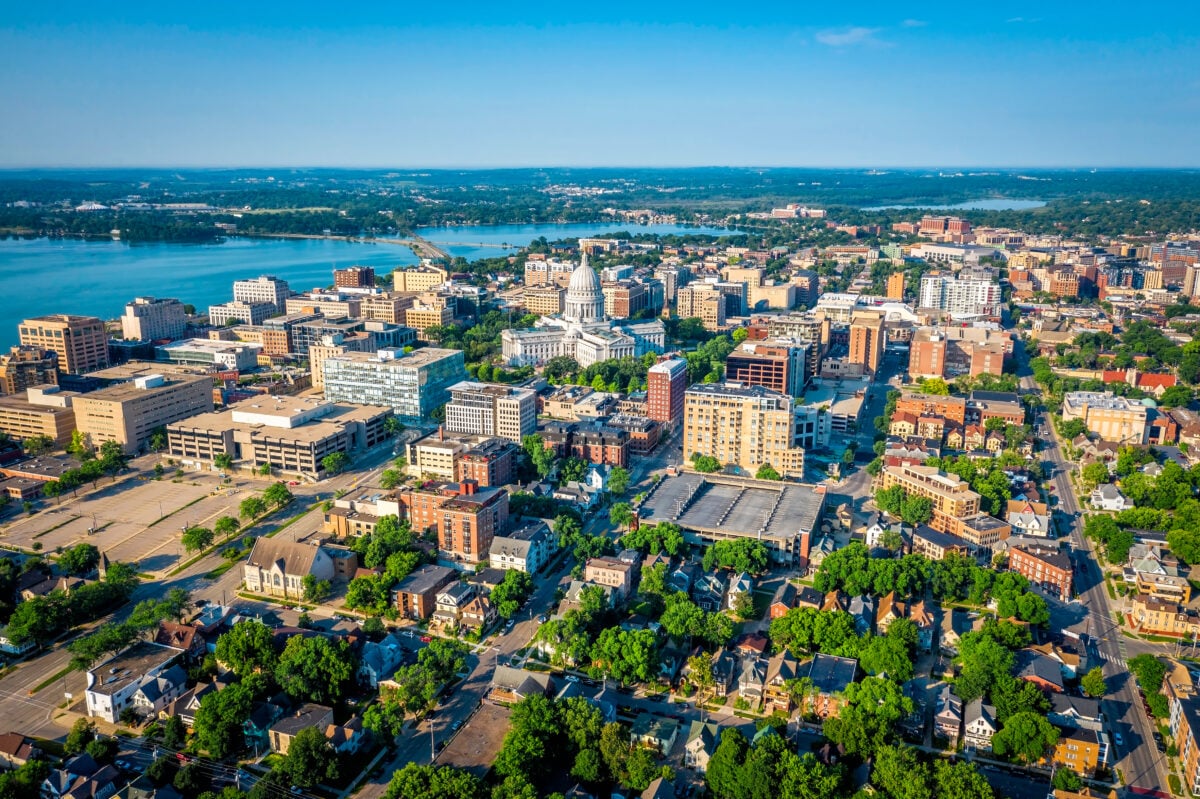
1. Madison, Wisconsin
Madison is one of those cities that quietly wins people over. It has a compact core, strong healthcare access, and a pleasant mix of lakeside scenery and everyday practicality. For seniors, that combination matters more than any glossy skyline ever could.
Why it is worth visiting: Madison is easy to explore, with a walkable downtown, a strong arts scene, and plenty of parks and paths. The city also feels active without being overwhelming.
What makes it unique: The isthmus setting between Lake Mendota and Lake Monona gives the city a distinctive layout and lots of water views. It also makes neighborhood life feel connected, which is always helpful when you are trying to avoid spending half the day in a car.
Best time to visit: Late spring through early fall offers the most comfortable weather for walking, outdoor markets, and lakefront time.
Helpful travel tips:
- Focus on neighborhoods near downtown or near bus lines if you want simpler transit.
- Plan time for the Dane County Farmers’ Market, one of the city’s easy pleasures.
- Use the lakeside paths for low-effort sightseeing.
Nearby experiences: The UW-Madison campus, Olbrich Botanical Gardens, and the city’s many bike-and-walk routes are all good fits for a relaxed visit. For more on the area, the official Madison tourism site is a useful starting point.
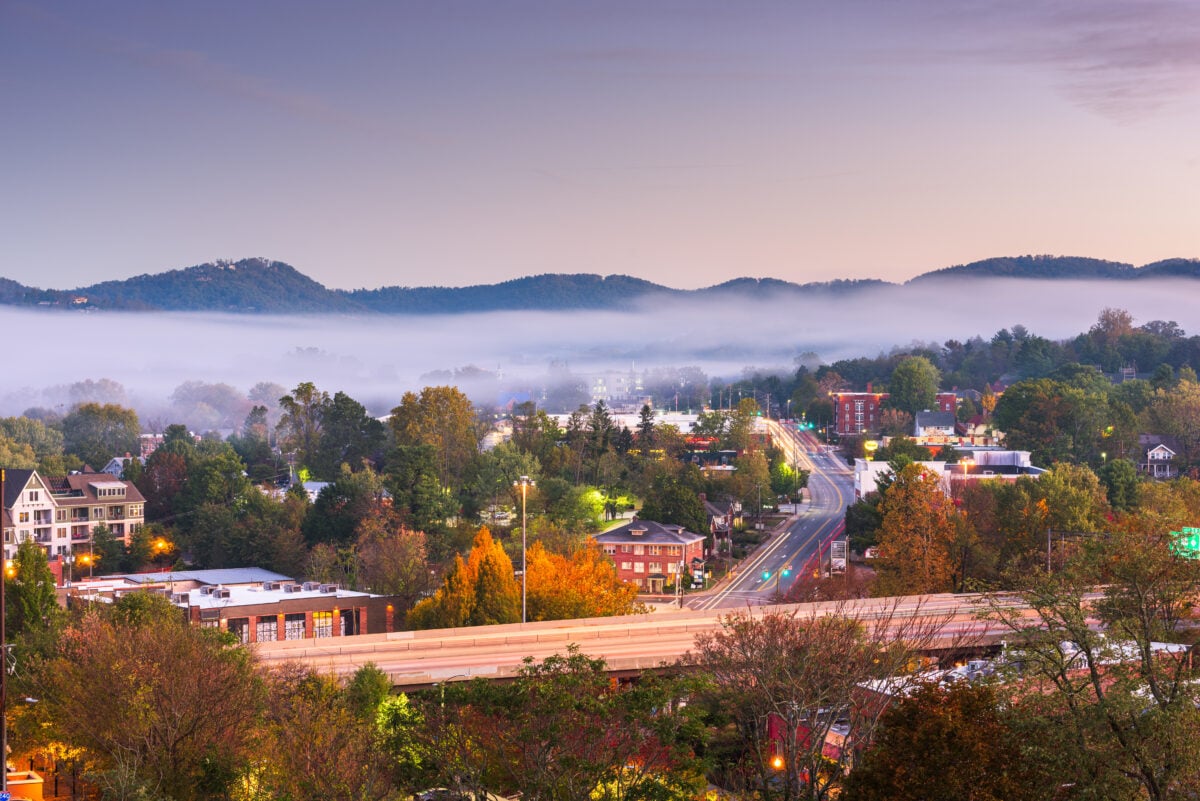
2. Asheville, North Carolina
Asheville has long appealed to travelers who like a little culture with their mountain views. For seniors, it offers a pleasant blend of outdoorsy living, independent restaurants, arts, and a pace that can feel gentler than a large metro area.
Why it is worth visiting: There is plenty to do without having to over-plan. Scenic drives, galleries, gardens, and mountain day trips make it easy to stay engaged.
What makes it unique: Asheville has a creative streak. That shows up in its local food scene, craft culture, and the kind of downtown that invites wandering more than rushing.
Best time to visit: Spring and fall are especially pleasant, with comfortable temperatures and seasonal color that does its job without being theatrical about it.
Helpful travel tips:
- Choose accommodations near downtown if you want easier access to restaurants and attractions.
- Plan ahead for popular mountain routes and peak foliage periods.
- Look for accessible options at gardens, museums, and historic sites.
Nearby experiences: The Blue Ridge Parkway, Biltmore Estate, and local craft centers make Asheville an easy base for a slower-paced getaway. The Explore Asheville tourism site is a handy resource for trip planning.
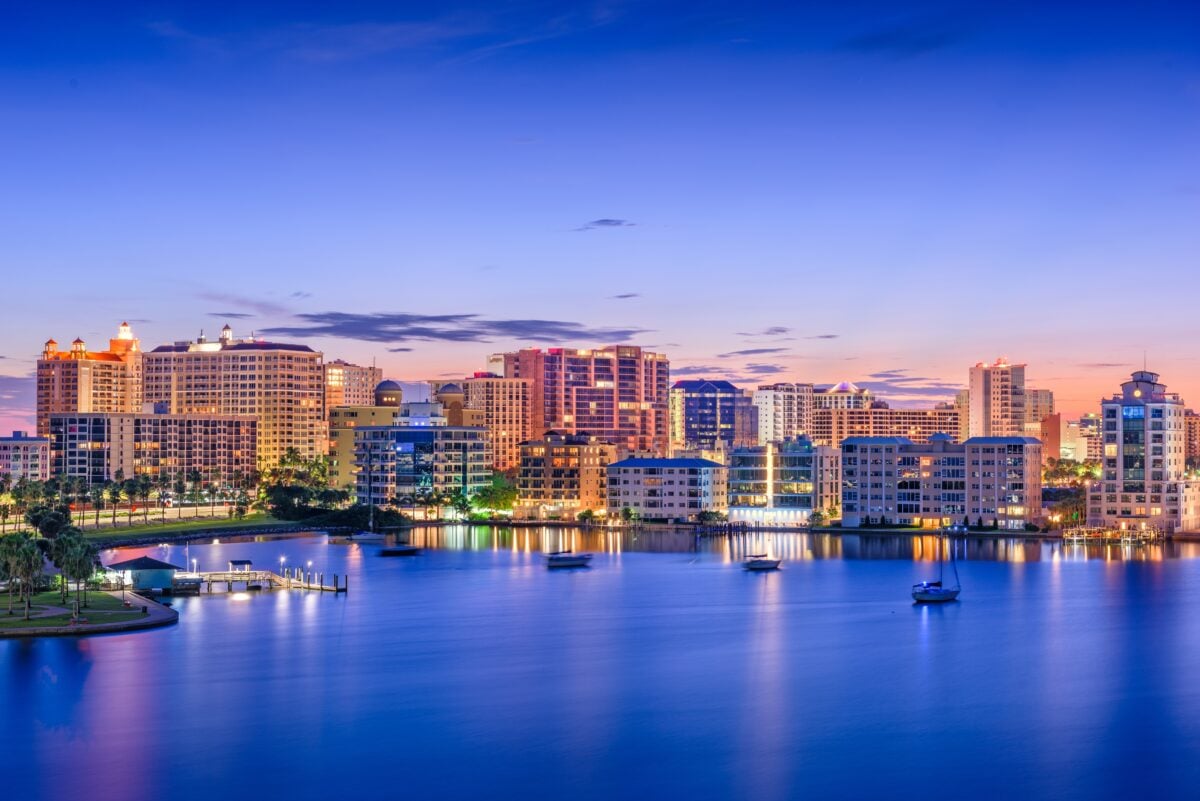
3. Sarasota, Florida
Sarasota is a strong contender for seniors who want warm weather, a coastal setting, and a fairly polished mix of culture and convenience. It is not just beaches and sun hats, though that part does help. It also has museums, gardens, and a strong retirement-friendly reputation for good reason.
Why it is worth visiting: Sarasota offers easy access to the Gulf, outdoor activities, and a leisure-focused lifestyle that can feel very comfortable for longer stays or retirement living.
What makes it unique: The city combines beach-town ease with a surprising amount of arts and performance programming. That keeps things from feeling one-note.
Best time to visit: Late fall through spring is generally the most comfortable window for visitors who prefer milder temperatures.
Helpful travel tips:
- Check beach access and parking options in advance, especially for popular shoreline areas.
- Consider a stay near downtown or near Siesta Key depending on whether you prefer culture or coast.
- Use cooler mornings for outdoor time and save afternoons for indoor attractions.
Nearby experiences: Siesta Key Beach, Marie Selby Botanical Gardens, and the Ringling campus give visitors several easy ways to fill a day. The official Sarasota tourism site offers practical area information.
4. Portland, Maine
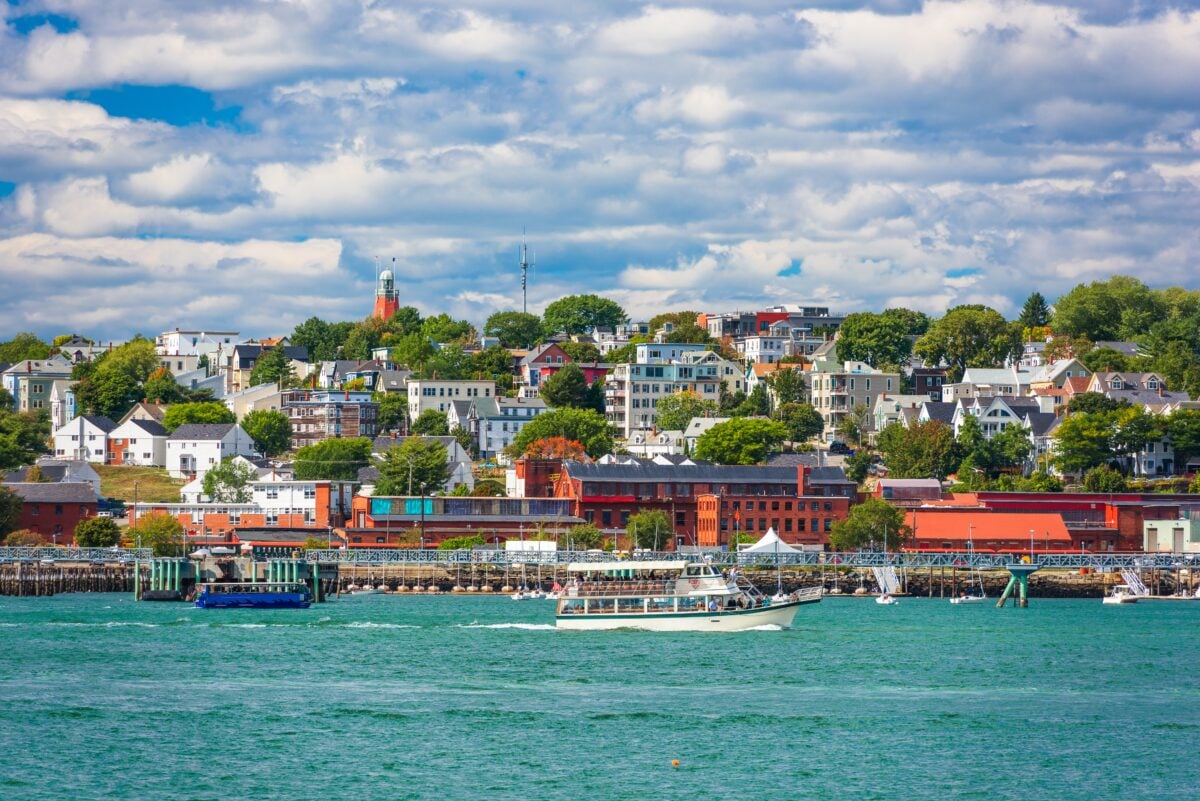
Portland is compact, attractive, and refreshingly manageable. It has coastal scenery, a strong local food scene, and a downtown that rewards slow exploration. Seniors who like cities with character but not chaos often find Portland appealing.
Why it is worth visiting: The city is easy to navigate, especially if you prefer a place where a good walk can cover a lot of ground.
What makes it unique: Portland’s working waterfront gives it a real sense of place. It feels like a city that still knows what it is, which is oddly comforting these days.
Best time to visit: Late spring through early fall is best for pleasant coastal weather and harbor activities.
Helpful travel tips:
- Stay near the Old Port if you want walkable dining and access to the waterfront.
- Wear sensible shoes. Portland is charming, but it does not hand out flat sidewalks as a universal promise.
- Plan some indoor time too, especially around museums and galleries.
Nearby experiences: Portland Head Light, ferry trips, and harbor cruises are easy add-ons. The Visit Portland site is useful for neighborhood and attraction details.
5. Scottsdale, Arizona
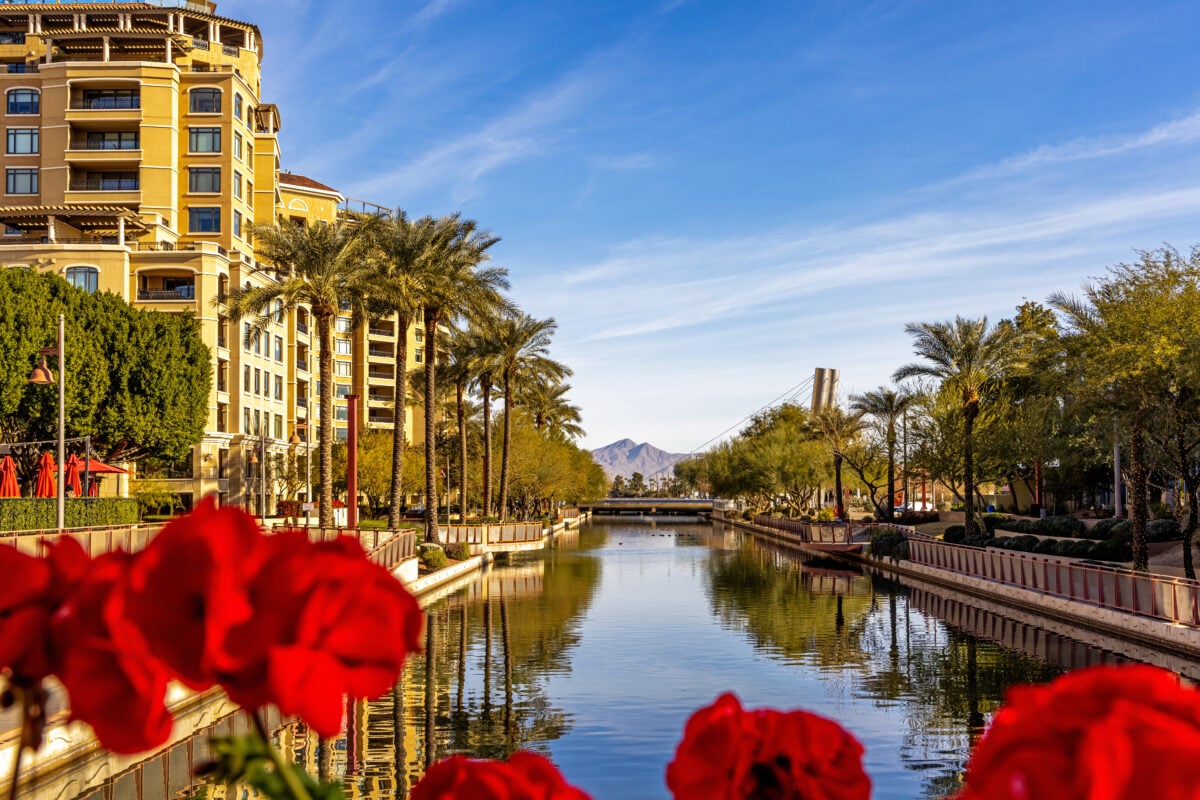
Scottsdale appeals to seniors who want dry weather, resort-style comfort, and a city that tends to make daily life feel fairly straightforward. It is known for golf, spas, and desert scenery, but there is more to it than leisure alone.
Why it is worth visiting: Scottsdale is strong on convenience, with good lodging, dining, and wellness-oriented amenities.
What makes it unique: The desert landscape gives the city a calm visual identity, and the Old Town area adds a walkable district with shops, galleries, and restaurants.
Best time to visit: Fall through spring is the most comfortable stretch for outdoor activities.
Helpful travel tips:
- Midday heat can be intense, so plan outdoor time early or later in the day.
- Look for centrally located stays if you want to minimize driving.
- Check accessibility details for desert trails and outdoor attractions before heading out.
Nearby experiences: Old Town Scottsdale, the Scottsdale Museum of Contemporary Art, and desert trails in the region offer a balanced mix of culture and nature. For official area information, see the Scottsdale tourism site.
6. Portland, Oregon
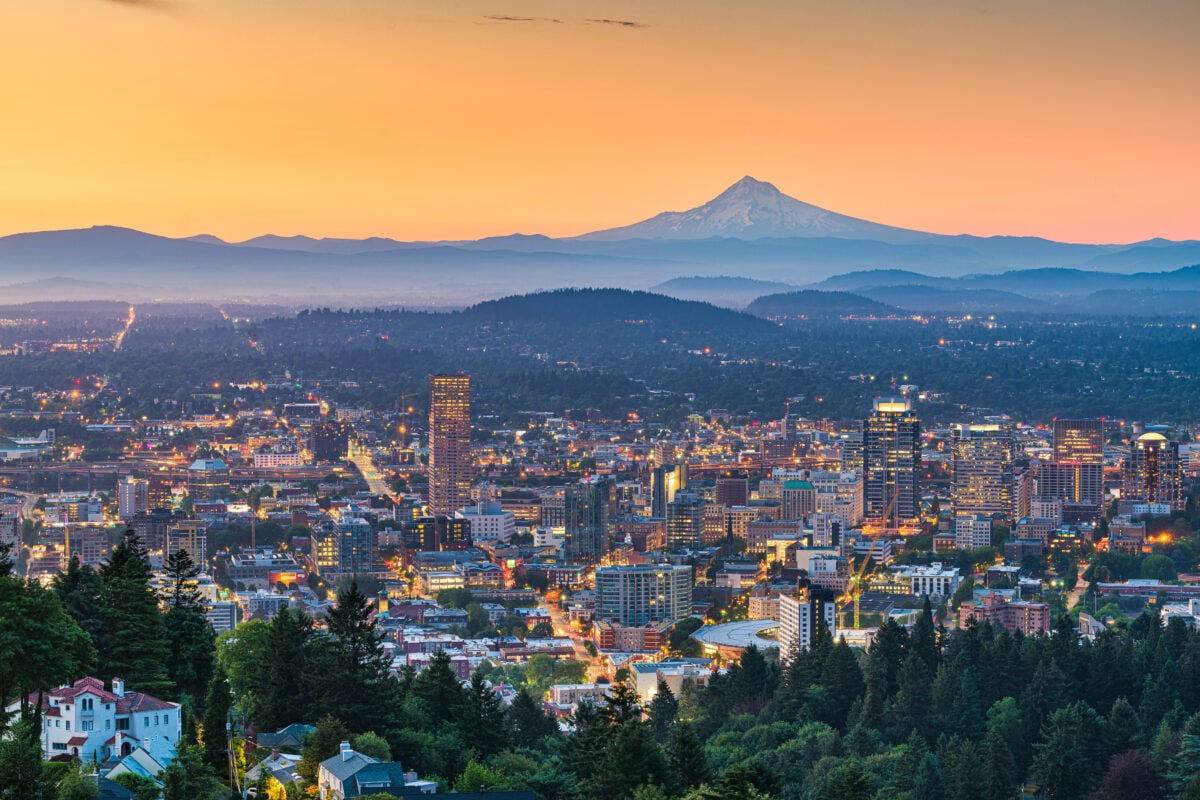
Portland, Oregon has long attracted people who value transit, neighborhood character, and easy access to parks. For seniors, that can mean a life with fewer car-dependent errands and more chances to enjoy a city at street level.
Why it is worth visiting: The city offers good public transit, a strong urban park system, and a culture that encourages walking and casual exploration.
What makes it unique: Portland’s neighborhood feel is one of its biggest strengths. Many areas have their own identity, which helps the city feel approachable rather than sprawling.
Best time to visit: Late spring through early fall is ideal for outdoor markets, gardens, and riverfront walks.
Helpful travel tips:
- Use light rail and streetcar options when possible to keep moving simple.
- Stay in or near the central city if you want easy access to sights and transit.
- Bring layers. Portland has a habit of changing its mind about weather.
Nearby experiences: Washington Park, the Portland Japanese Garden, and the riverfront are all easy outings. The official Portland tourism site is helpful for planning around transit and neighborhoods.
7. Ann Arbor, Michigan
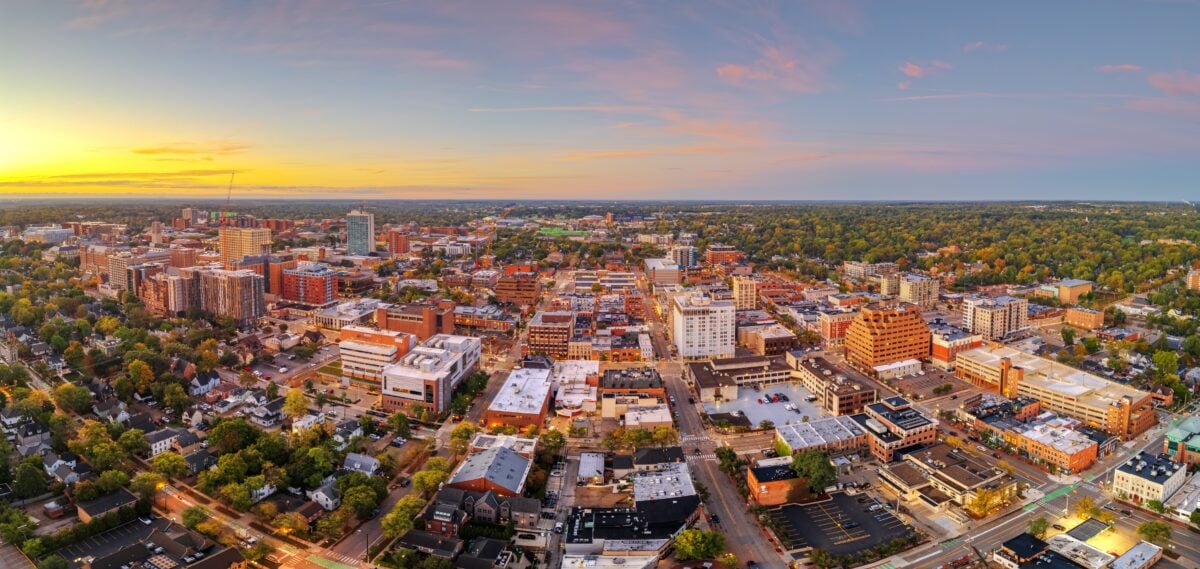
Ann Arbor is smaller than many cities on this list, but that is part of its appeal. It has a strong academic and cultural presence, good healthcare access, and a downtown that is easy to enjoy without turning every outing into an endurance test.
Why it is worth visiting: It has museums, theater, green spaces, and a thoughtful pace that suits seniors who like staying active without dealing with big-city overwhelm.
What makes it unique: The university gives the city energy and resources, but the overall feel is still manageable and neighborly.
Best time to visit: Spring and early fall are especially pleasant for campus walks and riverfront time.
Helpful travel tips:
- Downtown and Main Street areas are among the easiest for a short stay.
- Check event calendars, since the university can bring crowds at certain times.
- Bring comfortable shoes for museum hopping and campus wandering.
Nearby experiences: The University of Michigan Museum of Art, Matthaei Botanical Gardens, and the Huron River corridor offer a good mix of indoor and outdoor activities. For trip planning, the Ann Arbor Area Convention and Visitors Bureau is a practical resource.
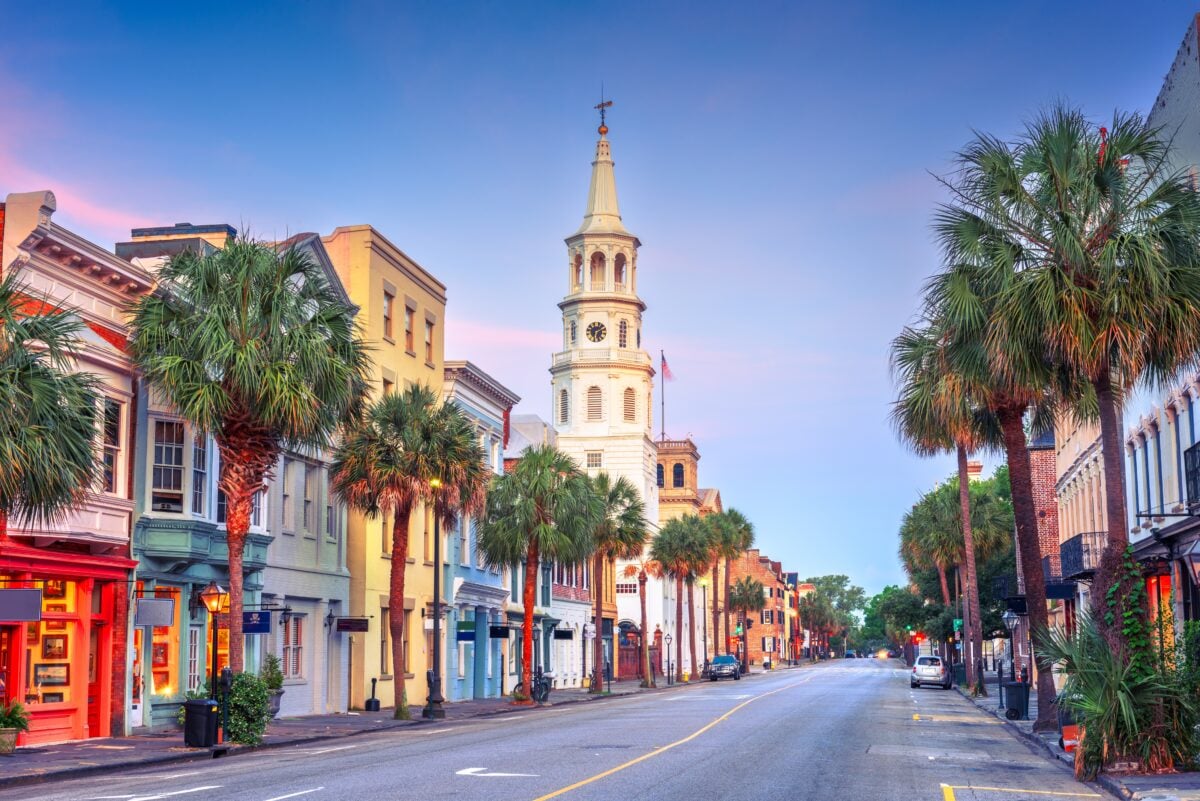
8. Charleston, South Carolina
Charleston has charm in abundance, but it also has a slower rhythm that can work well for seniors, especially those who appreciate walkable historic districts, good food, and a warm climate. Just be prepared for humidity to remind everyone who is really in charge.
Why it is worth visiting: The city offers rich history, a strong restaurant scene, and beautiful public spaces that are easy to enjoy at a comfortable pace.
What makes it unique: Charleston’s architecture, waterfront setting, and historic streets create a memorable atmosphere that feels distinct without needing much explanation.
Best time to visit: Spring and late fall are generally the most comfortable seasons for sightseeing.
Helpful travel tips:
- Stay near the historic district if you want a more walkable trip.
- Book tours early for popular gardens, homes, and harbor activities.
- Use morning hours for outdoor exploring before temperatures rise.
Nearby experiences: Waterfront Park, Fort Sumter, and nearby plantation and garden sites offer a range of outings. The Charleston tourism site is a good place to start.
9. Santa Fe, New Mexico
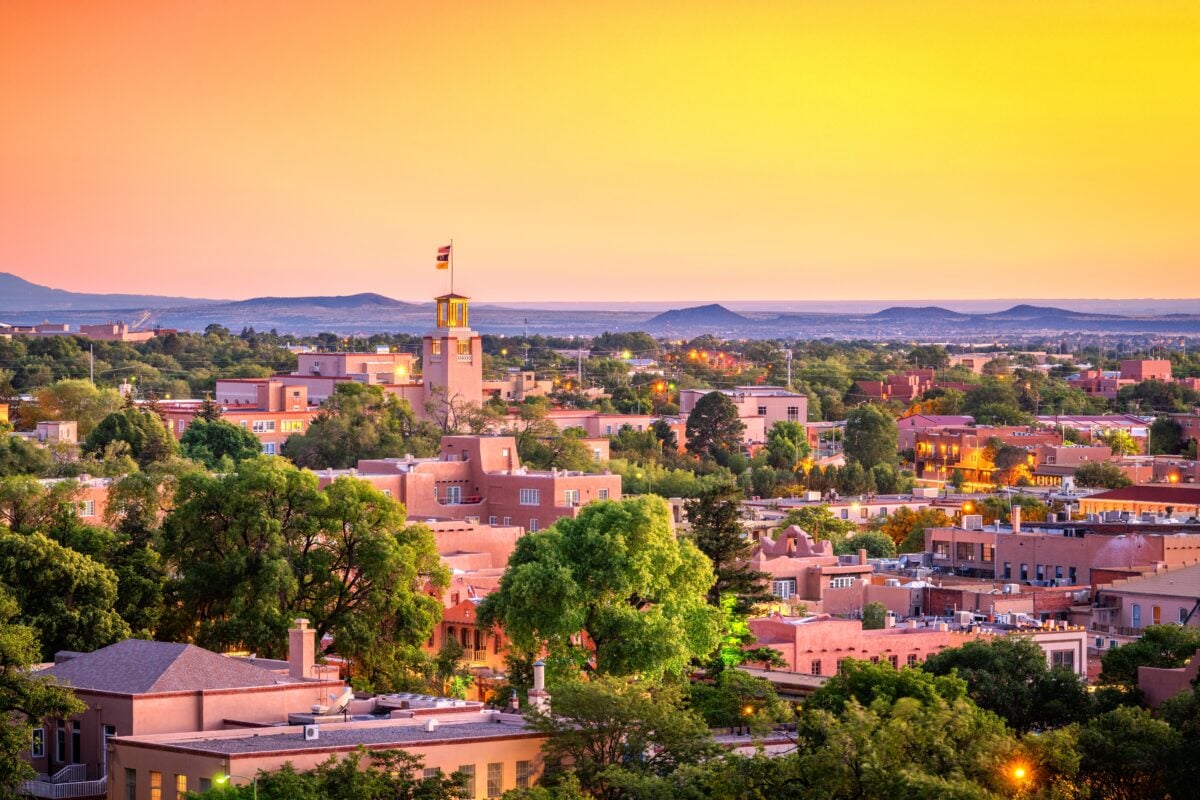
Santa Fe is a standout for seniors who like art, history, and a city that feels human-scaled. The compact layout, strong cultural identity, and high-desert setting all make it easy to visit without feeling rushed.
Why it is worth visiting: It is an excellent place for gallery browsing, museum visits, and leisurely meals with a view that is about more than parking lots. A rare luxury.
What makes it unique: Santa Fe’s Pueblo-inspired architecture and deep artistic presence give it a strong sense of place. It does not feel like a city trying to be somewhere else.
Best time to visit: Spring and fall are ideal for mild temperatures and outdoor sightseeing.
Helpful travel tips:
- Book centrally located accommodations if you want to walk to museums and restaurants.
- Stay hydrated because the dry climate can sneak up on visitors.
- Look into accessible museum and historic-site options before you go.
Nearby experiences: Canyon Road, the Georgia O’Keeffe Museum, and day trips into the surrounding high desert round out a rewarding stay. The official Santa Fe tourism site is useful for neighborhood and attraction planning.
10. Minneapolis, Minnesota
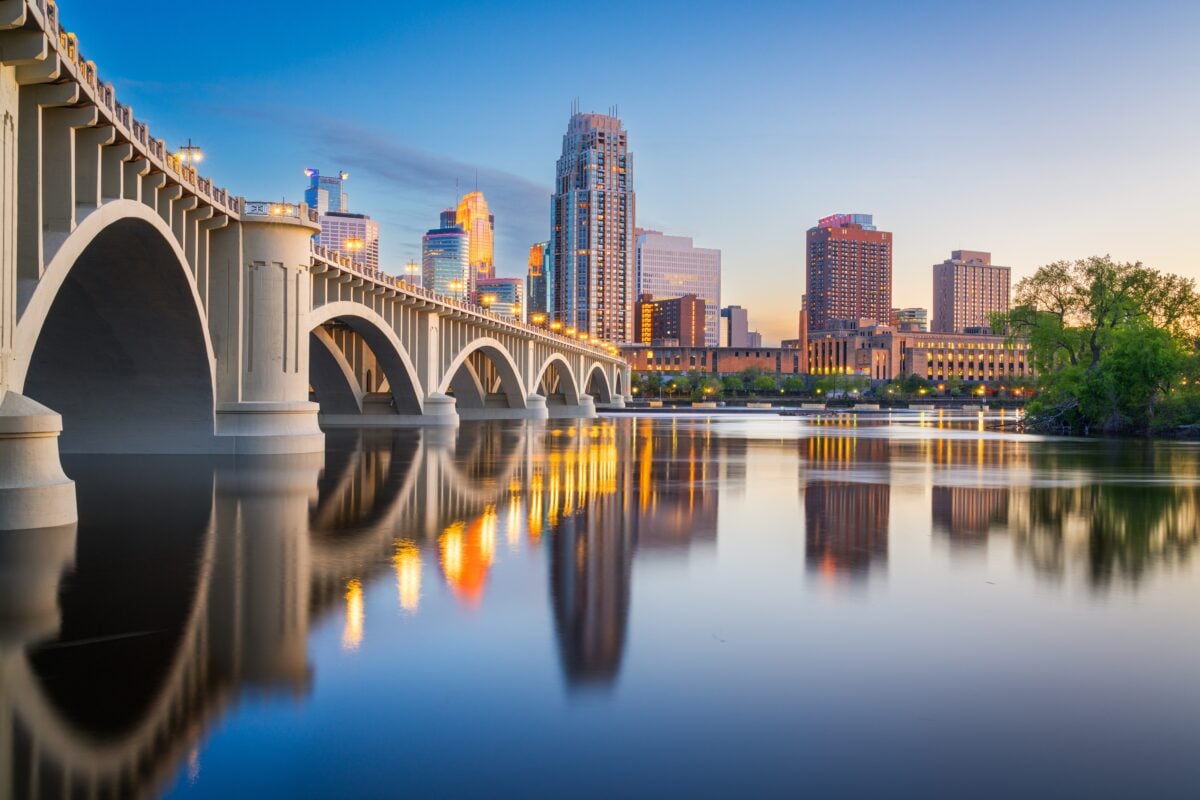
Minneapolis is often praised for its parks, lakes, and strong civic infrastructure, all of which can make life notably easier for seniors. It is a city where getting outside is part of the routine, not a special event that requires three days of preparation and a snack budget.
Why it is worth visiting: The city offers a mix of cultural attractions, accessible public spaces, and neighborhoods that support everyday convenience.
What makes it unique: Its extensive park system and urban lakes create a city that feels active, green, and unusually breathable for a major metro area.
Best time to visit: Late spring through early fall is the best period for outdoor sightseeing and lakefront walks.
Helpful travel tips:
- Explore the downtown skyway system if weather is not cooperating.
- Use parks and lakeside trails for low-stress sightseeing.
- Check museum and theater schedules if you want to pair culture with easy transportation.
Nearby experiences: Minnehaha Falls, the Minneapolis Institute of Art, and the Chain of Lakes all work well for a senior-friendly visit. The official Minneapolis tourism site has solid neighborhood and activity information.
Quick Comparison of the Most Livable U.S. Cities for Seniors
| City | Best For | Helpful Travel Style | Season to Aim For |
|---|---|---|---|
| Madison, WI | Walkability and healthcare access | Lakes, downtown strolls, markets | Late spring to early fall |
| Asheville, NC | Arts and mountain scenery | Relaxed city breaks and scenic drives | Spring and fall |
| Sarasota, FL | Warm weather and coastal comfort | Beach time and culture | Late fall to spring |
| Portland, ME | Compact downtown and coastal charm | Walking trips and waterfront stays | Late spring to early fall |
| Scottsdale, AZ | Dry climate and easy resort living | Golf, spas, and desert outings | Fall to spring |
| Portland, OR | Transit and neighborhood feel | Urban parks and museum days | Late spring to early fall |
| Ann Arbor, MI | Smaller-city convenience | Campus culture and river walks | Spring and early fall |
| Charleston, SC | History and walkable charm | Historic district stays | Spring and late fall |
| Santa Fe, NM | Arts and compact layout | Gallery hopping and museum visits | Spring and fall |
| Minneapolis, MN | Parks and urban livability | Lakefront walks and cultural stops | Late spring to early fall |
How to Choose the Right City for Your Needs
The most livable U.S. cities for seniors are not one-size-fits-all. A sunny coastal city might be perfect for one person and far too humid for another. A transit-rich city might delight someone who has no interest in driving but frustrate someone who wants quiet streets and a slower pace.
Here are a few practical questions worth asking:
- Do you want to walk to most daily essentials?
- How important is year-round mild weather?
- Would you rather have a cultural city or a quieter residential feel?
- Do you want easy access to a major hospital or specialist care?
- Are you planning for full-time living, long stays, or seasonal visits?
If possible, spend time in a city before making a big move. Walk the neighborhood, ride the transit, visit a pharmacy, and get coffee somewhere local. Cities reveal themselves in the ordinary moments, not just at the pretty overlook everyone photographs.
Final Thoughts on The Most Livable U.S. Cities for Seniors
The best city for senior living is usually the one that removes friction from daily life while still offering enough variety to keep things interesting. That might mean a walkable downtown, reliable healthcare, a mild climate, or a neighborhood where you can get groceries without plotting a military operation.
If you are exploring The Most Livable U.S. Cities for Seniors as a place to retire, relocate, or spend extended time, start with the practical stuff first. The right city should make life easier, not busier. Bonus points if it also has a good café, a decent park, and a bus route that behaves itself.
