
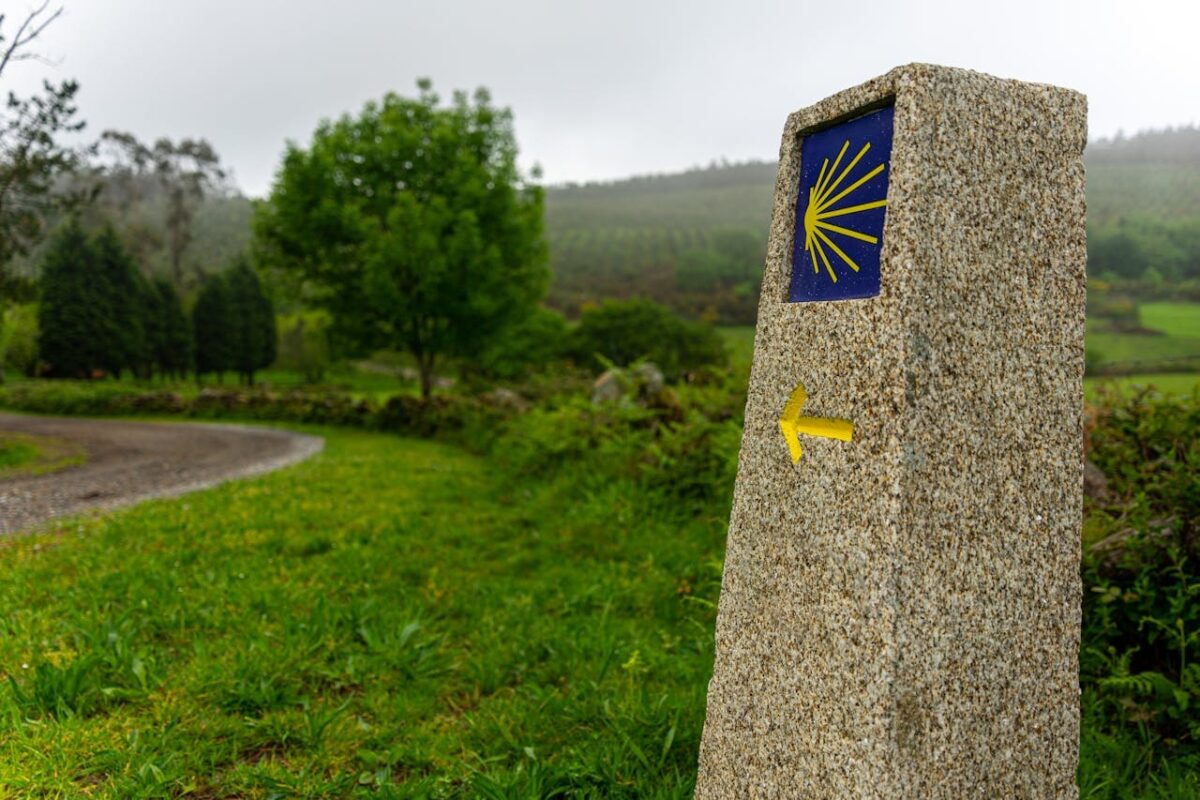
Whether you felt Spain’s calling or just love hiking, the Camino de Santiago is one of the most popular pilgrimages and long-distance hikes in the whole world, welcoming millions of people each year who embark on the journey of walking towards Santiago de Compostela through its many routes, which is, in fact, what holds back first-timers who are planning on doing this amazing hike.
The beauty of the Camino de Santiago is that it offers a ton of different trails and paths that can suit different people, but this, on top of the logistics and amount of time some of those trails take to complete, can hold back people from trying it.
But what most people don’t realize is that there are a ton of ways to accommodate the Camino to themselves, and today I want to help you figure out just that with a few smart tips!
Finding Your Place on the Trail
Many people want to do the Camino, whether it’s for religious reasons, to get away from the busy daily life, to find inner peace, or just as a physical challenge. That’s why choosing the right route is a must, because if you pick a path that is too hard, you might end up hurting yourself, or if you pick one that is too quiet, you might miss out on the famous “pilgrim spirit”.
So, the first thing you need to do is sit down and ask yourself: What do I want to experience?
Some people want stunning mountain landscapes with rolling countryside hills, and others want coastal paths. Your personal taste is the first big clue in picking a route.
Then, there’s the time factor, for example: you have the French Way, which is the classic version with lots of history and villages, but this can take up to 35 days depending on your pace. Now, what most people don’t know is that you can do the French Way from Sarria, which is only 7 days, and you get to experience the full thing.
Choosing the right path is about matching the trail to the person you are right now.
How Far and How Fast Can You Really Go?
Now, finding your place in the trail leads us to a huge question, and one we need to answer honestly: How far and how fast can I really go?
If you’re not doing the Camino for a physical challenge, then I must assume that you’re not a professional athlete; in fact, most are not, which is why it’s so important to assimilate this. Walking twenty kilometers a day for a week is a lot harder than it sounds.
You need to take this into account when choosing a path, look at the terrain, check if it’s flat or goes up and down, and if it has any steep mountains. A good example is the Camino Primitivo, which is beautiful, but it has some very steep mountains.
On the other hand, you have the French Way from Sarria, which is often labeled as easy and manageable for people who are not that athletic.
A good rule of thumb is to look at how much time you have. Most people have a week or two of vacation.
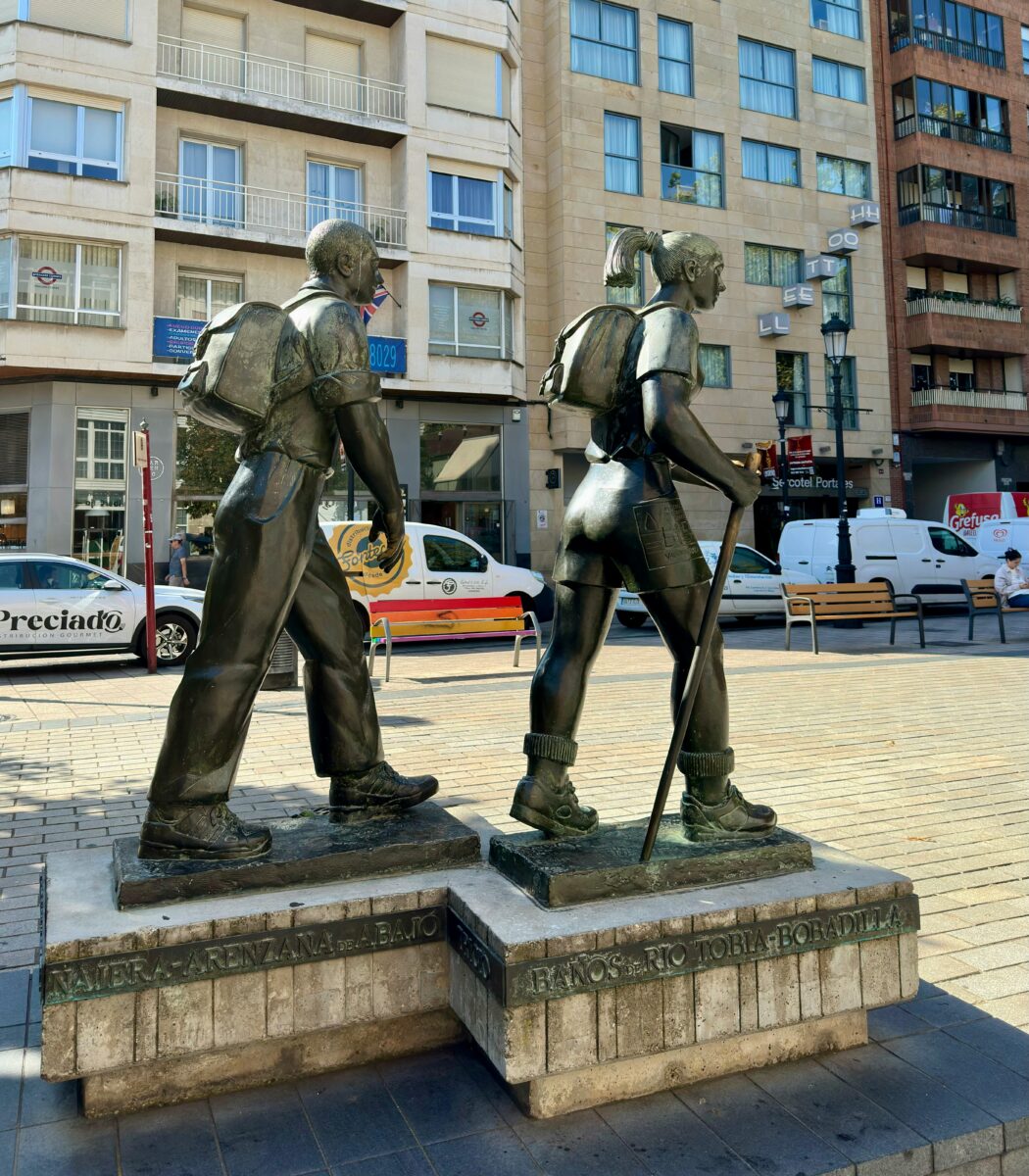
Why Sarria and a Planned Trip is the Winner for First-Timers
Taking into account the time, difficulty of the route, and experience, the Sarria route is by far the most first-time friendly, one that can put up a moderate challenge to anyone, but is still manageable enough to finish it.
Not only that, but it also meets the 100k kilometers needed in order to get the official certificate of completion (the Compostela). This means you can finish the journey in about five or six days of walking.
It also gives you the full experience without the month-long commitment. You get to walk through the green forests of Galicia, check ancient towns, and meet plenty of other pilgrims.
While I know that this alone is a great starting point, another thing that worries most first-timers is the logistics, but you don’t have to do that! You can choose an organized trip with a specialized agency like Santiago Ways. You will get everything taken care of for you, from booking accommodations to transport, as well as luggage transfers.
Conclusion
The Camino de Santiago has evolved a lot; routes are properly taken care of, and the overall infrastructure is better. Nowadays, you don’t even have to walk the full 30 days… all you need to do is choose a path that fits your fitness, and go with a planned trip if it’s your first time.
With those tips, you’re covered to start planning your Camino trip the right way.
