
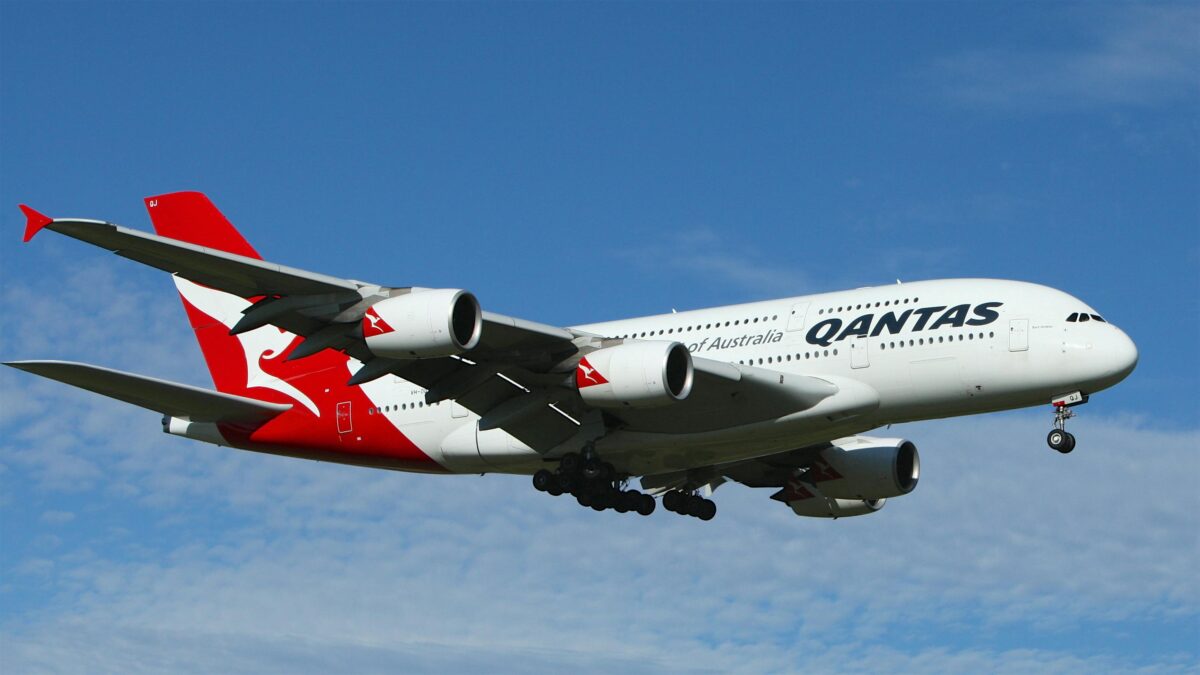
Travel plans between Australia, Europe, and parts of Asia are shifting again as Qantas and its low-cost arm Jetstar extend flight schedule adjustments well into late 2026.
The airline group says the move is a response to ongoing instability in the Middle East, which continues to drive up fuel prices, alongside sustained demand from travelers heading to Europe.
More Flights to Europe, But Fewer Elsewhere
If you’re planning a long-haul trip to Europe, there’s some good news. Qantas is doubling down on routes between Australia and major European cities, shifting aircraft to increase availability where demand remains strong.
- Extra flights between Perth and Rome will now continue through October
- Paris service will operate three times weekly via Singapore from Sydney
- Around 2,000 additional seats per week are being added on Europe routes
The airline is also giving passengers booked through partner carriers more flexibility, allowing them to switch to Qantas-operated flights where possible.
Cuts Hit Asia and Trans-Tasman Routes
That added European capacity comes at a cost elsewhere.
Qantas is temporarily pausing its Sydney to Bengaluru service from August through late October. At the same time, both Qantas and Jetstar are scaling back flights between Australia and New Zealand, as well as other parts of their international network.
Overall, the group’s international capacity will dip slightly, down about 2% for the first quarter of fiscal year 2027.
Domestic Flights Also Reduced
Closer to home, travelers within Australia will notice fewer options on some of the busiest routes.
The airline group has extended earlier domestic cuts through September, trimming capacity by about 5%, particularly on major city connections. That means fewer flights between key hubs, even as demand remains relatively strong.
What Travelers Should Do Now
If you already have a booking, keep an eye on your inbox. Affected passengers are being contacted directly and offered:
- Rebooking onto alternative flights
- Refund options if schedules no longer work
For anyone planning future travel, flexibility will be key, especially on routes outside of Europe, where availability may be tighter than usual.
The Bigger Picture
Airlines globally are still navigating a tricky mix of geopolitical tensions, volatile fuel costs, and shifting travel demand. In this case, Qantas is clearly prioritizing high-demand long-haul routes to Europe while pulling back in regions where profitability or operational challenges are greater.
For travelers, that means more opportunities to reach Europe, but potentially fewer choices elsewhere.
