
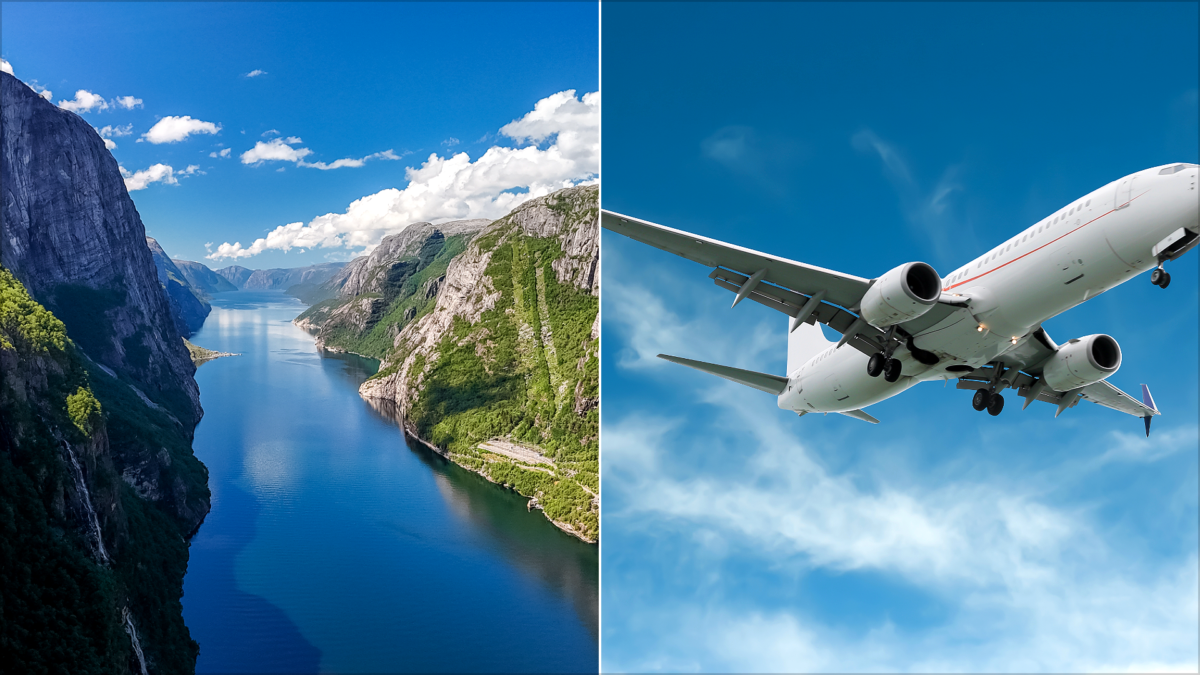
Scandinavia is having a moment, and the numbers back it up. New tourism data shows that Sweden, Norway, and Denmark all recorded their highest-ever overnight stay figures in 2025, pointing to a sustained surge in global interest according to a SAS Trends report.
Across the region, travelers are increasingly choosing cooler climates, open landscapes, and slower-paced experiences. At the same time, Scandinavian Airlines (SAS) reports passenger volumes to the region are up more than 10% year-on-year, reinforcing the trend from both tourism and aviation data.
Record-breaking tourism across Scandinavia
Each country is seeing slightly different drivers, but the overall trajectory is the same: more visitors, longer stays, and stronger international demand.
- Sweden recorded 30.8 million guest nights during summer 2025, its highest ever
- Foreign stays in Sweden rose nearly 9% year-on-year
- Travel from the United States to Sweden surged compared to pre-2019 levels
- Norway hit 40.6 million overnight stays in 2025, another all-time record
- International demand in Norway climbed by double digits
- Denmark also reached a new national high for tourist stays
European travelers, particularly from Germany, continue to lead the way. However, long-haul demand from the U.S. is becoming an increasingly important piece of the growth story.
Why travelers are heading north
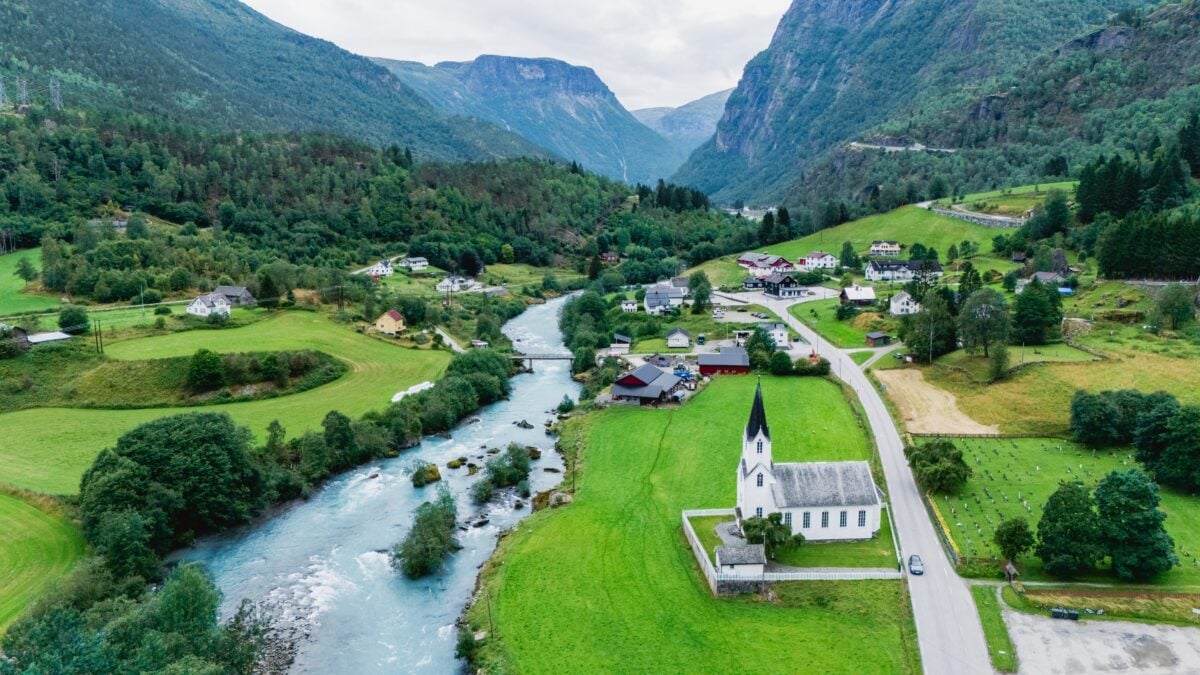
This surge is not about replacing beach vacations or city breaks. Instead, travelers are adding new types of experiences to their trips, and Scandinavia fits neatly into that shift.
SAS describes this as a broader movement toward destinations that offer:
- More space and fewer crowds
- A stronger connection to nature
- Seasonal experiences like long summer days or snowy winters
- A slower, more intentional pace of travel
In practical terms, that could mean hiking under extended daylight hours, swimming in cold coastal waters, or simply unplugging in a quiet rural setting.
The lifestyle factor driving demand
Part of Scandinavia’s appeal goes beyond scenery. Cultural concepts are playing a growing role in how travelers choose destinations.
In Sweden, the idea of using nature as a tool for wellbeing has gained traction, while Denmark’s concept of hygge continues to resonate with visitors seeking comfort and simplicity. These ideas align with a wider shift toward travel that feels restorative rather than rushed.
Together, they reflect a broader mindset:
- Travel is no longer just about sightseeing
- Experiences tied to wellbeing and balance are becoming priorities
- Simplicity and authenticity are driving decision-making
Easier access is fueling growth
Improved connectivity is also helping push Scandinavia further into the mainstream. Copenhagen remains a key global hub, making it easier for international travelers to reach more remote destinations across the region.
From there, visitors are branching out to places like:
- Svalbard for Arctic landscapes
- Tromsø for fjords and northern lights experiences
- Kiruna for access to Sweden’s far north
This network effect is helping distribute travelers beyond major cities and into lesser-visited areas.
What this means for travelers
The bigger takeaway is that Scandinavia is no longer a niche destination. It is becoming a natural add-on or centerpiece for modern travel plans.
Instead of choosing one style of trip, travelers are increasingly combining experiences:
- A city break paired with time in nature
- Cultural exploration mixed with outdoor adventure
- Fast-paced travel balanced with slower, restorative moments
As demand continues to rise, Scandinavia is positioning itself as a go-to region for travelers looking to broaden how they experience the world, without giving up comfort or accessibility.
