
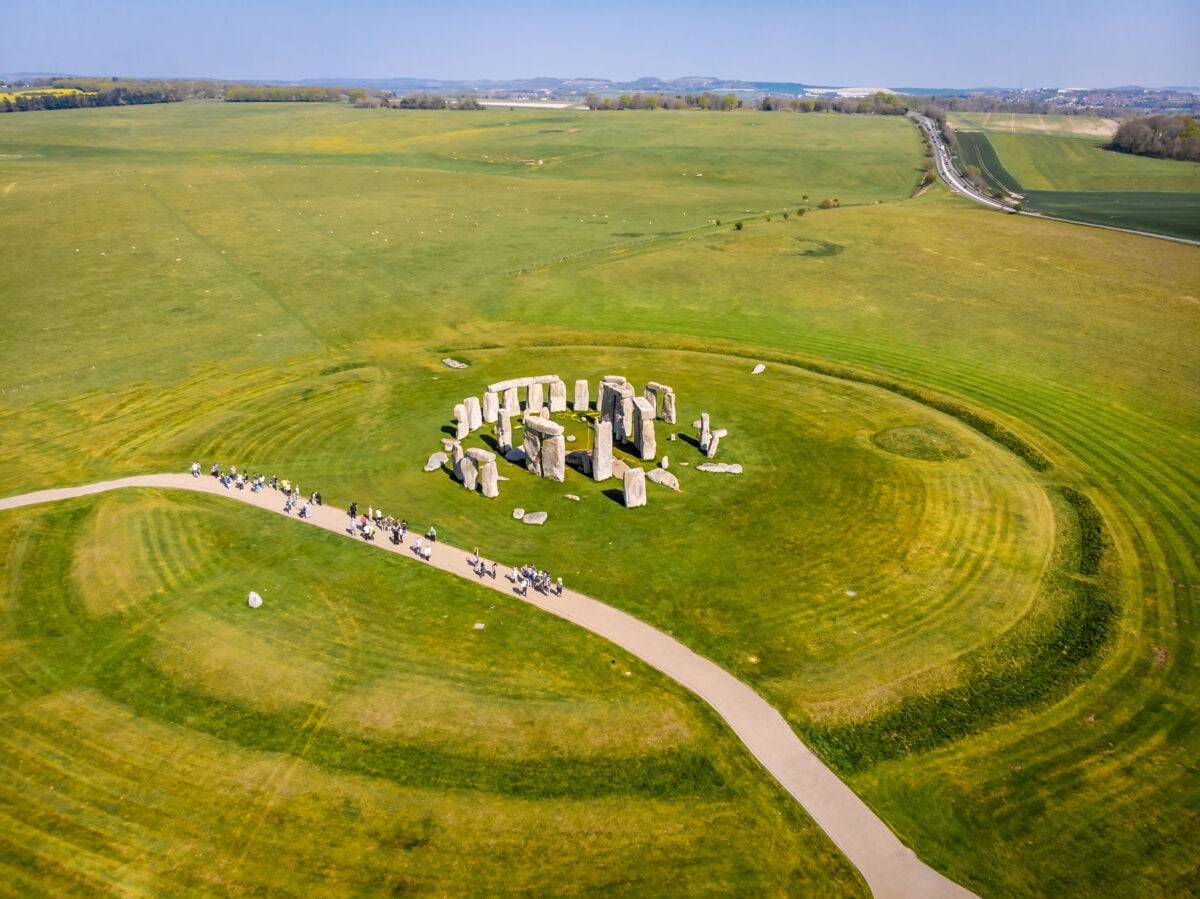
You already know Stonehenge. It is iconic, heavily studied, and tightly managed, which means you experience it from a distance and often alongside large crowds.
What many travelers miss is that there are dozens of stone circles across the UK and Europe that offer more access, fewer restrictions, and in some cases an even stronger sense of mystery.
These sites are often older or part of wider prehistoric landscapes, and they let you move freely around the stones instead of following a fixed viewing path. If your goal is to actually feel the setting rather than just see it, these alternatives can be more rewarding.
Where to See the Best Stone Circles Beyond Stonehenge
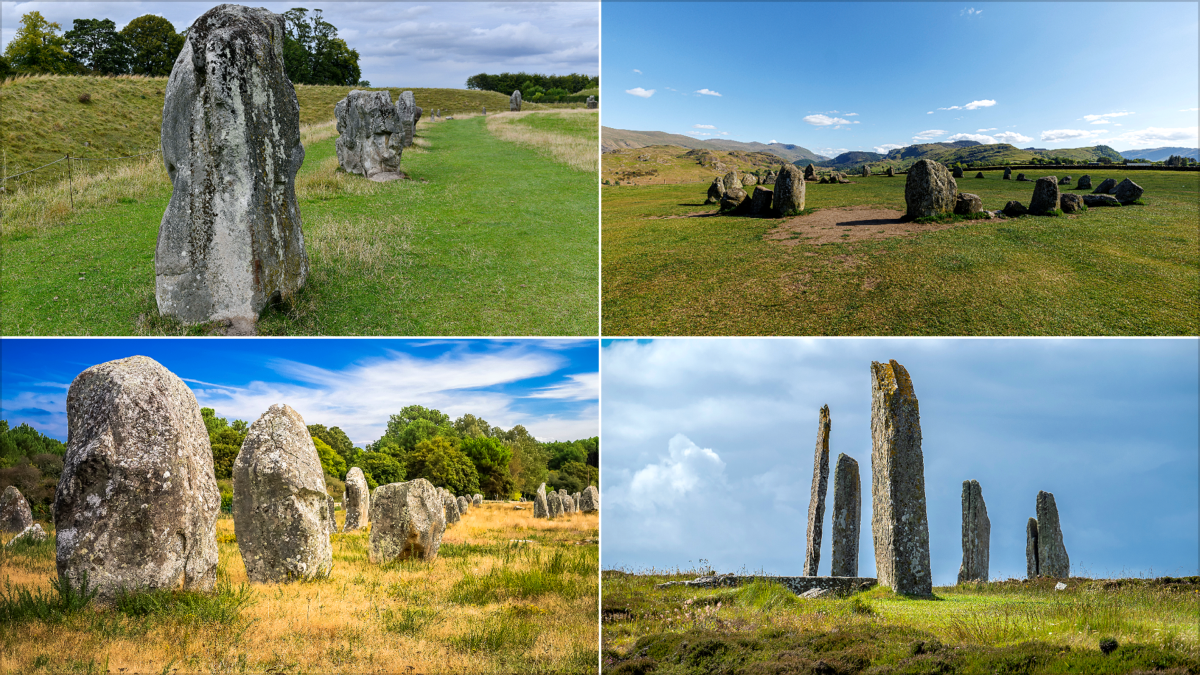
Start with Callanish in Scotland for dramatic setting and possible lunar alignments, Avebury in England for sheer scale and full walk-through access, the Ring of Brodgar in Orkney for its wider prehistoric context, Castlerigg in the Lake District for mountain views, and Carnac in France for thousands of stones across multiple sites.
Each location gives you more flexibility than Stonehenge, and in most cases you can spend time within the landscape rather than observing from afar.
Why Look Beyond Stonehenge
Stonehenge is designed around preservation and visitor control, which makes sense but changes the experience. You follow a set route, keep your distance, and move at the pace of the crowd. Many other circles remove those barriers. You can approach the stones, walk full circuits, and explore at your own speed. That freedom makes a noticeable difference because these sites were not meant to be viewed from a single angle. You start to understand scale, spacing, and alignment in a more natural way.
There is also a practical advantage. Many alternative sites are free or low cost, easier to revisit at different times of day, and less dependent on timed entry tickets. That flexibility means you can plan around light and weather, which is especially important in places like Scotland where conditions change quickly. If you are already building a UK itinerary, you can combine these sites with wider routes like the North Coast 500 itinerary for a more complete trip.
Callanish Stones, Scotland
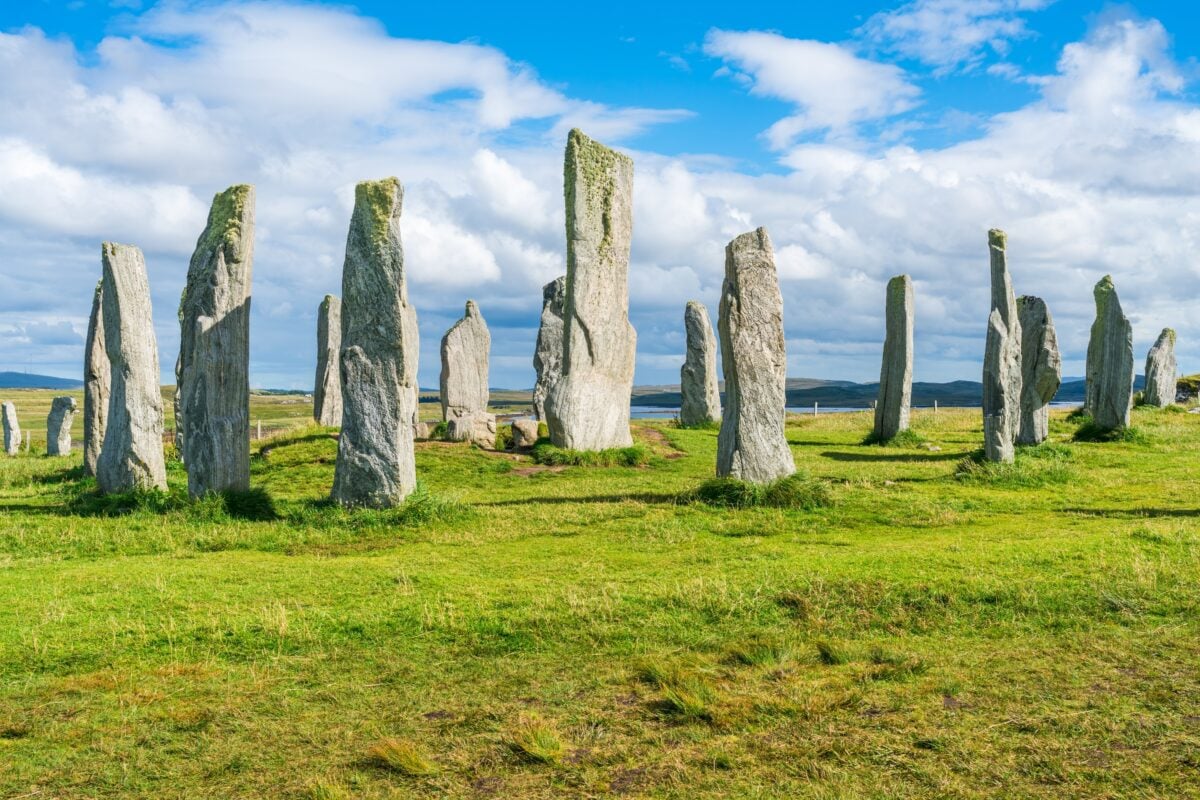
On the Isle of Lewis, the Callanish stones form a central circle with radiating lines that create a cross-like layout. The setting is open and exposed, with views stretching toward the Atlantic and low hills in the distance. The stones date to around 2900 BCE, placing them in the same broad period as Stonehenge, but the experience feels very different because of how accessible the site is and how much space surrounds it.
Some researchers link Callanish to lunar cycles, especially the 18.6 year lunar standstill. Even without focusing on theory, the layout is striking because it directs your movement and line of sight. You naturally walk the arms of the formation and look back toward the center, which creates a sense of structure that is easy to miss at more restricted sites. If you are planning a Scotland trip, this pairs well with broader routes covered in Scotland travel guides that include island travel logistics.
Avebury Stone Circle, England
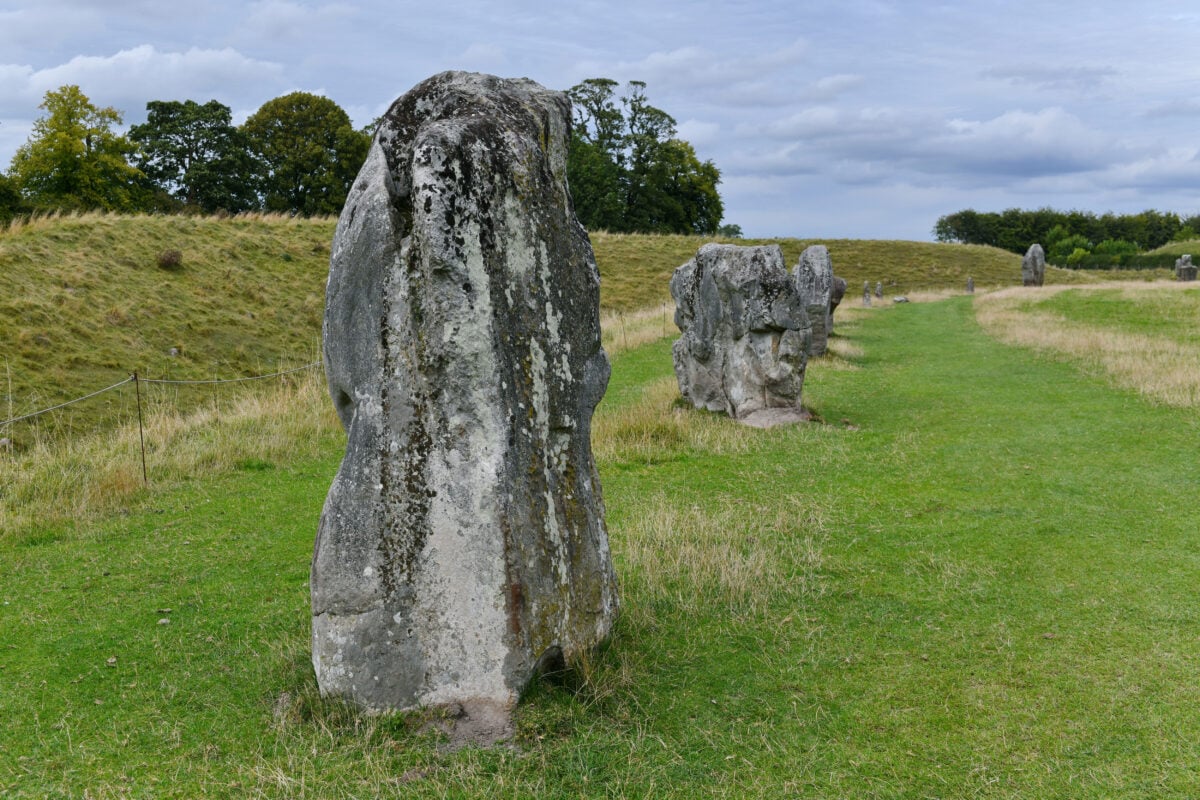
Avebury is massive and unusually integrated into daily life. The stone circle sits within a village, surrounded by a large earthwork ditch and bank that you can walk along. Unlike Stonehenge, there are no ropes keeping you back. You can stand beside the stones, walk between them, and explore multiple circles within the same site.
The scale becomes clear as you move through it. Instead of one focal point, you get a landscape of features that unfold gradually. This makes it easier to spend a few hours here without feeling rushed. It also fits well into a broader England itinerary, especially if you are combining historic sites with city stops like those outlined in a one day city itinerary style plan, where structure and pacing matter.
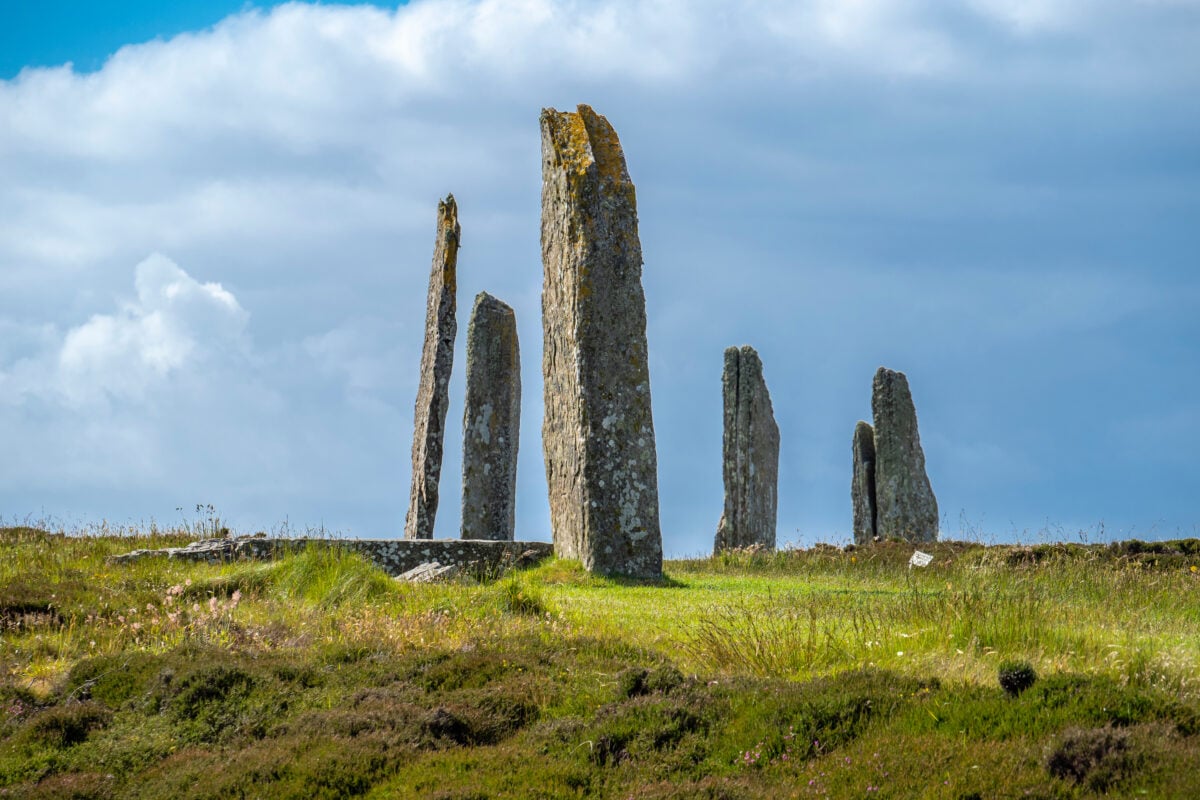
Ring of Brodgar, Orkney
The Ring of Brodgar is part of a dense prehistoric landscape that includes burial sites and settlements within a short distance. The circle itself sits between two lochs, which adds a natural boundary and makes the location feel intentional rather than isolated. Originally around 60 stones formed the ring, and many are still standing today.
What makes this site stand out is context. You are not just visiting a single monument, you are stepping into a wider system of Neolithic life. Walking between nearby sites helps you understand how these circles may have connected to daily routines, rituals, and seasonal patterns. Travel here requires more planning, but resources like how to plan a trip can help you build in ferry schedules and buffer time.
Castlerigg Stone Circle, England
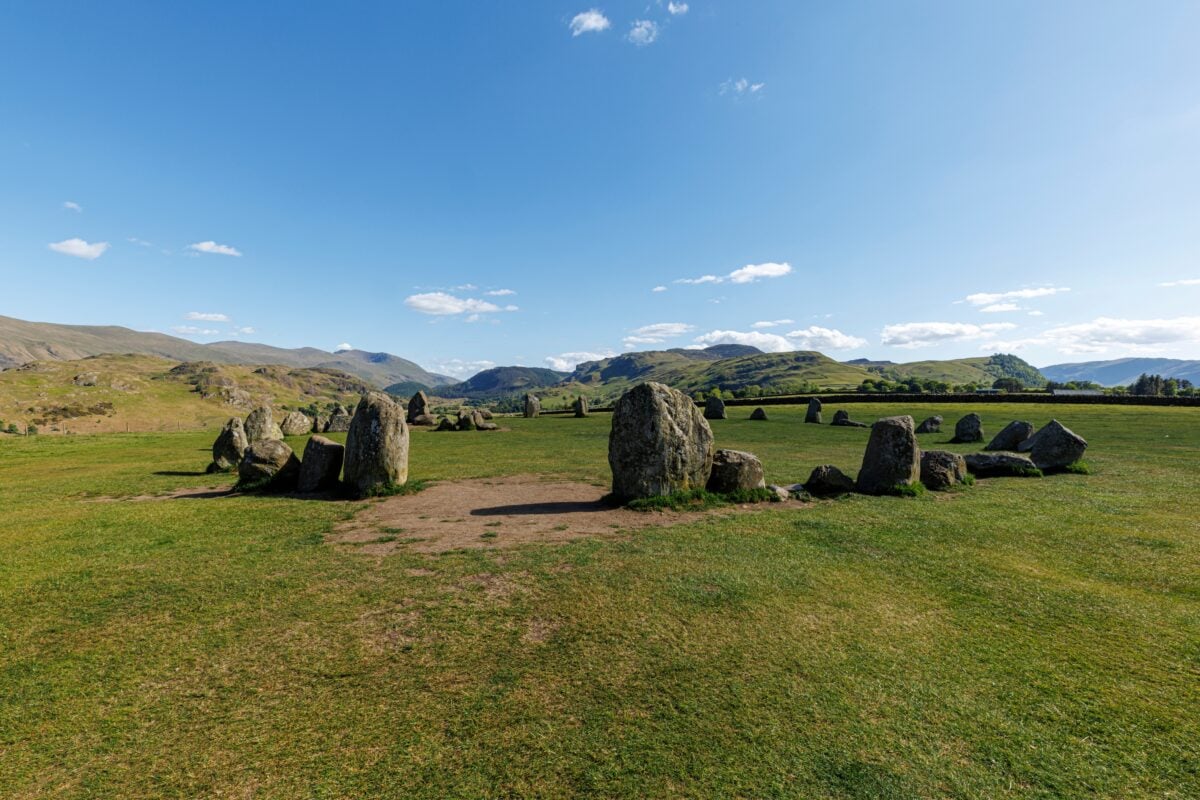
Castlerigg offers one of the most visually balanced settings of any stone circle. Located near Keswick in the Lake District, it is surrounded by high fells that create a natural backdrop in every direction. The circle itself is smaller, which makes it easier to take in as a complete structure without needing to move far.
The lack of heavy infrastructure keeps the experience simple. You walk in, explore, and leave on your own terms. That simplicity works well if you are combining it with outdoor travel, especially hiking-focused trips where gear matters. Packing properly for conditions like this is covered in guides such as hiking gear lists for changing weather, which are relevant in the Lake District.
Carnac Stones, France
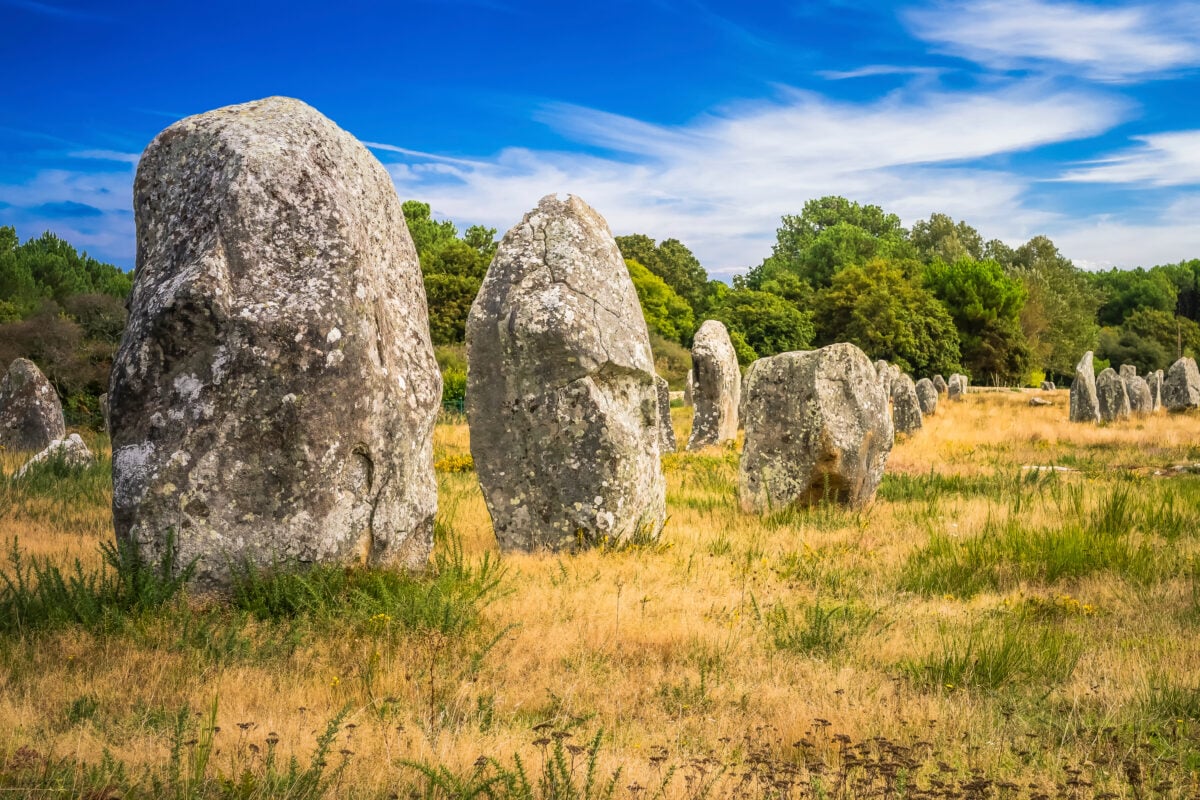
Carnac shifts the focus from a single circle to thousands of standing stones arranged in long rows and clusters. The scale is difficult to grasp until you see it in person. Lines of stones stretch across fields for kilometers, creating a sense of repetition and pattern that feels very different from isolated rings.
Access depends on the season. During peak months, parts of the site are protected and require guided tours, while off-season visits allow more freedom to move among the stones. This is one of the few locations where planning your timing carefully can change your entire experience. If you are already exploring Europe, this fits well alongside broader ideas found in European travel inspiration guides, especially if you want to mix cultural sites with coastal stops.
How These Sites Compare
| Site | Country | Access | Best For | Typical Time Needed |
|---|---|---|---|---|
| Callanish | Scotland | Close access, short walk | Atmosphere and layout | 1 to 2 hours |
| Avebury | England | Full walk-through | Scale and flexibility | 2 to 3 hours |
| Ring of Brodgar | Scotland | Perimeter paths | Context and nearby sites | 1 to 2 hours |
| Castlerigg | England | Open access | Scenery | 45 to 90 minutes |
| Carnac | France | Seasonal restrictions | Volume of stones | 2 to 4 hours |
Planning Your Visit
Timing has a direct impact on your experience. Early morning and late evening visits reduce crowds and improve light, especially for photography. Northern sites benefit from long summer days, but that comes with fast-changing weather. You should plan for wind and rain even if conditions look stable when you set out. This is particularly important in exposed areas like Orkney and the Isle of Lewis, where there is little natural shelter.
Transport is the main logistical factor. Sites like Avebury and Castlerigg are accessible by car with minimal planning, while Orkney and Lewis require ferries or flights. Build extra time into your itinerary to account for delays and connections. If you are traveling without a car, check local transport schedules in advance, as services in rural areas can be limited and infrequent.
Common Mistakes to Avoid
- Arriving at peak midday hours and expecting quiet conditions
- Underestimating travel time to island locations
- Skipping nearby sites that provide historical context
- Ignoring weather changes in exposed landscapes
Choose Access and Atmosphere Over Fame
Stonehenge remains a key historical site, but it is not the only way to experience ancient stone circles. Locations like Callanish, Avebury, and the Ring of Brodgar give you more freedom to explore and a stronger connection to the surrounding landscape.
Plan your visit around light, allow time to move through the site properly, and combine these stops with a wider itinerary where possible. You will get a deeper, more flexible experience that goes beyond simply checking a landmark off your list.
