
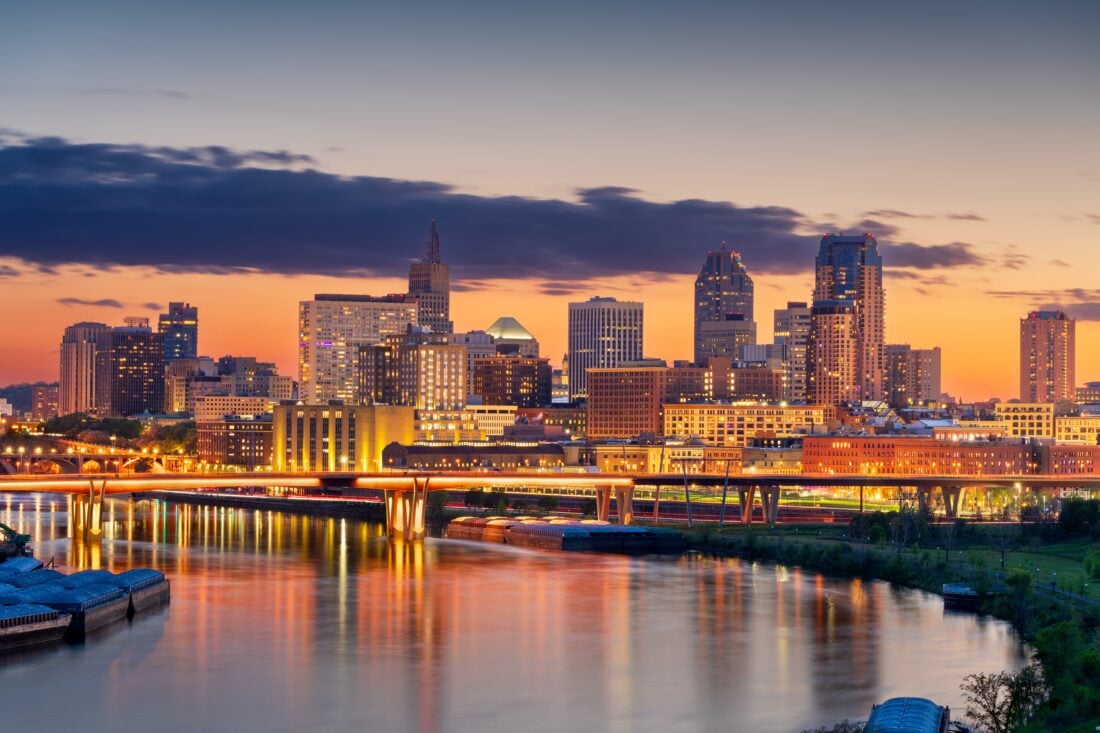
The area just outside Minneapolis offers two standout natural destinations for water and trail lovers: the Mississippi River Gorge, the only gorge on the entire Mississippi River, running through the Twin Cities from St. Anthony Falls to the Minnesota River confluence in St. Paul, and Willow River State Park in Hudson, Wisconsin, 35 miles east. Between them, you get forested limestone bluffs, a 318-mile paddling trail, a 45-foot waterfall, and 13 miles of hiking and biking routes.
If you’re visiting in spring, honestly, pack layers. Minneapolis is sitting at 43°F with overcast skies right now (as of April 2026), so it’s not exactly shorts weather yet. That said, spring is prime time for both of these spots, and interest in Minneapolis travel has been climbing steadily, with search trends peaking in January, February, and August over the past year.
Quick Facts
| Feature | Detail |
|---|---|
| Mississippi River Gorge location | St. Anthony Falls (Minneapolis) to Minnesota River confluence (St. Paul) |
| Gorge geology | Formed over 10,000 years by erosion and recession of St. Anthony Falls |
| Bird species in the gorge | Nearly 200 |
| Minnesota River Water Trail length | 318 miles |
| Willow River State Park distance from Minneapolis | 35 miles east |
| Park size | Over 2,800 acres |
| Willow Falls height | 45 feet |
| Hiking trails at Willow River | 13 miles |
What Is the Mississippi River Gorge?
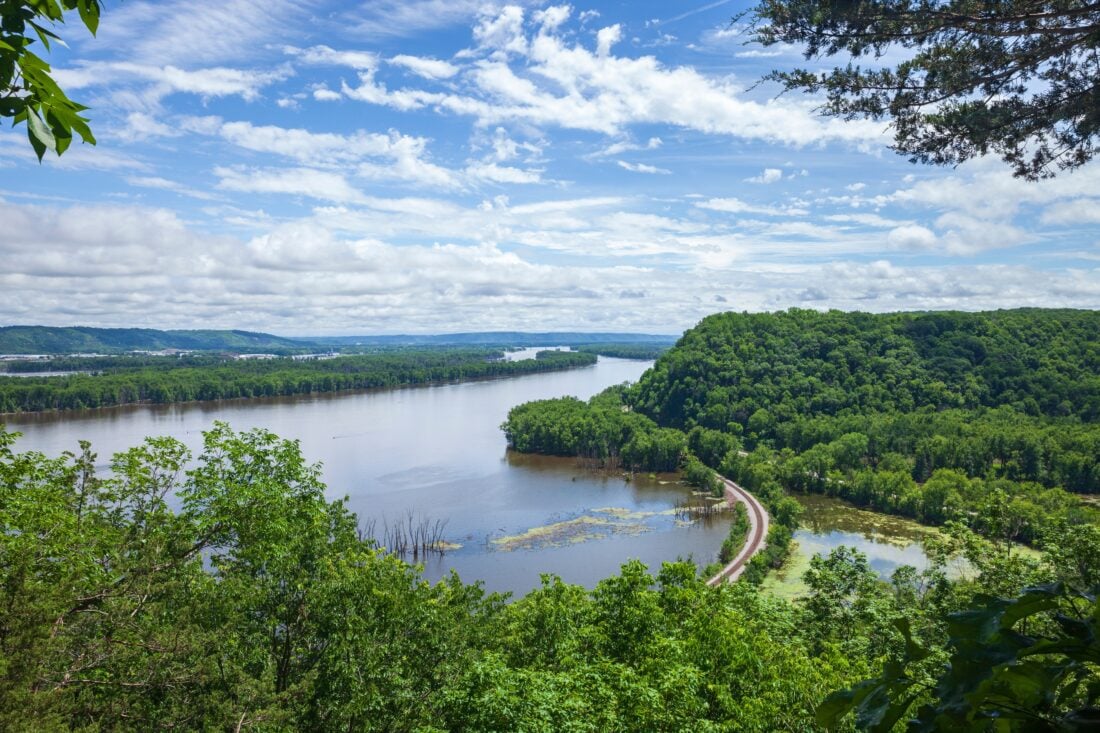
The Mississippi River Gorge is the only gorge along the full length of the Mississippi River. Forested limestone bluffs define its character as the river cuts through the heart of the Twin Cities, from St. Anthony Falls in downtown Minneapolis down to the confluence with the Minnesota River in St. Paul. The gorge sits on Dakota homelands and took around 10,000 years to form as St. Anthony Falls eroded and receded upstream, carving steep limestone and sandstone bluffs, rugged ravines, and natural springs.
Habitats within the gorge include oak savanna, hardwood forests, and prairie remnants. Friends of the Mississippi River (FMR) has led active ecological restoration here since 2002, guided by plans from local ecologist Carolyn Carr and Great River Greening, with funding from partners including the BNSF Foundation, the Minneapolis Parks and Recreation Board, and the US Forest Service.
Key Restoration Sites in the Gorge
- Sand flats at 34th Street and West River Parkway – invasive garlic mustard and buckthorn removed using non-chemical methods including critical cutting and buckthorn baggies
- Oak savanna at 36th Street – native prairie and savanna plants restored; their deep roots help prevent soil erosion into the river
- Maple-basswood forest at East 44th Street – remnant Big Woods wildflowers including Dutchman’s breeches and bloodroot are actively protected
FMR runs an annual River Gorge Earth Day cleanup that draws hundreds of volunteers. If you want to get involved, that is the main public event.
Birdwatching and Wildlife in the Mississippi River Gorge
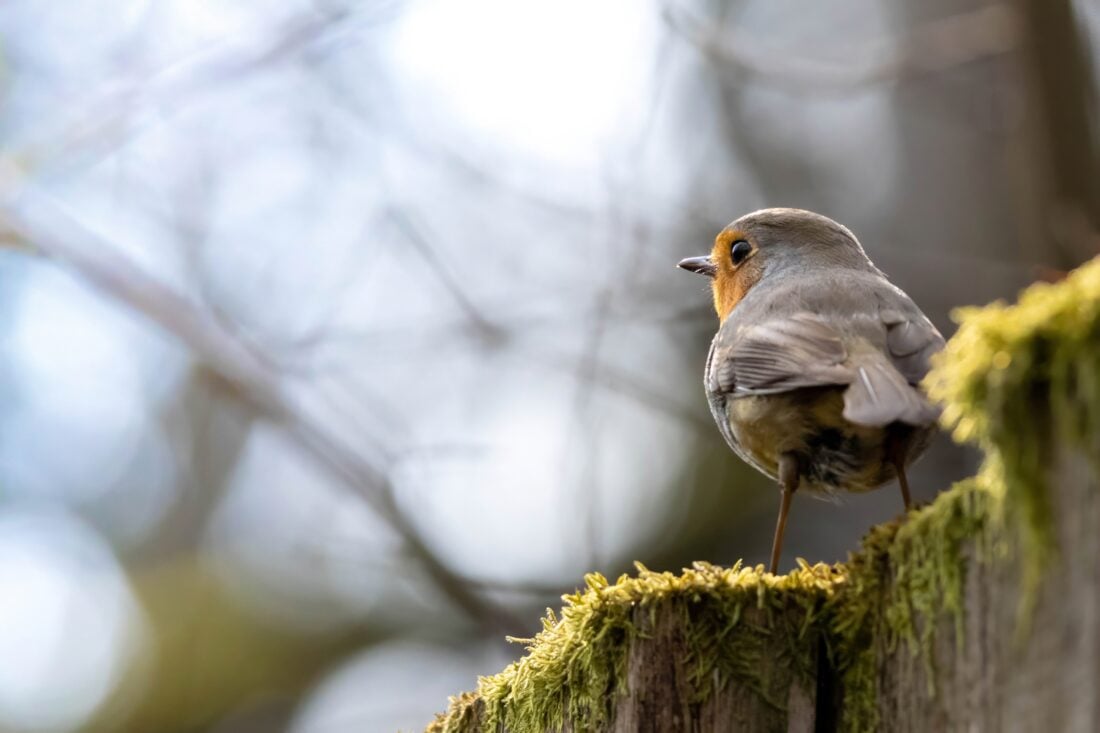
The gorge is home to nearly 200 species of birds and serves as a critical migratory stop for wildlife. Spring is the best window for both birdwatching and wildflower blooms, when species like Dutchman’s breeches and bloodroot emerge in the maple-basswood forest sections.
Mississippi River Gorge Regional Park is open to the public and has paved trails for biking and walking along West River Parkway. It is a practical day-trip option directly from Minneapolis, and turns out it pairs nicely with some of the city’s free things to do in Minneapolis if you’re trying to stretch your budget.
The Minnesota River State Water Trail: 318 Miles of Paddling
If you want serious water mileage, the Minnesota River State Water Trail runs 318 miles from Big Stone Lake in Ortonville to its confluence with the Mississippi River near Fort Snelling in St. Paul. The Minnesota DNR describes it as a gentle, placid river, with some portions carrying a Wild and Scenic River designation.
Highlights Along the Minnesota River Trail
- Lac qui Parle Lake – created by a dam built in the 1930s, this stretch offers views of prairie, forest, and waterfowl during migrations. Note: paddling is restricted during hunting season from September 20 to December 1.
- Churchill Dam – a Works Progress Administration structure from the 1930s; requires a 150-yard portage
- Granite Falls – portage of 250 yards around a hydroelectric dam; Class I-II rapids nearby
- Former Minnesota Falls Dam site – Class II-IV rapids depending on water levels
- Redwood Falls – thick forests, high ridges, and the Whispering Ridge Aquatic Management Area
- Morton – flat water experience with oxbows and an old railroad bridge through forested sections
- Priens Landing – floodplain forest; good for fishing channel catfish
- Kettner’s Landing – connects to Fort Ridgely State Park and broad floodplain areas
- Vicksburg County Park – maintained by Renville County Park Department; concrete boat ramp available
- Highway 4 Landing – recreational access with connections to the Harkin Store and Boesch Wildlife Management Area
The trail is funded in part through the Clean Water, Land and Legacy Amendment.
Willow River State Park: Waterfalls, Trails, and a Swim Beach
Willow River State Park sits 6 miles northeast of Hudson, Wisconsin, and only 35 miles east of Minneapolis, making it a realistic day trip or easy overnight. At over 2,800 acres, it packs in a lot.
Willow Falls
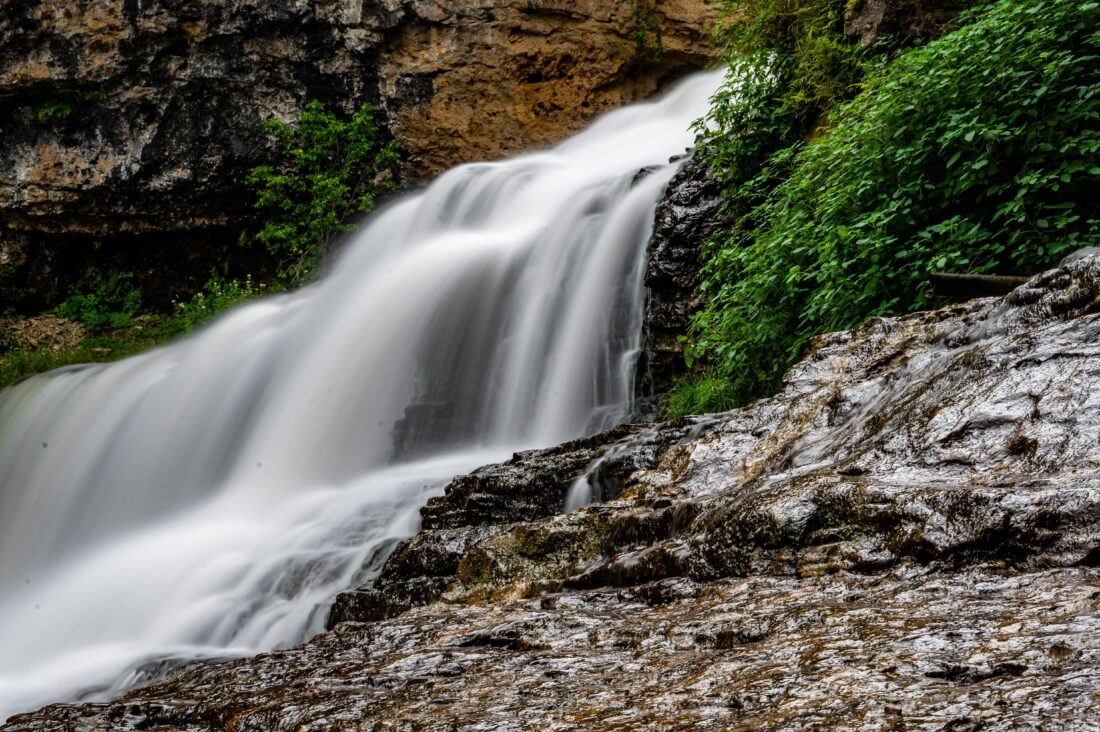
The park’s signature feature is Willow Falls, which drops 45 feet over three ledges through the Willow River Gorge, carved into limestone. It is the kind of waterfall that photographs well and is accessible without a difficult hike.
Trails at Willow River State Park
The park has 13 miles of hiking trails at varying difficulty levels.
- Little Falls Trail (Green Trail) – paved, accessible to bikes and rollerblades, good for families
- Nelson Farm Trail (Silver Trail) – steep climbs with scenic viewpoints; more demanding
- Mountain biking trails – Rabbit Run, Hawkeye, and Howlin’ Coyote, ranging from easy to difficult
Swimming, Paddling, and Fishing
Little Falls Lake is a non-motorized lake at the heart of the park. Canoe and kayak rentals are available on the lake. There is a swim beach, though it was temporarily closed in August 2025 due to elevated bacteria levels, so check current conditions before you go.
Fishing is available on Little Falls Lake and along the Willow River, with panfish, northern bass, and trout all present.
Camping at Willow River State Park
Three campgrounds serve tents and RVs with electric hookups: the 100, 200, and 300 campgrounds. The 100 campground is the newest, with 50 sites, but it has limited tree cover and little shade. The park is listed as one of Wisconsin’s most popular camping spots, so book ahead.
Which Should You Visit?
| Mississippi River Gorge | Willow River State Park | |
|---|---|---|
| Distance from Minneapolis | In the city | 35 miles east |
| Best for | Birdwatching, walking, ecological interest | Waterfall, swimming, camping, mountain biking |
| Water activity | Riverside trails, Minnesota River paddling nearby | Canoe/kayak rentals, swim beach |
| Trails | Paved riverside paths | 13 miles, paved to steep |
| Camping | No | Yes (3 campgrounds) |
| Best season | Spring (wildflowers, migration) | Summer (swimming, trails) |
For a quick urban escape with wildlife value, the Mississippi River Gorge is right there. For a full day or overnight with more varied activity, Willow River State Park is the stronger pick. And if you’re in town for a bit longer, Minneapolis has a solid live events scene too. Spring 2026 alone brings the Minnesota Twins home opener at Target Field, Florence + The Machine at Target Center, RAYE at the State Theatre, and Gwar tearing up First Avenue, so there’s no shortage of reasons to stick around after the trails. If you’re exploring more of the US while you’re at it, check out our guide to things to do in New England or things to do in New York State for more trip inspiration.
