
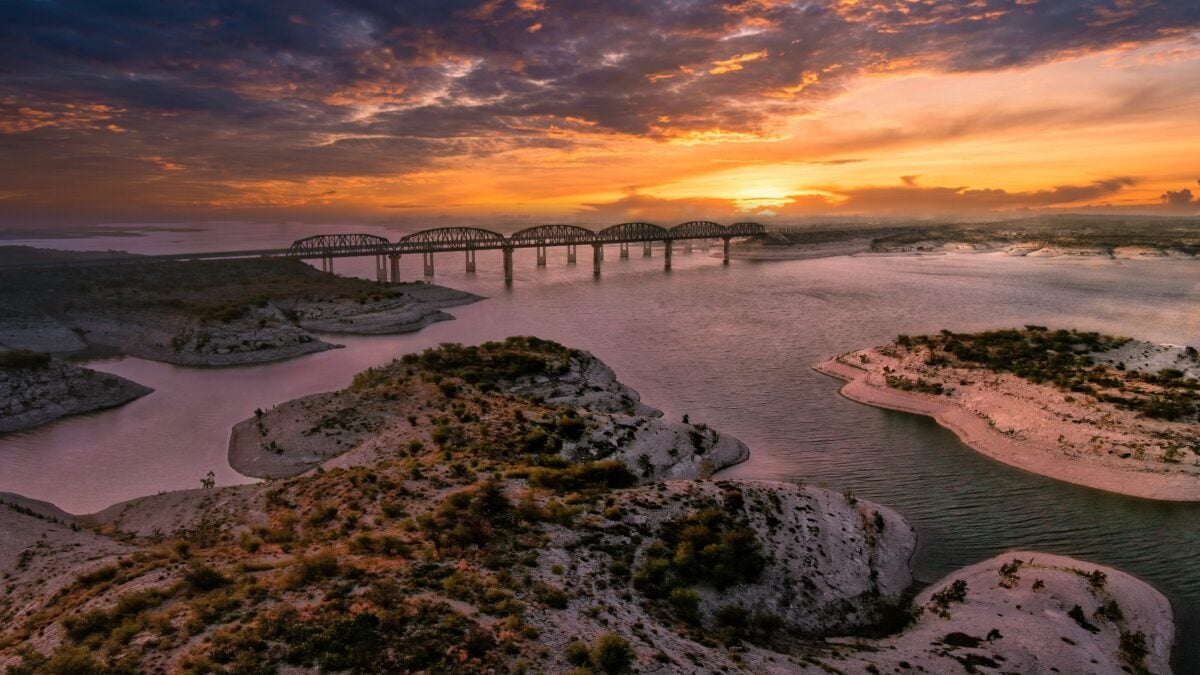
Lake Amistad is Texas’ deepest lake, reaching 217 feet at its deepest point. It sits on the U.S.-Mexico border along the Rio Grande River, about three hours west of San Antonio. The reservoir was created by the joint construction of the Amistad Dam by the United States and Mexico, and “Amistad” translates to “friendship” in Spanish. Its crystal-clear waters, fed primarily by the Devil’s River, make it a standout destination for fishing, boating, scuba diving, and general recreation. If you’re into lake trips across the U.S., this one deserves a spot on your radar.
Quick Facts: Lake Amistad at a Glance
| Detail | Info |
|---|---|
| Maximum depth | 217 feet |
| Location | U.S.-Mexico border, Rio Grande River |
| Nearest city | Del Rio, Texas |
| Nearest airport | Del Rio International Airport (30 min) |
| Recreation area | Amistad National Recreation Area (57,000 acres) |
| Key fish species | Largemouth bass, smallmouth bass, striped bass, catfish |
| Other activities | Scuba diving, boating, swimming, paddling |
Why Lake Amistad Stands Out Among Texas Lakes
Most Texas lakes are man-made reservoirs created for flood control and water storage. Lake Amistad is no different in origin, but its depth and water quality set it apart. The Devil’s River feeds the reservoir with consistently clean water, keeping conditions clear enough for scuba diving and productive enough for serious fishing.
Buoys mark the international border running through the lake. Cell service is spotty around the area, and park rangers will not assist if you cross into Mexico, so stay on the U.S. side. Honestly, this is not the place to push boundaries.
The Amistad National Recreation Area wraps around the northern shore, covering 57,000 acres of wildlife habitat. The National Park Service has mapped out several paddle trails on the U.S. side if you want to explore by kayak or canoe. Current conditions are looking pretty ideal for it too, with clear skies and 75°F temps (as of April 2026).
Fishing at Lake Amistad: What You Can Catch
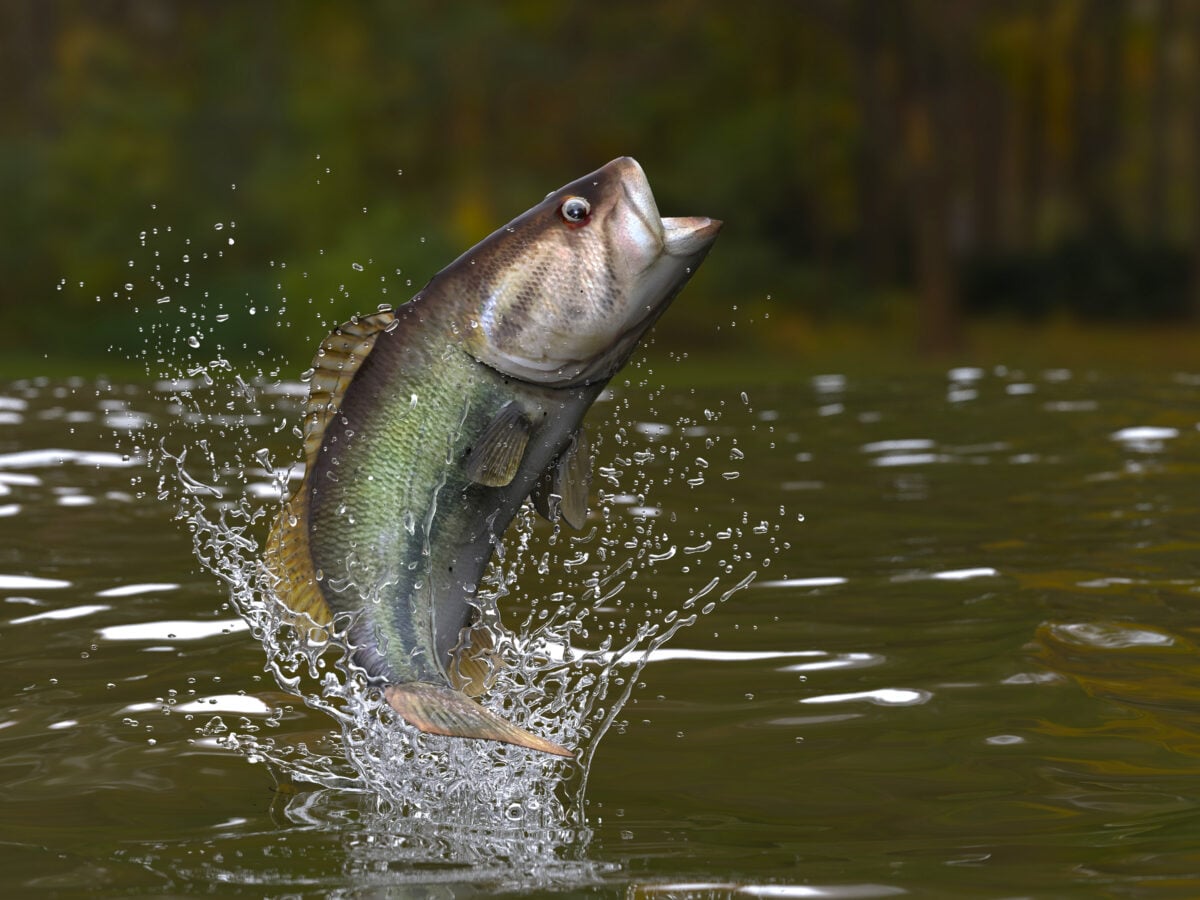
Lake Amistad is a serious fishing destination. The depth and clarity of the water support a healthy mix of species:
- Largemouth bass and smallmouth bass are the primary targets
- Striped bass are also present
- Catfish round out the catch options
- Spearfishing is permitted for non-game species
Water temperatures average around the low 50s (Fahrenheit) in winter, with average depths around 50 feet during that season. Summer temperatures climb to the mid-80s, which can encourage algae growth and reduce water clarity slightly.
Scuba Diving at Lake Amistad
The depth and transparency of Lake Amistad make it popular with scuba divers at all experience levels. The lake has designated diving areas and supports a diverse underwater ecosystem. Spearfishing for non-game species is allowed, which adds another dimension for divers who want to combine the activity with a catch. Not gonna lie, freshwater diving doesn’t always excite me, but a lake this clear at 217 feet deep is a different story.
How to Get to Lake Amistad
Del Rio International Airport is the closest airport, roughly 30 minutes from the lake. The city of Del Rio provides the main base for accommodation, with a range of chain hotels available. For those who prefer to stay closer to the water, there are five designated campgrounds within or near the recreation area.
A few practical notes before you go:
- Sun protection is essential, the West Texas heat is intense
- Watch for rattlesnakes in the surrounding terrain
- Stay hydrated, especially in summer
- Cell service is unreliable around the lake
- Do not cross the buoy line into Mexican waters
Lake Amistad vs. Lake Travis: Texas’ Two Deepest Lakes
The distinction between the two deepest lakes in Texas is worth clarifying:
- Lake Amistad (217 feet) is the deepest lake associated with Texas, but it straddles the U.S.-Mexico border
- Lake Travis (210 feet near Mansfield Dam) is the deepest lake located entirely within Texas
Lake Travis sits near Austin, stretching over a serpentine 65-mile course. It is a popular spot for boating, fishing, and swimming, and plays a significant role in flood control for the Austin area.
Other Top Fishing Lakes in Texas
If you are planning a Texas fishing trip and want to compare options, here are the lakes most frequently cited for strong fishing:
| Lake | Known For |
|---|---|
| Lake Fork | More Texas state record largemouth bass than any other lake |
| Toledo Bend Reservoir | Trophy largemouth bass, white bass, striped bass, crappie |
| Sam Rayburn Reservoir | Trophy largemouth bass, major tournaments |
| Canyon Lake | Striped bass, smallmouth bass, white bass in clear Hill Country water |
| Falcon Lake | Bass fishing near the Texas-Mexico border |
| Lake Conroe | Year-round largemouth bass, crappie, catfish near Houston |
| Possum Kingdom Lake | Striped bass, rocky cliffs, deep water |
| Lake O’ the Pines | Crappie fishing with standing timber and creek channels |
| Lake Tawakoni State Park | Catfish (nicknamed the “Catfish Capital of Texas”), hybrid striped bass |
If you’re the type who enjoys free outdoor activities around big lakes, several of these offer solid options beyond just fishing.
A Note on Caddo Lake
For context on Texas lake geography: Caddo Lake is the only naturally formed lake in Texas, created by a log jam. It straddles the Texas-Louisiana border and is better known for birdwatching, kayaking, and its cypress forests than for deep-water fishing.
Planning Your Visit to Lake Amistad
- Base yourself in Del Rio for the widest choice of accommodation
- Fly into Del Rio International Airport if you are not driving
- Camp on-site at one of the five designated campgrounds if you want early morning access to the water
- Check conditions before diving, summer algae growth can affect clarity
- Bring everything you need, services around the lake are limited and cell coverage is unreliable
Lake Amistad rewards anglers, divers, and paddlers who make the trip west. The combination of depth, clear water, and a large protected recreation area makes it a destination worth the drive. Turns out, you don’t need to head to the coast for world-class water in Texas.
