
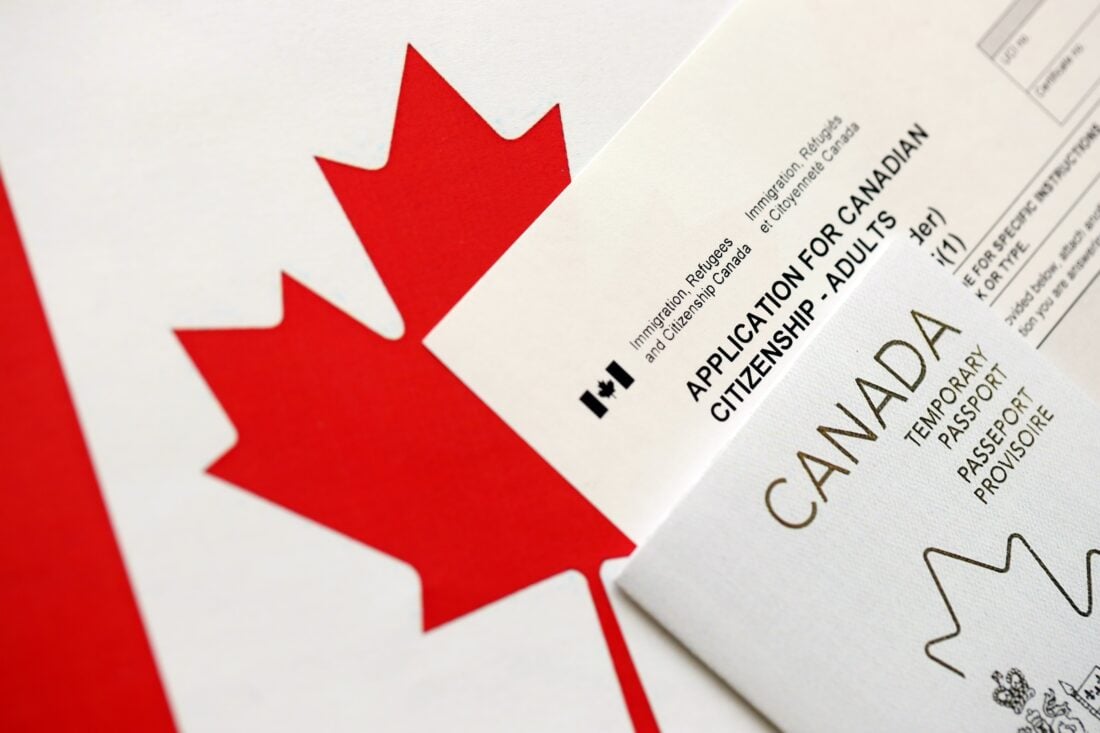
Before traveling to Canada, you need a valid passport, the right entry documents for your nationality, and awareness of what you can and cannot bring across the border. Key rules cover currency, driving, firearms, cannabis, pets, food, fishing and hunting licenses, health insurance, and cell coverage.
1. Entry Documents Depend on Where You Are From
US citizens do not need a visa to enter Canada, but a valid passport is required. Children under 16 who are US citizens can enter with a birth certificate, though carrying a photo ID alongside it is recommended.
If you are traveling with minor children who are not your own, or without the other parent, bring a letter of permission. Border officers can and do ask.
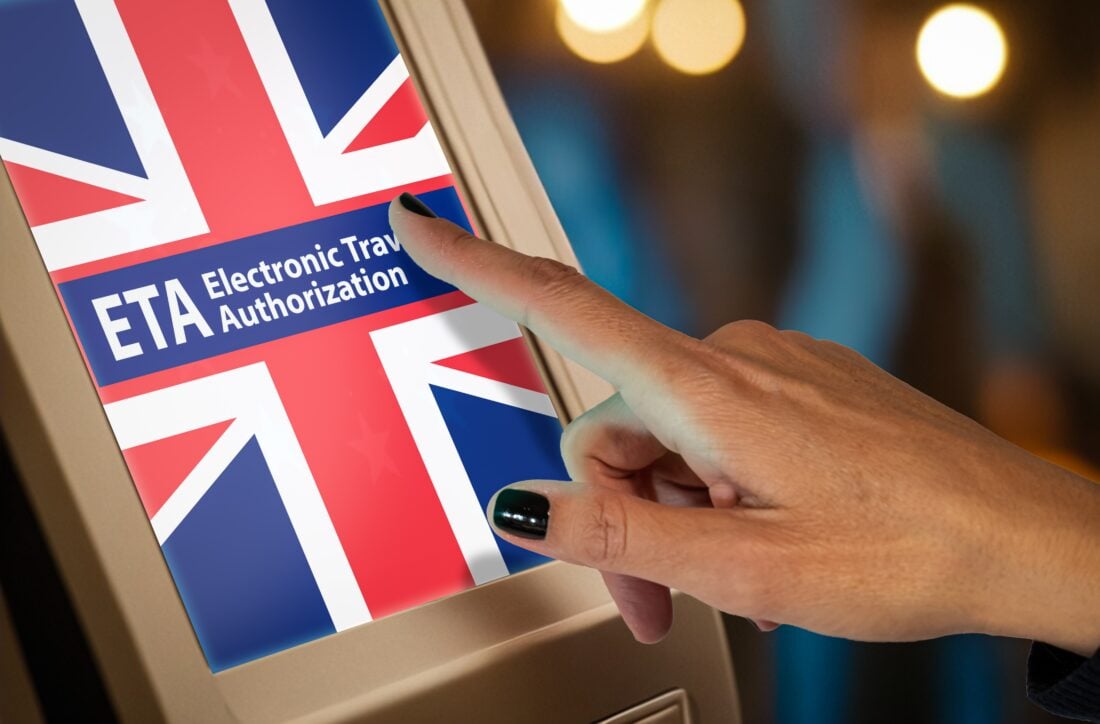
Travelers from other countries need a valid passport and may also need an Electronic Travel Authorization (ETA) or a visitor visa, depending on their country of origin. Canada’s official languages are English and French, so government signage and documents often appear in both.
If you have a criminal record, including a DUI or DWI, you may be denied entry. Honestly, this catches more people off guard than you’d think. A Temporary Resident Permit (TRP) can allow entry in some cases, but you will need to arrange this before you travel.
2. There Are No COVID-19 Restrictions for US Travelers
The Canada-US border is fully open. No vaccine proof, COVID-19 test, ArriveCAN app, or mask requirement is in place for US travelers entering Canada.
3. Use Canadian Dollars, Not US Dollars
US currency may be accepted in some places, but the exchange rate you get will almost always be worse than if you convert to Canadian dollars before or shortly after arrival. As of April 2026, £1 gets you roughly $1.84 CAD and $1 USD gets you about $1.39 CAD. Use Canadian dollars for everyday spending to get better value, and withdraw from ATMs rather than exchanging cash at airport kiosks where the markup is brutal.

4. Speed Limits Are in Kilometres Per Hour
If you are driving in Canada, your US driver’s license is valid. However, all speed limit signs are posted in kilometres per hour (km/h), not miles per hour. Adjust accordingly before you put your foot down on a highway. Canada is enormous, so if you’re planning a longer drive, brush up on general road trip tips before you go. Distances between fuel stations in northern and western provinces can be surprisingly long, and not gonna lie, it’s easy to underestimate just how far apart Canadian cities actually are.
5. Several Items Are Banned or Restricted at the Border
Canada has strict rules on what you can bring in. Know these before you pack:
- Handguns and certain weapons are prohibited. Do not attempt to bring them across the border.
- A long rifle or shotgun may be brought in for hunting, with specific conditions attached.
- Alcohol and tobacco can be imported in limited quantities duty-free.
- Cannabis is legal for adults in Canada, but you cannot take it back into the United States. Doing so is a felony under US federal law.
- Food products must all be declared at the border, even items that are permitted to enter. Certain poultry products affected by H5N1 cannot be brought in at all.
- Pets (dogs and cats) can enter Canada if they appear healthy and have a valid rabies vaccination certificate.
6. Cannabis Is Legal in Canada, But Leave It There
Adults can legally purchase and use cannabis in Canada. The firm rule: do not bring any back across the US border under any circumstances. This applies regardless of the laws in your home state. It is a federal offense.

We earn a commission if you buy through this link, at no extra cost to you.
7. Fishing and Hunting Require Licenses Obtained in Advance
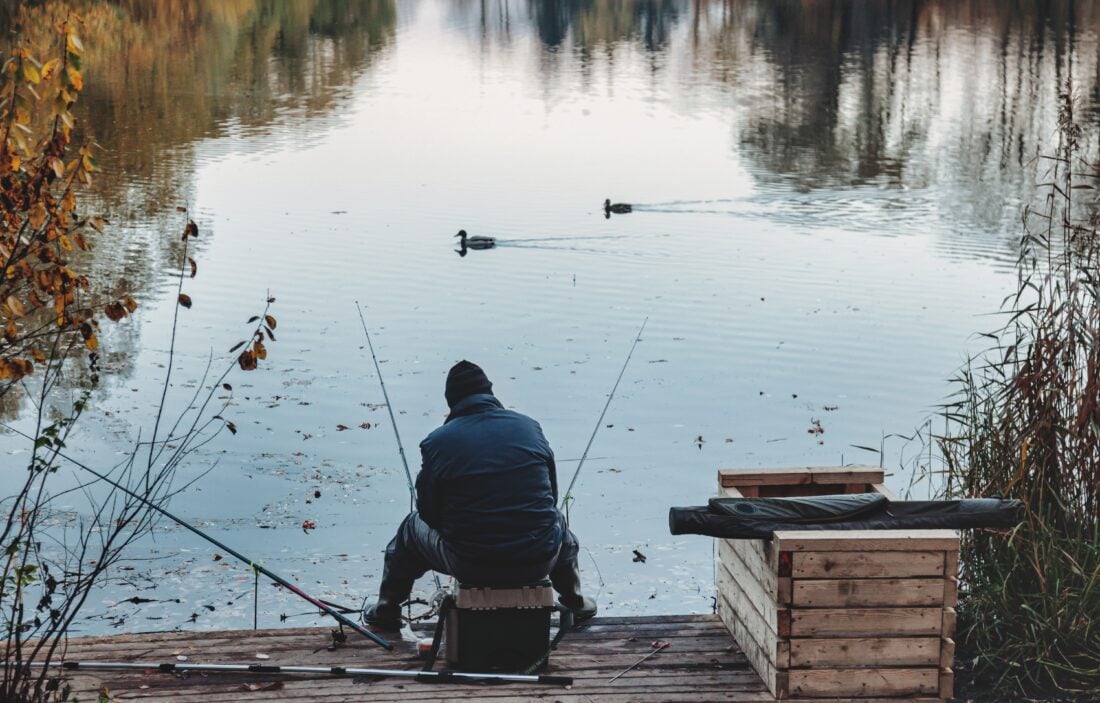
If you plan to fish or hunt in Ontario, you need a valid outdoor card and a valid fishing or hunting license before you arrive. You can get these through the Ontario Ministry of Natural Resources website.
For hunting, non-resident hunters must provide a copy of a current or expired hunting license from their home state or another state to obtain an Ontario hunting license. Some big game species require tags, which you can buy yourself or obtain through an outfitter. Wolves require both a game seal and a small game license.
Fishing rules to know for Ontario:
- You are allowed four hooks per line and one line at a time per licensed angler.
- Ice fishing permits two lines per licensed angler, but both must be within your view at all times.
- Lead jigs and sinkers are prohibited in Canadian National Parks in Ontario.
Bait Rules Are Strict in Ontario
Bringing bait from the US into Canada is prohibited to prevent invasive species from crossing the border. In Ontario’s Northwestern Bait Management Zone (BMZ), which covers almost all of Sunset Country, you must buy live bait locally. Nightcrawlers and frozen baits are currently banned from import into Ontario.
8. Boating Has Its Own Rules
If you plan to take a boat into Canada, you do not need a Pleasure Craft Operator Certificate for stays of fewer than 45 consecutive days. However, specific equipment regulations do apply, so check the requirements before you launch.
9. Sort Your Health Insurance Before You Go
Healthcare and emergency services are available in Canadian cities and towns, including throughout Ontario’s Sunset Country. However, your US health insurance may not cover medical costs incurred in Canada. A single emergency room visit without coverage can easily run into thousands of dollars, so this one really matters. Check your policy before you travel, and carry your insurer’s contact details and policy number with you in case of an emergency. If you’ve sorted out travel insurance for other destinations, the process is similar here.
10. Cell Service and Internet Coverage Can Be Patchy
In more remote areas of Canada, cell phone and internet service can be limited or nonexistent. Purchase a Canadian data or roaming plan before you go to avoid high roaming charges and to stay connected where coverage exists. Canada spans multiple time zones (the westernmost provinces operate on UTC-08:00), so keep that in mind when coordinating calls or check-ins back home. Turns out, losing signal for a few hours on a lake in northern Ontario is either your worst nightmare or the best part of the trip, depending on your personality.
Canada Travel at a Glance
| Topic | Key Rule |
|---|---|
| Passport | Required for US citizens (adults) |
| Visa | Not required for US citizens |
| ETA or visitor visa | Required for many other nationalities |
| Criminal record | May need a Temporary Resident Permit |
| COVID-19 | No restrictions for US travelers |
| Currency | Use Canadian dollars for best rates ($1 USD ≈ $1.39 CAD as of April 2026) |
| Speed limits | Kilometres per hour, not mph |
| Handguns | Prohibited |
| Cannabis | Legal in Canada; illegal to take back to the US |
| Fishing/hunting | License and outdoor card required; get them online before arrival |
| Bait | Must be purchased locally in Ontario’s Northwestern BMZ |
| Pets | Rabies vaccination certificate required |
| Food | All items must be declared at the border |
| Health insurance | Check your policy covers Canada before you travel |
| Cell service | Buy a Canadian roaming plan; remote areas may have no signal |

Frequently Asked Questions
Do US citizens need a passport to visit Canada?
Yes. US citizens need a valid passport to enter Canada. Children under 16 can enter with a birth certificate, and a photo ID alongside it is recommended. No visa is required for US citizens, but a passport is mandatory for adults.
Can I bring my dog or cat to Canada?
Yes, dogs and cats can enter Canada as long as they appear healthy and have a valid rabies vaccination certificate. Check accommodation policies separately, as individual lodges and hotels set their own pet rules.
Is cannabis legal in Canada for tourists?
Cannabis is legal for adults in Canada. You can purchase and use it legally while you are there. Do not bring it back into the United States, that is a felony under US federal law, regardless of your home state’s laws.
Do I need a fishing license to fish in Ontario as a US visitor?
Yes. Non-residents must have a valid outdoor card and a valid fishing license from the Ontario Ministry of Natural Resources. Get these online before you arrive. You also cannot bring bait from the US, so buy live bait locally within Ontario’s Northwestern Bait Management Zone.
