
San Francisco’s Chinatown is the oldest in North America, covering 24 city blocks bordered by Kearny, Broadway, Powell, and Bush Streets. It draws more visitors annually than the Golden Gate Bridge, packs over 30 Chinese restaurants into a compact grid, and holds landmarks that date back to the 1850s. Here is everything you need to plan a visit.
Getting to Chinatown
Chinatown is easy to reach without a car.
- Cable car: The California Line stops on Grant Avenue. The other two lines stop within one block.
- Bus: The 30-Stockton runs straight down Stockton Street through the heart of the neighborhood.
- Subway: A Muni stop at Stockton and Washington Streets connects to other lines.
- On foot: Chinatown is a short walk from Union Square.
- Cable car tickets: Buy via the MuniMobile App or pay exact change on board. San Francisco’s cable cars are the last manually operated cable cars in the world.
If you drive, skip street parking. The Portsmouth Square Garage and St. Mary’s Square Garage are the practical options given how congested the area gets.
The Dragon Gate: Where to Start
The official entrance to Chinatown is the Dragon Gate, at the intersection of Grant Avenue and Bush Street. Taiwan gifted it to San Francisco in 1969. The arch is decorated with dragons and koi fish, flanked by two stone lions, and carries a quote from Dr. Sun Yat Sen: “All under heaven is for the good of the people.” It is the natural starting point for any walk through the neighborhood.
Grant Avenue vs. Stockton Street: Which to Walk
These two parallel streets offer very different experiences.
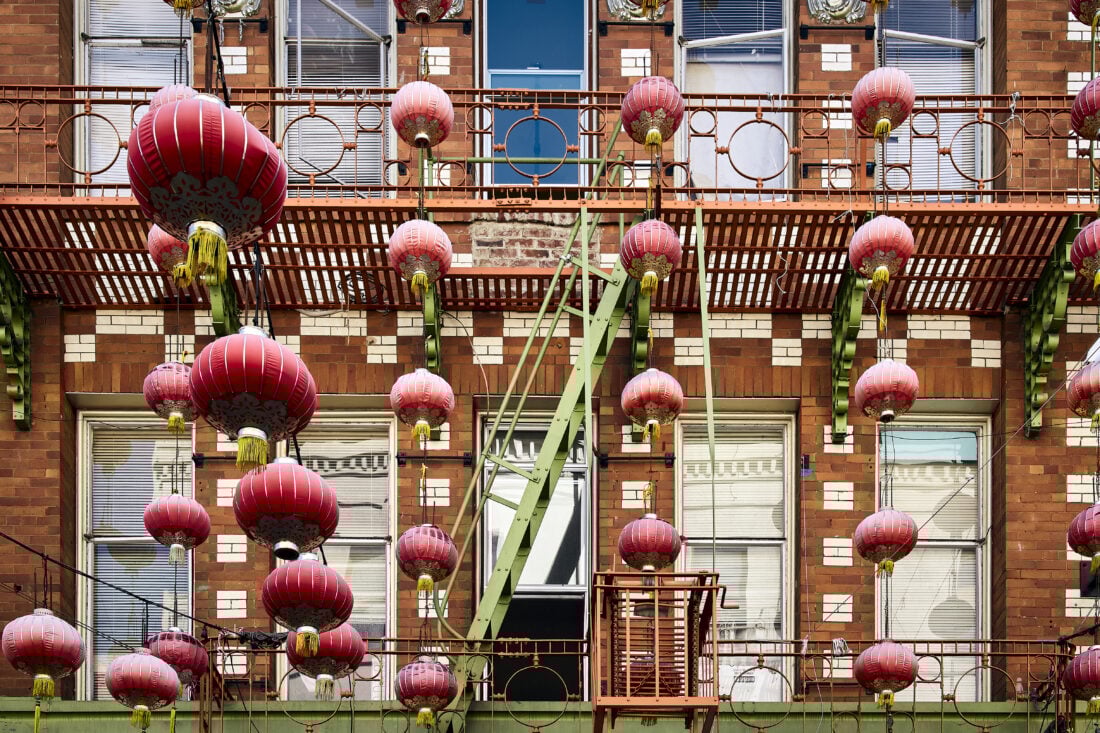
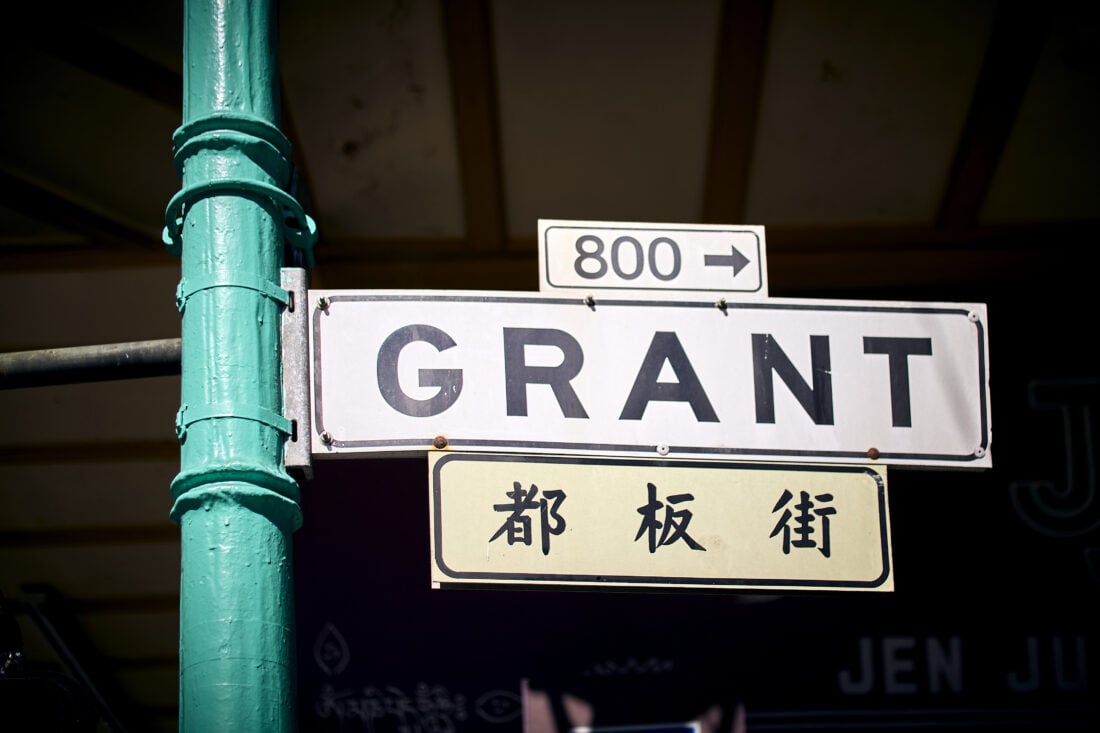
Grant Avenue is the tourist-facing spine of Chinatown. Chinese lamp posts, red lanterns, and the decorative Sing Chong and Sing Fat buildings (constructed after the 1906 earthquake specifically to attract visitors and prevent Chinatown’s relocation) line the route. Gift shops, bakeries, and restaurants fill the blocks. Colorful murals appear near the Canton Bazaar.
Stockton Street is where local residents actually shop. Prices are lower, the produce markets are authentic, and English is less commonly spoken. If you want a less curated version of the neighborhood, Stockton is the street to walk. Turns out, the best stuff in most cities is usually one block off the main drag.
The Best Things to Do in San Francisco Chinatown
Visit the Golden Gate Fortune Cookie Factory
The Golden Gate Fortune Cookie Factory sits in Ross Alley and has been running since 1962. It produces up to 10,000 cookies a day, all folded by hand. You can write your own fortune and have it inserted into a cookie for $1, or buy a jumbo fortune cookie for $5. It is a small operation in a narrow alley, and worth the short detour.
See the Tin How Temple
Tin How Temple, at 125 Waverly Place, is the oldest Chinese temple in America. Founded in 1852, it is dedicated to Mazu, the Empress of Heaven, who protects seafarers. The shrine holds statues of Chinese deities alongside offerings of fruit, lanterns, and candles. Photography is not permitted inside, and visitors are asked to be respectful of worshippers. Entry is free, though donations are welcome. You can also consult the goddess using fortune sticks, which provide cryptic poetic responses.
Note: one source places the temple on the third floor of the building; another says the fourth floor. Confirm on arrival.
Walk the Historic Alleys
Waverly Place and Ross Alley are the two standout alleys. Historically, Chinatown’s alleyways were associated with gambling dens, brothels, and opium trade. Today they are quieter and atmospheric, and walking them gives you a sense of the neighborhood that Grant Avenue does not. If you’re into spots most visitors walk right past, these alleys are up there with some of the best hidden gems in San Francisco. Guided alleyway tours, including those run by local youth through Chinatown Alleyway Tours, cover this history in detail.
Portsmouth Square
Portsmouth Square is considered the heart of Chinatown and the historical starting point of San Francisco itself. The American flag was first raised here in 1846, and gold discovered in the Sierra foothills in 1849 was first publicly announced at this square. It holds historical markers for the first public school in California and a statue commemorating the Tiananmen Square Protests and Massacre. Local walking tour guide Dorothy Quock, who was born in Chinatown and has lived there for more than half her life, begins her Wok Wiz tours here.
Old St. Mary’s Cathedral
Old St. Mary’s Cathedral, at Grant Avenue and California Street, was built in 1853 (one source gives 1854) and survived the 1906 earthquake and subsequent fire. The fire-damaged “clinker bricks” are still visible on the building. It is a national historic landmark and a gothic revival structure.
Explore Chinatown’s History and Culture
- Chinese Historical Society Museum: Located in the historic Chinatown YWCA building, it tells the story of Chinese immigrant history in America.
- Old Chinatown Telephone Exchange (now East West Bank): Once staffed by Chinese women operators fluent in Cantonese, Mandarin, and English.
- Great China Herb Company, at 857 Washington Street, is one of the oldest herbal shops in the neighborhood, recognizable by its wooden counters and cubby holes.
- Vital Tea Leaf offers tea tastings at locations on Grant Avenue (509, 905, and 1044 Grant Ave).
- Li Po Lounge, at 916 Grant Ave, is a long-standing local bar that gained wider attention after Anthony Bourdain visited in 2012. It is known for its Chinese Mai Tais and quirky interior. Not gonna lie, it makes for a solid stop if you’re planning date nights in San Francisco or just want somewhere with actual character.
Willie ‘Woo Woo’ Wong Playground
For families, the Willie ‘Woo Woo’ Wong Playground sits centrally in Chinatown. It is described as a large, clean, safe, and fun playground in the heart of the neighborhood, and a practical stop if you are visiting with young children.
Where to Eat in San Francisco Chinatown
| Restaurant | Type | Notes |
|---|---|---|
| Far East Cafe | Historic dining | Operating since the early 1920s, ornate interior, old-style family banquets, slightly pricey |
| Hang Ah Dim Sum Tea House | Dim sum | Oldest dim sum restaurant in the US, on Pagoda Place |
| Good Mong Kok Bakery | Dim sum to-go | Authentic steamed and fried dishes |
| AA Bakery & Cafe | Bakery | Wide range of baked goods |
| Mister Jiu’s | Fine dining | Contemporary menu inspired by Cantonese, Sichuan, and California cuisine, upscale |
Chinatown has more than 30 Chinese restaurants overall. Dim sum is the most popular category, and several spots open for lunch service.
Guided Tours Worth Considering
If you want context beyond what you can read on a sign, a guided tour is a strong investment.
- Wok Wiz Walking Tours: One of the oldest walking tour companies in San Francisco, led by guides including Dorothy Quock. Covers temples, markets, alleys, and the fortune cookie factory.
- Chinatown Alleyway Tours: Led by local youth, focused on the lesser-known alleyways and community history.
- Food tours: 3-hour options that include tastings and a meal.
- 2-hour small-group VW bus tour: A family-friendly format.
- SF in a Day Tour: Includes Chinatown as part of a broader San Francisco itinerary. Honestly, if you’re trying to tick off your full San Francisco bucket list, a combo tour like this can save you a lot of backtracking.
When to Visit: Events and Festivals
Two major annual events draw large crowds to Chinatown.
- Chinese New Year: The parade includes fireworks and a street fair.
- Autumn Moon Festival: Another significant community celebration.
Outside of festivals, Saturday jazz concerts at the Clarion Performing Arts Center and lion dance performances are worth checking for during your visit. If you happen to be here in the cooler months, Chinatown is also a great option on days when the fog rolls in and you need things to do on a rainy day in San Francisco, since so much of the action happens indoors or under covered alleys.
Where to Stay Near Chinatown
- San Francisco Financial District Hilton, 750 Kearny Street: Directly across from Portsmouth Square, next to the Transamerica Building. Higher floors have good city views.
- Orchard Garden Hotel, 466 Bush Street: Close to the Dragon Gate entrance.
- SW Hotel, 615 Broadway: Located inside Chinatown, close to North Beach and Coit Tower.
Is Chinatown Safe?
Chinatown is considered one of the safer areas of San Francisco for tourists. There have been reported daytime robberies, but these have primarily targeted residents rather than visitors. Standard urban awareness applies.
A Brief History
Chinese immigrants began arriving in San Francisco in large numbers during the California Gold Rush in the mid-1800s, primarily from Guangdong province. They helped build the first transcontinental railroad and worked in fishing, canning, and shipping. The 1882 Chinese Exclusion Act sharply reduced the immigrant population. The 1906 earthquake and fire destroyed Chinatown entirely. Influential merchants then commissioned rebuilding in a deliberately tourist-friendly “American” and “fairy-tale palace” architectural style to secure the neighborhood’s future in place.
Chinatown has been a dense residential community throughout its history. The median household income in the area is around $20,000 a year, and many residents live in single-room residential hotels. During the pandemic, around a third of Chinatown businesses permanently closed. Community organisations including the Chinatown Community Development Center supported recovery through meal delivery, masks, and Chinese-language media outreach.
Frequently Asked Questions
What is the best way to get to San Francisco Chinatown?
Walk from Union Square, take the California Line cable car to Grant Avenue, or ride the 30-Stockton bus down Stockton Street. There is also a Muni subway stop at Stockton and Washington Streets. Driving is possible but parking is congested; use the Portsmouth Square or St. Mary’s Square garages.
What are the opening hours for San Francisco Chinatown?
The streets are public and always accessible. Individual businesses set their own hours. Most restaurants open for lunch and dinner. The Tin How Temple has variable hours; check before visiting.
Is San Francisco Chinatown worth visiting with kids?
Yes. The Golden Gate Fortune Cookie Factory, Willie ‘Woo Woo’ Wong Playground, Grant Avenue’s lanterns, and the cable car stop all work well for families. For younger children, flexible self-guided exploration tends to work better than structured tours.
How long should you spend in San Francisco Chinatown?
Two to four hours covers the main sights comfortably: the Dragon Gate, Grant Avenue, Stockton Street, Ross Alley, Waverly Place, and a meal. A full guided food or history tour can extend that to half a day.
