
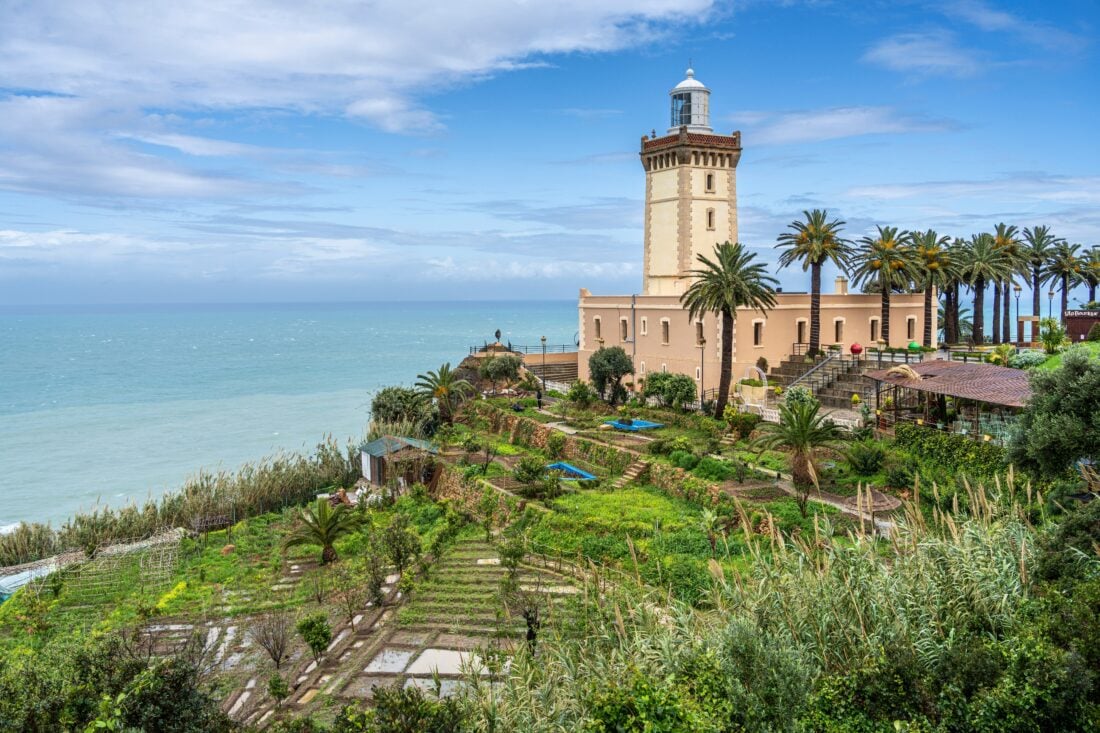
Tangier sits at the northern tip of Morocco where the Atlantic Ocean meets the Mediterranean Sea, and it packs a remarkable amount of history, architecture, and culture into a compact city. The medina, the Kasbah, the Caves of Hercules, and Cap Spartel are the headline attractions, but the city also rewards slower exploration through its historic cafes, literary past, and coastal promenade.
Currently sitting at a pleasant 62°F with a few clouds (as of April 2026), it’s a comfortable time to wander without melting. Interest in Tangier travel has been rising steadily over the past year, with peaks in August and the winter months, so visiting in spring means you’re ahead of the crowds.
Quick Answer: What Are the Best Things to Do in Tangier?
The top things to do in Tangier are exploring the medina and Kasbah, visiting the Caves of Hercules and Cap Spartel, seeing the Tangier American Legation Museum, having mint tea at Cafe Hafa, and wandering the Grand Socco and Petit Socco squares. A full day covers the highlights; two days lets you go deeper.
Exploring the Medina of Tangier
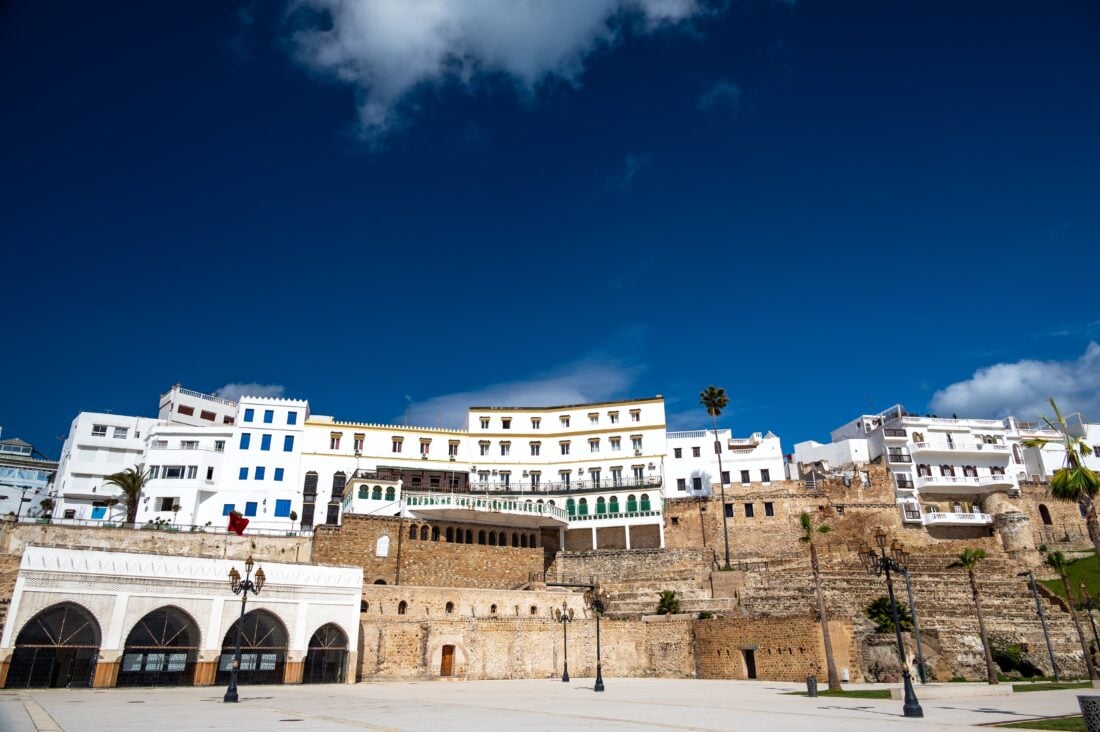
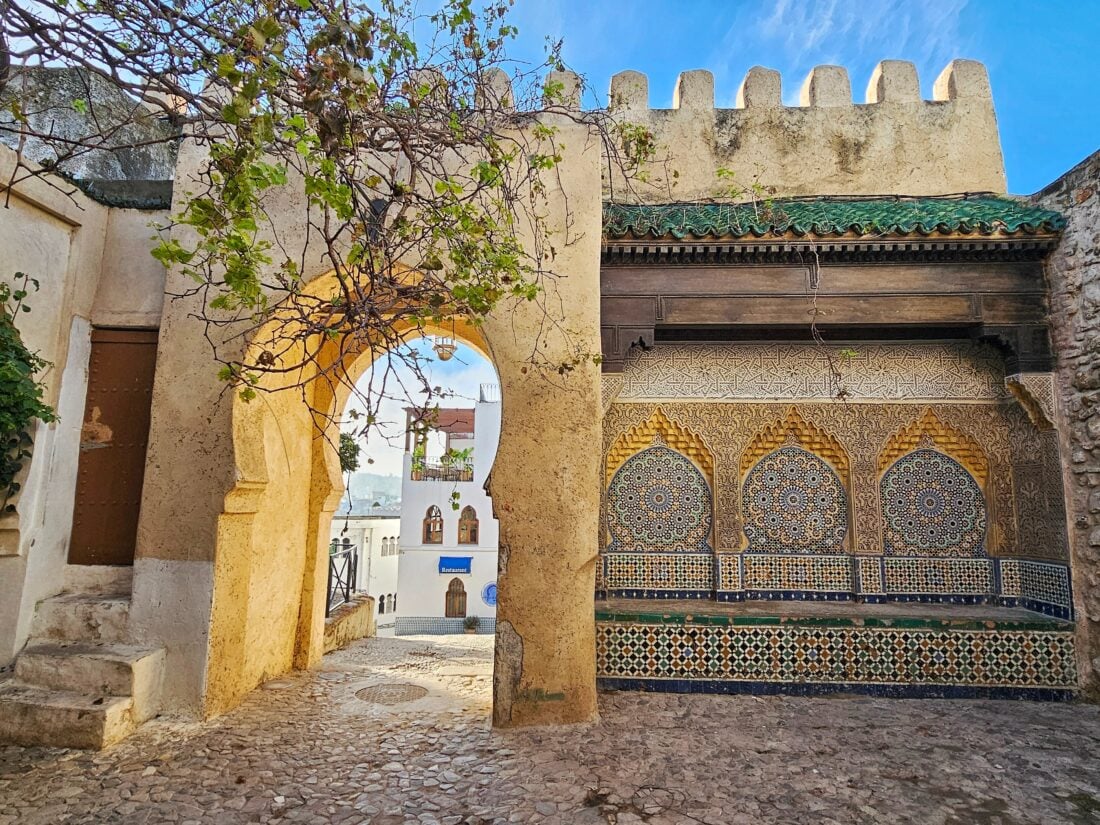
The Medina of Tangier is the walled old city, and it is the starting point for any visit. Narrow alleyways open onto market stalls, mosques, riads, and cafes. The houses are painted in shades of yellow, pink, and green at street level, making it more colorful than many Moroccan medinas.
The medina is not enormous, so getting genuinely lost is unlikely, but navigation is still tricky. Phone signal can drop inside the walls, so download an offline map before you go. If someone offers to guide you, be aware that a tip is usually expected.
Key spots inside the medina:
- Grand Socco (also called Souk Ibarra by locals) – the central plaza with market stalls selling fresh produce and traditional crafts, and the Art Deco Cinema Rif on its edge, which screens arthouse films and doubles as a cafe
- Petit Socco – the smaller square between the Grand Socco and the port, historically a hub for European diplomats and still lined with cafes and shops
- Rue Siaghine – the main road connecting the Grand Socco with the Grand Mosque, worth a walk for its balconied buildings
- Grand Mosque – built in the early 1800s on the site of a former Portuguese church, notable for its decorated minaret; non-Muslims cannot enter but the exterior is worth seeing
- St. Andrew’s Church – completed in 1905 in Moorish style, one of the oldest Anglican churches in North Africa, with a Lord’s Prayer in Arabic above the altar and graves of former English residents in its overgrown churchyard; open Monday to Sunday 10:00-13:00 and 15:00-17:00 except Fridays, free admission
- Gran Teatro Cervantes – built by the Spanish in 1913 on Rue Anoual, once one of the most prestigious theaters in North Africa; the interior is closed due to ongoing restoration disputes, but the Art Deco facade is worth a look
- Tomb of Ibn Battuta – a modest but significant marker in the western part of the medina, honoring the 14th-century explorer who was born in Tangier
The Kasbah: What to See at the Top of the Medina
The Kasbah sits at the highest point of the medina, reached by steep stairs. The climb is worth it for the views and for the historic sites concentrated within its walls.
- Kasbah Museum (formerly Dar el Makhzen, the Sultan’s Palace) – the most popular museum in Tangier, with archaeological and ethnographic artifacts from northern Morocco, including Moroccan art and Roman ruins
- Contemporary Art Museum – also located within the Kasbah
- Ibn Battuta Museum – dedicated to the Tangier-born explorer, with interactive exhibits about his extensive travels
- Bab Al Bahr (Gate to the Sea) – a lookout point near the Kasbah Museum entrance with views over the strait; on a clear day you can see Spain
- Phoenician Tombs – located just outside the Kasbah, near Cafe Hafa, with rock carvings and Roman artifacts; often partially filled with water
The Kasbah Museum is open Monday to Friday 10:00-17:00 and Saturday to Sunday 10:00-15:00, closed on Moroccan holidays.
Caves of Hercules and Cap Spartel
These two natural attractions sit about 14 km west of Tangier and are usually visited together.
Cap Spartel is the point where the Atlantic and Mediterranean meet. The cape rises to 326 m above sea level, giving sweeping views over the Strait of Gibraltar. A lighthouse stands at the end of the cape and houses a small museum. Cap Spartel has been the site of several naval battles through history.
The Caves of Hercules (Les Grottes d’Hercule) are a few kilometers further along the coastal road. The caves have both natural and man-made sections. The natural section is free; the man-made section costs 5 MAD to enter. The sea-facing opening is the famous part: viewed from inside, it looks like the outline of the African continent. The path into the cave is paved, so it is accessible in any weather.
Getting there: take a petit taxi or the Hop On Hop Off bus from the city center, costing approximately 100 MAD.
Historic Cafes You Should Not Skip
Tangier has a strong cafe culture tied directly to its literary and artistic history, and several of these places are attractions in their own right. Honestly, even if you’re not a history buff, just sitting in one of these spots with a glass of mint tea and watching the city go by is one of those moments that sticks with you.
Cafe Hafa was established in 1921 on a cliffside overlooking the Mediterranean. The Beatles visited, and the cafe is still serving Moroccan mint tea (7-10 dirhams a glass) alongside bissara soup and snacks. The atmosphere is chaotic but the ocean views are excellent.
Gran Cafe de Paris, opened in 1927, was a gathering spot for writers including Jack Kerouac, Paul Bowles, William Burroughs, and Tennessee Williams. It remains a working cafe today.
Cafe Baba, established in 1943, is historically associated with the Rolling Stones and is known for mint tea, coffee, and a time-capsule atmosphere.
Central Cafe in the medina was the regular haunt of the American Beat writers in the 1940s and 1950s and is still popular with visitors.
Tangier American Legation Museum
The Tangier American Legation Museum is a US National Historic Landmark and the first American public property outside the United States. It sits just off one of the medina’s winding streets in the southern part of the old city.
The museum covers the history of diplomatic relations between Morocco and the United States, houses American artwork including James McBey’s painting Zohra (nicknamed the ‘Moroccan Mona Lisa’), and has a dedicated section on Paul Bowles, who lived in Tangier for over 50 years. It also functions as a cultural center and research library.
Tangier’s Coastline and Beaches
The Corniche, Tangier’s seaside promenade, runs along the coast and is lined with restaurants and cafes. It gives views toward Cap Malabata and across the strait toward Tarifa in Spain.
Beach options:
- Plage Municipale and Plage Malabata – accessible from the Corniche, good for lounging
- Merkala Beach (also called Casino Beach, near the Tangier Casino Hotel) – recommended for snorkeling
- Playa de la Alcazaba – better suited for swimming
- For Blue Flag-quality water, head outside the city center to beaches further along the coast
Beach activities include sunbathing, swimming, kayaking, and jet-skiing.
Getting Around Tangier
- Petit taxis are light blue, fit up to three people, and use a meter for short city rides
- Grand taxis are larger and used for longer distances or trips to surrounding towns; it is common to share one with other passengers
- Careem (ride-sharing app) is recommended for city center travel for ease and predictability
- Hop On Hop Off bus runs 9am-6pm (April to October) and 9am-5pm (November to March), covering 11 stops; tickets cost 130 MAD and are valid for 48 hours, purchasable on the bus
- Public buses run city-wide; tickets cost 3.5 dirhams
- Taxis from Tangier International Airport to the city center have a fixed price of 100 MAD
Day Trips from Tangier
| Destination | What It Offers | How to Get There |
|---|---|---|
| Chefchaouen | Blue-painted buildings, mountain setting | Bus or taxi |
| Tetouan | UNESCO-listed medina, traditional Moroccan life | Bus or taxi |
| Tarifa, Spain | Quick European day trip | Ferry from Tanger Ville (approx. 1 hour) |
| Gibraltar | British territory, historic rock | Ferry to Algeciras, then onward |
| Asilah | Coastal town, Borj al Kamra fortress (built 1509) | Train (19-50 MAD) or taxi |
| Rabat | World Heritage Site, mix of historical influences | Train or bus |
| Ruins of Lixus | Roman-Berber ruins, 88 km south of Tangier | Car or taxi |
If you enjoy exploring cities with a mix of old medinas and newer neighborhoods, you might also like our guide to things to do in Delhi, which has a similar energy of sensory overload in the best way. And if you’re crossing the strait into Spain and heading south, our roundup of fun things to do in Granada on a budget is worth bookmarking.
Where to Eat in Tangier
- Restaurant Saveur de Poisson – fixed menu of Moroccan bread, fish, skewers, and seasonal dessert; considered a Tangier institution
- Restaurant Bachir – home-cooked Moroccan food at affordable prices, on Rue Zyriabe
- Dar Naji – slow-cooked tagine and couscous in a traditional Arabic setting
- Le Bistro du Petit Socco – Moroccan food with French influences, mid-range pricing
Where to Stay in Tangier
| Budget | Property | Notes |
|---|---|---|
| Backpacker | Tanja Lucia Hostel | Doubles as an art gallery, rooftop terrace with medina views |
| Backpacker | Tangiers Hostel | Comfortable and well-regarded |
| Budget | Hotel Marrakech | Simple, safe lodgings |
| Boutique | Palais Zahia Hotel | Beautiful rooms and terrace |
| Guesthouse | Dar Nour | Luxury private rooms in the Kasbah, terrace access |
| Riad | Riad Tingis | Sea views, flat-screen TV, free WiFi |
| Luxury | Kasbah Rose | Bright rooms with great views |
| Luxury resort | Hilton Tangier Al Houara Resort & Spa | 5-star oceanfront, 40 minutes from city center, free shuttle |
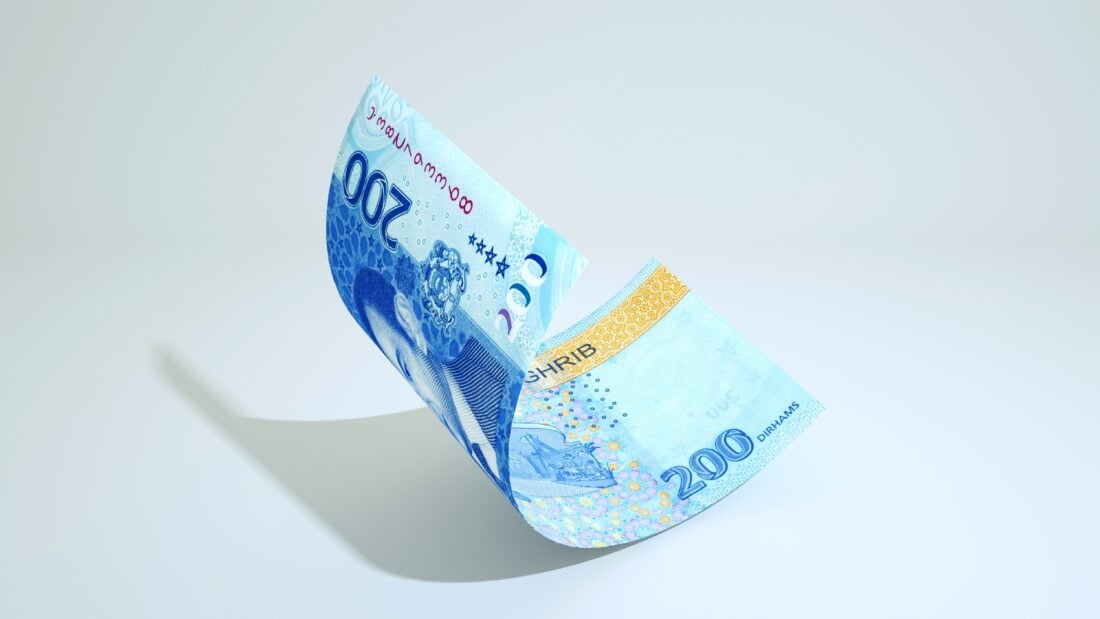
Staying near or inside the medina gives the most convenient access to the main sights. Budget rooms in the medina area are available from around 40 euros a night. The local currency is the Moroccan dirham (MAD), and Arabic and Berber are the primary languages, though French and Spanish are widely spoken in Tangier too.
Practical Tips for Visiting Tangier
- Souks are less busy on Sundays with fewer stalls open, so go another day for the full market experience
- Haggling is expected in the souks; have a rough idea of prices before you start
- Public drinking is prohibited; alcohol is available at specific shops like Casa Pepe and Le Patrice Market
- Petty theft is the main safety concern, so stay alert in crowded areas
- Medina phone signal can be unreliable; download an offline map before entering
- The Lonely Planet Moroccan Arabic Phrasebook is a useful companion for communication
- Morocco operates on UTC, so if you’re coming from Spain you’ll want to adjust your watch back an hour
Frequently Asked Questions
How many days do you need in Tangier?
One full day covers the main highlights: the medina, Kasbah, Caves of Hercules, and Cap Spartel. Two days lets you explore at a slower pace, visit the American Legation Museum, spend time in the historic cafes, and take a short day trip. Not gonna lie, if you’re the type who likes to linger over mint tea and wander without a plan (guilty), two days feels right.
Is Tangier worth visiting?
Yes. Tangier has a distinct atmosphere shaped by its position between Europe and Africa, its international zone history (1923-1956), and its literary past. The medina, the natural attractions outside the city, and the historic cafes make it a genuinely interesting stop. If you enjoy cities where layers of history pile up in unexpected ways, you’ll find similar vibes in places like Cartagena or Edinburgh.
What is the Tangier American Legation Museum?
The Tangier American Legation Museum is the first American public property outside the United States and a US National Historic Landmark. It documents Morocco-US diplomatic relations, holds American artwork, and includes a section on writer Paul Bowles, who lived in Tangier for over 50 years.
How do you get to the Caves of Hercules from Tangier?
The Caves of Hercules are 14 km west of the city. Take a petit taxi or the Hop On Hop Off bus for approximately 100 MAD. The natural section of the caves is free; the man-made section costs 5 MAD. Cap Spartel is nearby and easy to combine in the same trip.
