
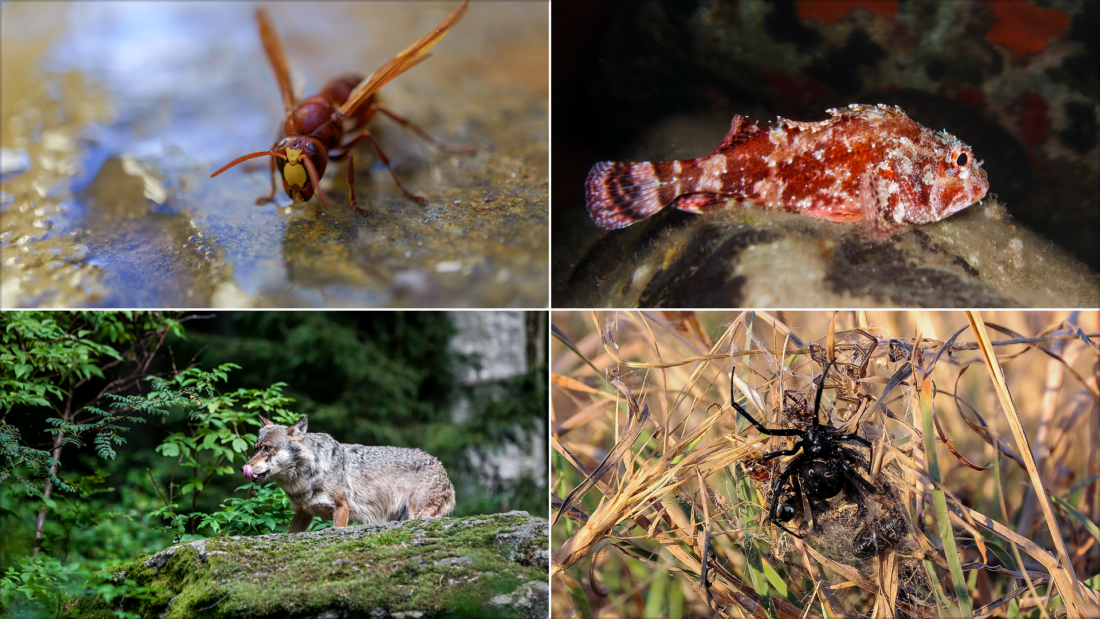
Italy has no apex predators that routinely threaten humans, but its coastlines, mountains, and forests do host animals that can cause serious harm. The main risks are venomous vipers, jellyfish, aggressive wild boar, venomous marine fish, and a handful of spiders. Knowing what lives where, and what to do if you cross paths with it, is straightforward preparation.
The most dangerous animals in Italy include vipers (five species, all venomous), Pelagia noctiluca jellyfish, wild boar, oriental hornets, the Mediterranean black widow spider, and several venomous marine fish. Fatalities are rare but possible. Most risks are manageable with basic awareness and the right footwear.
Venomous Snakes in Italy: Vipers
Vipers are the only venomous snakes found in Italy. There are five species: Vipera aspis, Vipera berus, Vipera ammodytes, Vipera ursinii, and the Walser Viper (Vipera walser). Three of the five are considered potentially lethal to humans.
You can identify a viper by its triangular head, stout body, and short tail. The body tapers gradually and visibly from head to tail. A bite leaves two red puncture marks roughly one centimetre apart.
Vipera ammodytes (Nose-Horned Viper)
This is the most dangerous viper in Italy. It carries hemotoxic venom and is identified by a small horn on the tip of its nose. It is found mainly in northeastern Italy, including the Dolomites, the Piave valley, Friuli Venezia Giulia, and Veneto. Despite its potency, it is shy and tends to avoid contact.
Vipera aspis (Asp Viper)
The asp viper is found in hills and mountains across Italy, including the Alps, where the subspecies Vipera aspis atra lives at altitudes above 2,500 metres. It reacts quickly when threatened. Its venom is serious but generally non-lethal to healthy adults.
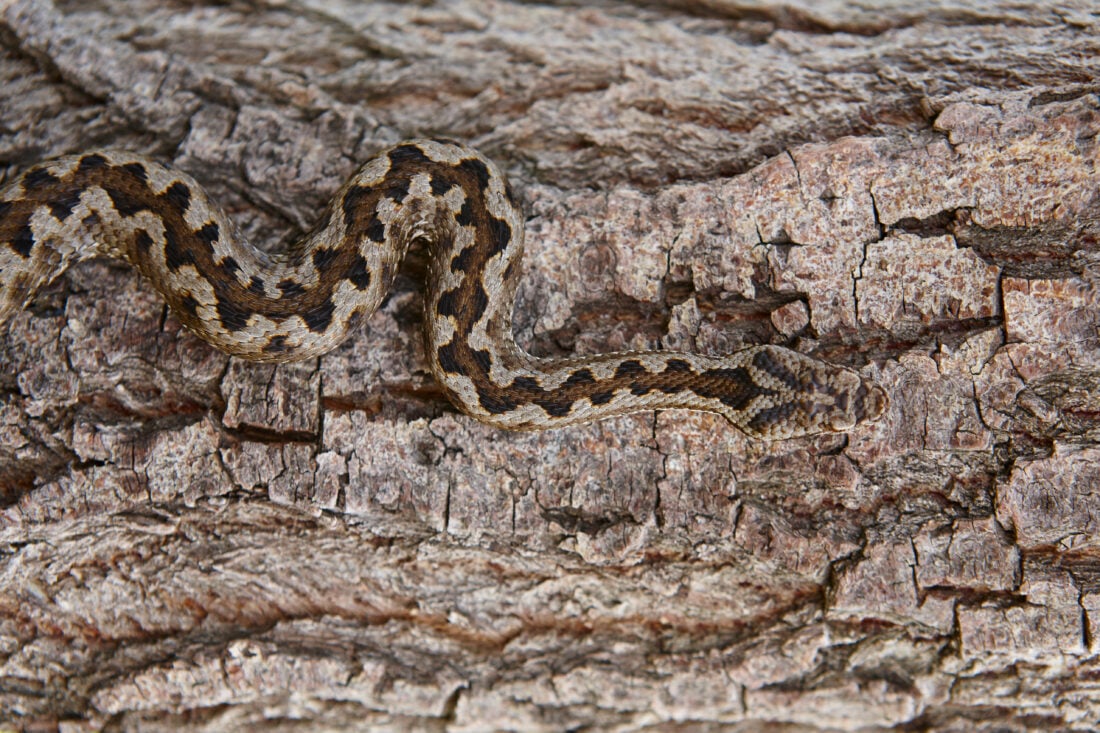
Vipera berus (Common European Adder)
Mostly found in northern Italy. Fatalities are rare, but children and vulnerable individuals face higher risk.
Vipera ursinii (Meadow Viper)
Rare and legally protected due to habitat loss. Active during the day, with a squat body.
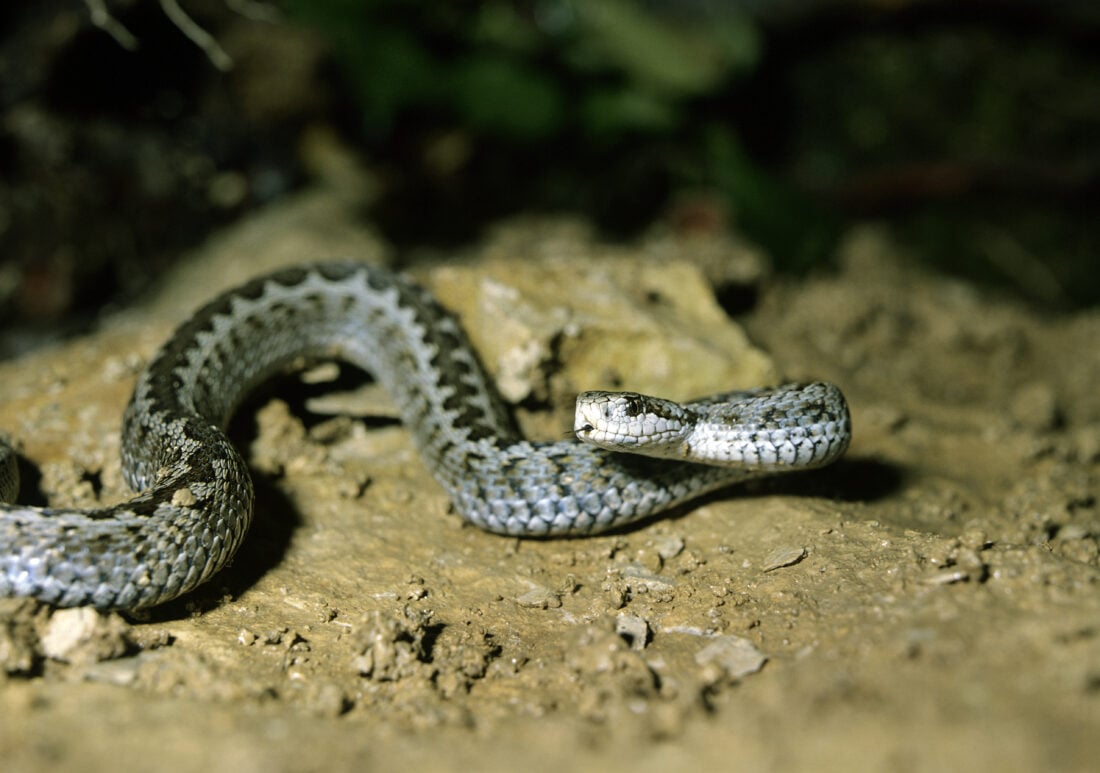
Walser Viper
Located in the western Alps, specifically in the area around Biella and upper Valsesia.
Where Vipers Live
Vipers favour sunny, undisturbed spots: scree slopes, rocky terrain, and areas of tall grass. In the Belluno province (Dolomites), the three species most commonly encountered are the asp viper, the adder, and the nose-horned viper. Encounters are relatively rare even in viper territory, but honestly, if you’re hiking anywhere off paved paths in spring or summer, it pays to know what you’re walking through.
Current temperatures in Italy are sitting around 79°F with broken clouds (as of April 2026), which is exactly the kind of warm weather that gets vipers out basking on rocks and trails.
Viper Bite Symptoms
Symptoms appear in stages:
- Immediate: redness, swelling, tingling, pain, and cyanosis (bluish skin) around the bite
- Within an hour: nausea, vomiting, muscle pain, diarrhoea, and in serious cases cardiovascular collapse or shock
What to Do If a Viper Bites You
- Keep the bitten person calm and limit movement
- Position the bite area lower than the heart
- Call emergency services immediately (the number in Italy is 112)
- Do not apply a tourniquet, cut the wound, or try to suck out venom
- Do not apply alcohol or give any medication without medical supervision
- Do not attempt to carry antivenom yourself, it requires refrigeration and must be administered in a hospital
How to Avoid Viper Bites
- Wear high boots and thick socks when hiking
- Walk with noise on trails to alert vipers ahead
- Tap the ground with a stick before moving through tall grass
- Check rocks and logs before sitting or placing your hands
If you’re planning a road trip through the Italian countryside or the Dolomites, pack proper hiking boots in the car rather than just sandals. You’d be surprised how many people step off for a quick photo in flip-flops. Our road trip tips cover general packing and planning advice that applies just as well to an Italian driving holiday.
Jellyfish on Italy’s Coasts
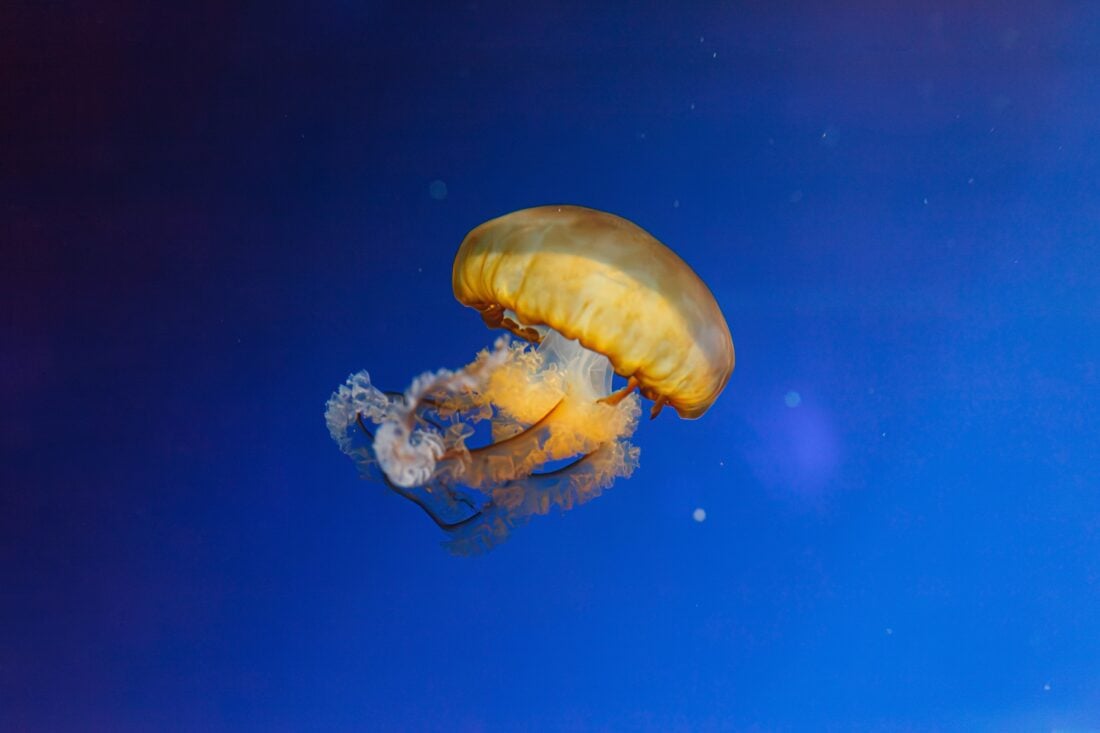
In summer, the Mediterranean, Adriatic, and Tyrrhenian seas see significant jellyfish numbers. Pelagia noctiluca is the most commonly encountered and stings frequently. Turns out, jellyfish blooms have been getting worse across the Mediterranean in recent years, so this is not something to brush off if you’re a beach person.
The Portuguese man o’ war (Physalia physalis) is rare in Italian waters but can deliver lethal stings. It is often mistaken for a jellyfish. If you see what looks like a translucent blue or pink balloon floating on the surface, do not touch it.
For standard jellyfish stings, ask a lifeguard for first aid assistance.
Wild Boar
Wild boar are found across Italy, particularly in the Apennines. Habitat encroachment means they occasionally appear in smaller towns, and not gonna lie, even Rome’s suburbs deal with them rummaging through bins at night. They are dangerous at close range, especially mothers with piglets. Keep your distance and do not approach.
Oriental Hornets
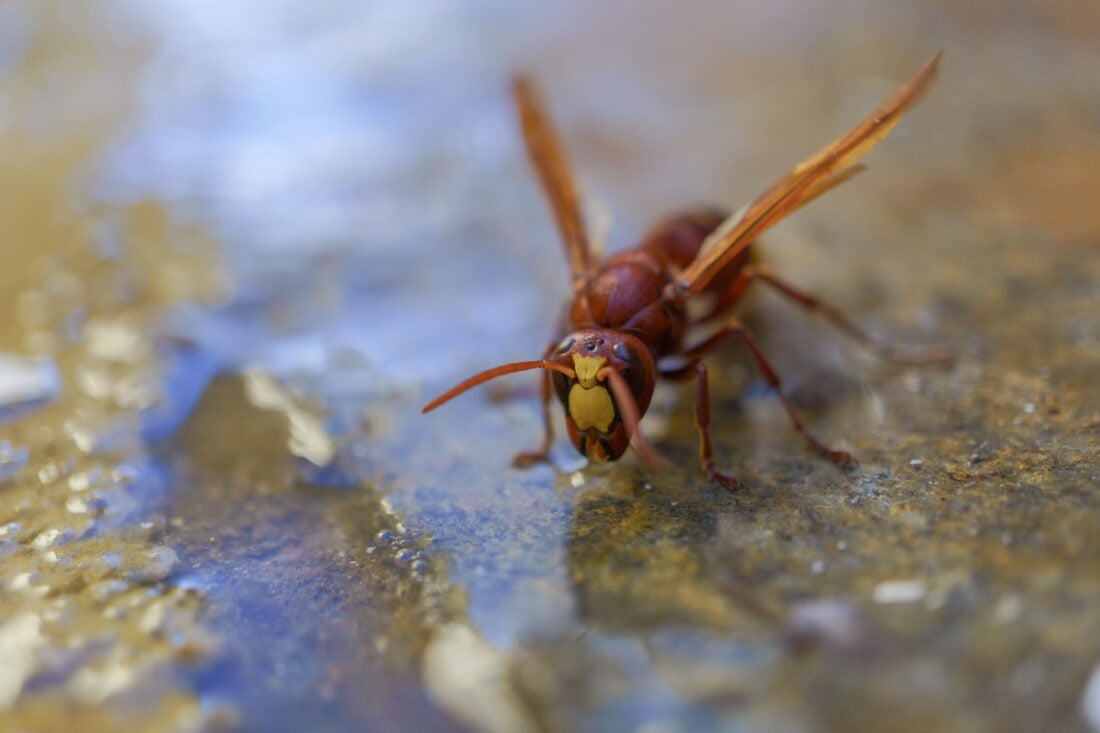
Oriental hornets are more aggressive than common bees or wasps and are common in southern Italy during summer. Their stings can trigger anaphylactic shock. If they nest indoors, call local authorities rather than attempting removal yourself. Keep windows closed to avoid attracting them. If you carry an EpiPen, make sure it’s in your daypack, not buried in your hotel luggage.
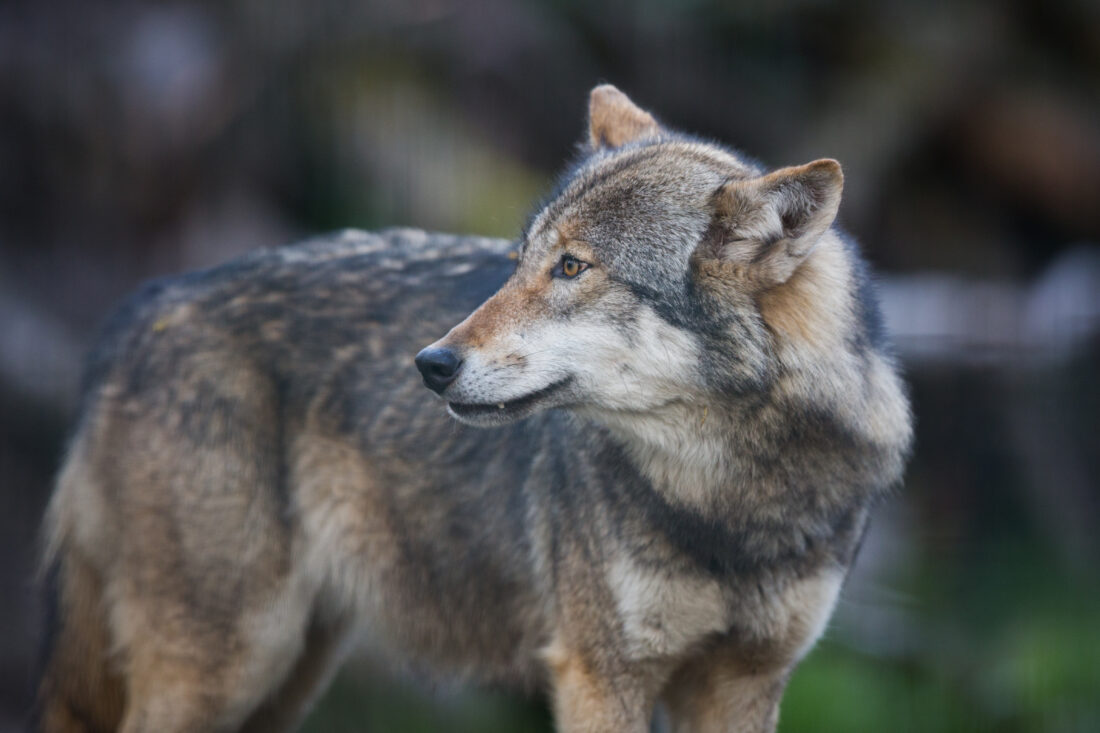
Italian Gray Wolf
The Italian gray wolf is Italy’s unofficial national animal. Wolves generally prefer to flee rather than confront humans, but injured or rabid animals are more likely to be aggressive.
If you encounter a wolf:
- Back away slowly and quietly, keeping the wolf in sight
- If it moves toward you, make as much noise as possible while continuing to back away slowly
- Never turn and run, this triggers prey drive
- If attacked, defend yourself with sticks, stones, or hiking equipment
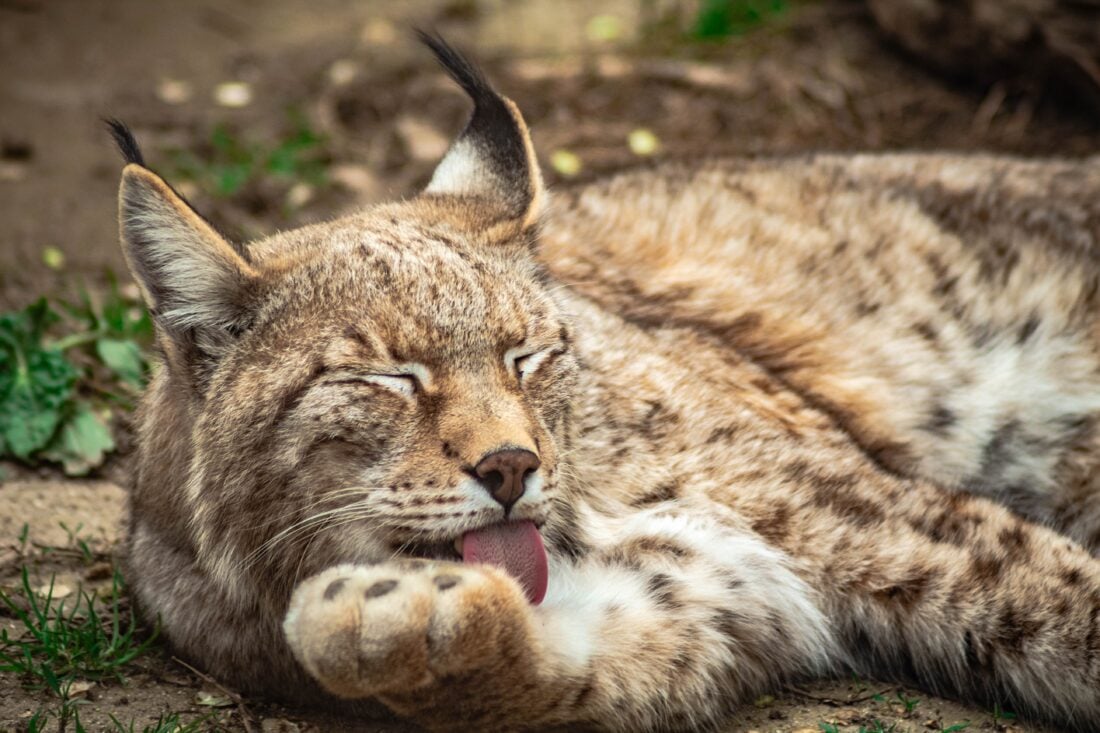
Lynx
The Eurasian lynx is critically endangered in Italy and found in Piemonte, Valle d’Aosta, Lombardy, Trentino-Alto Adige, and Veneto. Lynxes are not aggressive toward humans but will fight if cornered or threatened. The chance of an encounter is extremely low.
Maremmano-Abruzzese Sheepdog
This is a livestock guardian dog, not a wild animal, but it belongs on this list. Maremmano-Abruzzese sheepdogs guard flocks in Italy’s mountainous areas and are bred to repel threats. Do not approach them, even if they appear friendly. Give the dog and its flock a wide berth. Honestly, I’ve seen travellers try to pet these dogs thinking they’re just big fluffy farm companions, and that’s a quick way to ruin your afternoon.
Dangerous Spiders in Italy
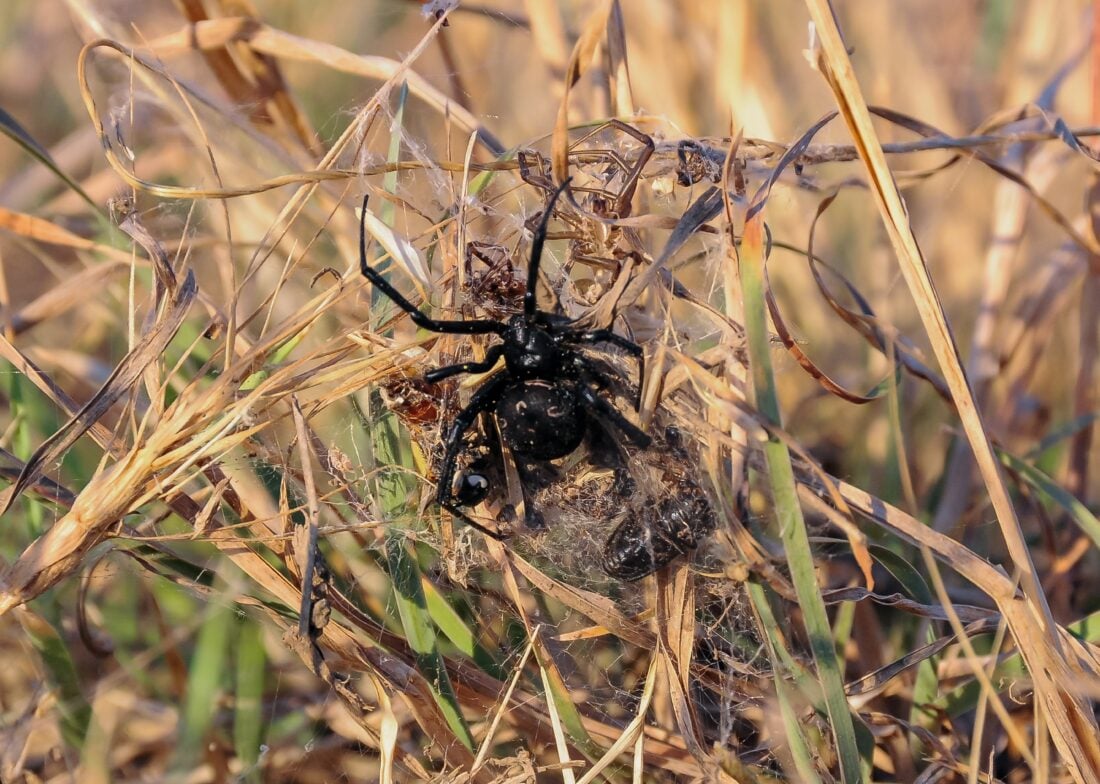
Mediterranean Black Widow (Latrodectus tredecimguttatus)
The Mediterranean black widow is the most medically significant spider in Italy. Its bite is initially painless but then causes sweating, nausea, vomiting, vertigo, and heart problems. Bites are rarely fatal in healthy adults but are more dangerous to children. An antivenom was developed in 2024 but is still in testing. Black widows tend to avoid inhabited areas, so encounters are uncommon.
Mediterranean Recluse Spider (Loxosceles rufescens)
The Mediterranean recluse spider injects low amounts of venom in most cases and is not aggressive. Bites are generally not life-threatening.
Noble False Widow (Steatoda nobilis)
Originally from the Canary Islands, the noble false widow causes painful bites but the effect is typically no worse than a wasp sting.
Venomous Marine Fish
| Fish | Risk | Notes |
|---|---|---|
| Greater weever (Trachinus draco) | Painful spine sting, requires medical attention | Common in Italian seas |
| Red scorpionfish (Scorpaena scrofa) | Venomous spines, can cause severe symptoms | Found on rocky seabeds |
| Silver-cheeked toadfish (Lagocephalus sceleratus) | Very poisonous due to tetrodotoxin | First recorded in Italy in 2013 |
| Atlantic stargazer (Uranoscopus scaber) | Venomous but less dangerous than the above | Widespread across the Mediterranean |
Wear water shoes when wading on sandy or rocky seabeds. Weevers bury themselves in sand in shallow water, so you won’t see them until it’s too late. If you are stung by a weever or scorpionfish, immerse the area in hot water (as hot as you can tolerate) and seek medical attention. Italy uses the euro (€) as its currency, and pharmacies stock basic sting and bite treatments, so keep some cash on hand. For reference, £1 currently gets you around €1.15 and $1 gets you roughly €0.87 (as of April 2026).
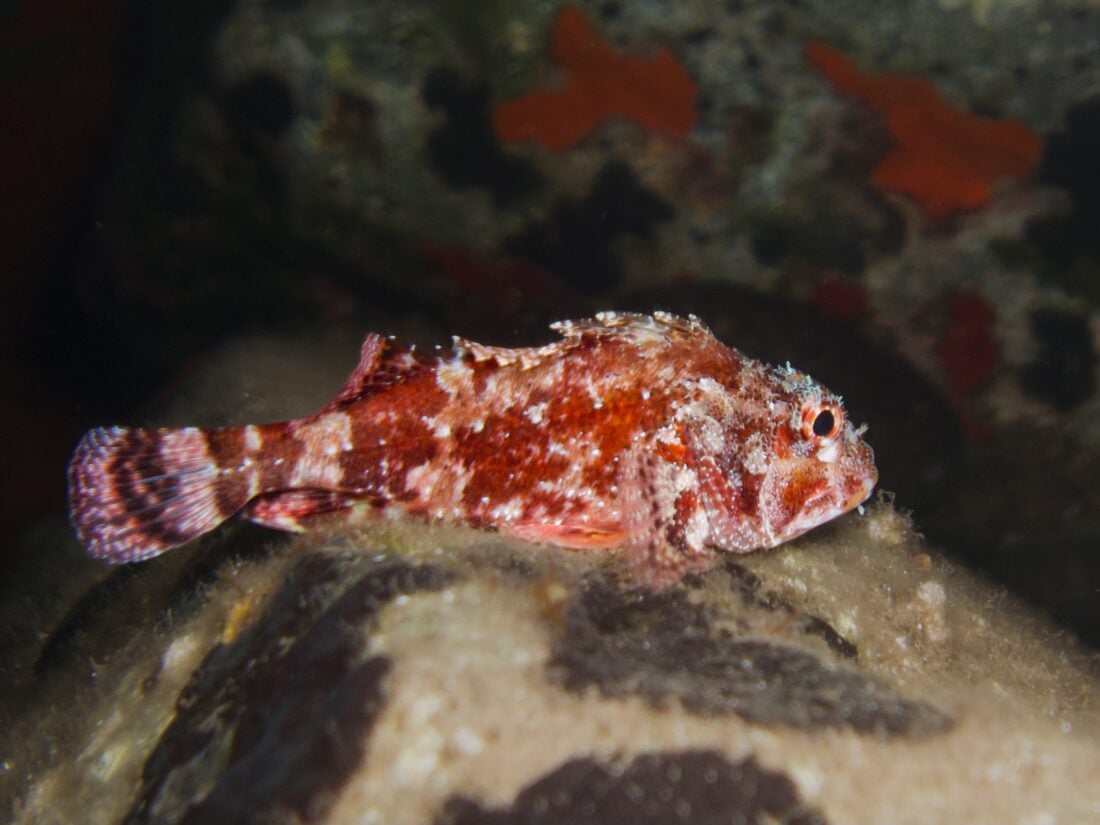
Red scorpionfish (Scorpaena scrofa)
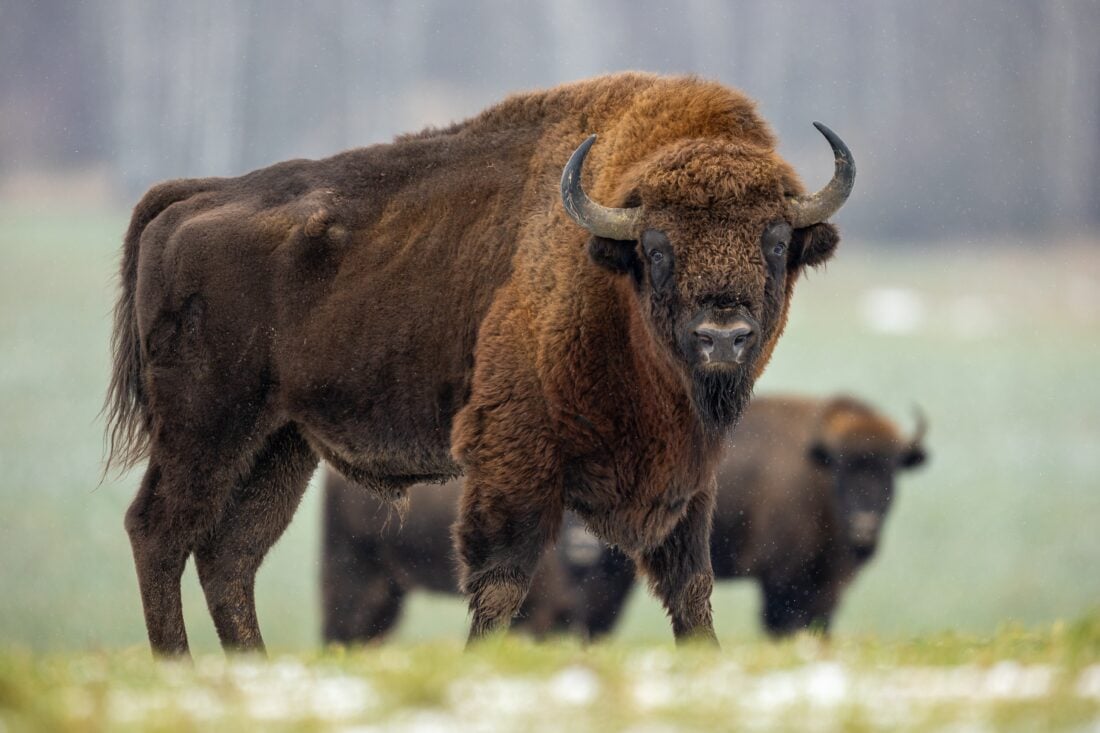
European Bison
European bison can be seen at Parco Natura Viva in Italy. They are not inherently aggressive, but standard wildlife rules apply: keep your distance and do not approach.
Frequently Asked Questions
Are there dangerous snakes in Italy?
Yes. Vipers are the only venomous snakes in Italy, and there are five species. The nose-horned viper (Vipera ammodytes), found mainly in northeastern Italy and the Dolomites, is the most venomous. Viper bites are serious and require hospital treatment, but fatalities are uncommon in healthy adults. The main language is Italian, so learning how to say “snake bite” (morso di serpente) before a hiking trip is a practical move.
Are there wolves in Italy and are they dangerous?
Yes, the Italian gray wolf lives in isolated areas but is increasingly moving into developed regions. Wolves rarely attack humans and prefer to flee. An injured or rabid wolf is more unpredictable. Back away slowly if you see one, and make noise if it approaches.
What should I do if I get stung by a jellyfish in Italy?
Ask a lifeguard for first aid assistance. Most Italian beach jellyfish stings are from Pelagia noctiluca and are painful but not life-threatening. Avoid the Portuguese man o’ war entirely, its sting can be lethal and it is sometimes mistaken for a jellyfish.
Are there dangerous spiders in Italy?
The Mediterranean black widow (Latrodectus tredecimguttatus) is the most dangerous spider in Italy. Its bite causes serious symptoms and is particularly risky for children. It avoids inhabited areas, so encounters are rare. Leave any spider you cannot identify alone.
