
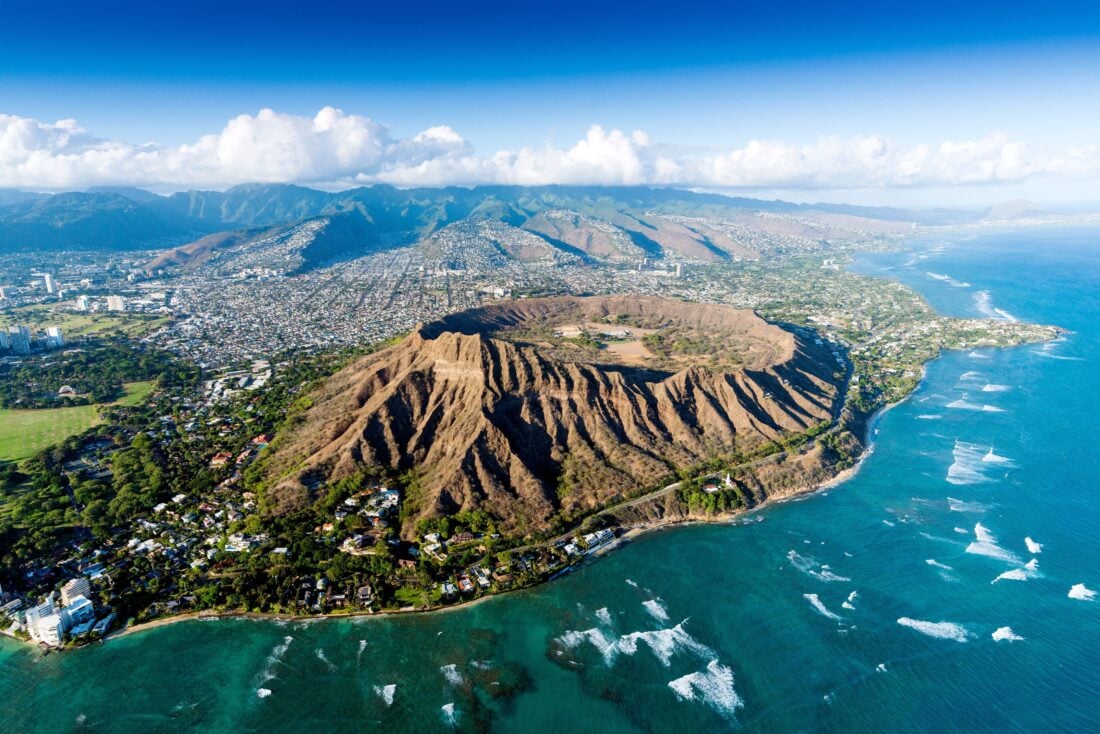
The Karate Kid Part 2 (1986) was filmed primarily on the island of Oahu, Hawaii, which stood in for Okinawa, Japan. A handful of scenes were also shot at locations in California. Principal photography ran from September 23 to December 20, 1985.
Quick Answer
The Karate Kid Part II was filmed mainly on Oahu, Hawaii, not Okinawa. The island doubled as Japan due to its comparable climate and large Okinawan community. A few scenes were filmed in California. The production built a full replica Okinawan village on Oahu and recruited 50 Okinawa-born Hawaii residents as extras.
Why Hawaii Instead of Okinawa?
The production team originally considered filming in Okinawa itself, but modern-day Okinawa had been significantly altered by the presence of military bases. The landscape no longer matched the traditional setting the story required. Hawaii offered a practical alternative: a similar tropical climate, a large Okinawan-born community available as extras, and the logistical advantage of staying on US territory.
To build the fictional Tomi Village (Mr. Miyagi’s hometown), the crew constructed seven authentic replicas of Okinawan houses and planted more than three acres of crops. Around 50 Okinawa-born residents of Hawaii were hired as extras to add cultural depth to the scenes.
Karate Kid Part 2 Filming Locations on Oahu
The majority of the film’s Okinawa sequences were shot across Oahu. Here are the key confirmed locations:
| Scene | Location | Address / Area |
|---|---|---|
| Tomi Village (Miyagi’s hometown) | Kamehameha Highway, Kaneohe | 47-507 Kamehameha Hwy, Kaneohe, HI |
| Miyagi-Do residence / training scenes | Private residence, Kaneohe | 421 Lanipo Drive, Kaneohe, HI |
| LaRusso house exterior | Private residence, Kahuku | 45-582 Kahuaina Street, Kahuku, HI |
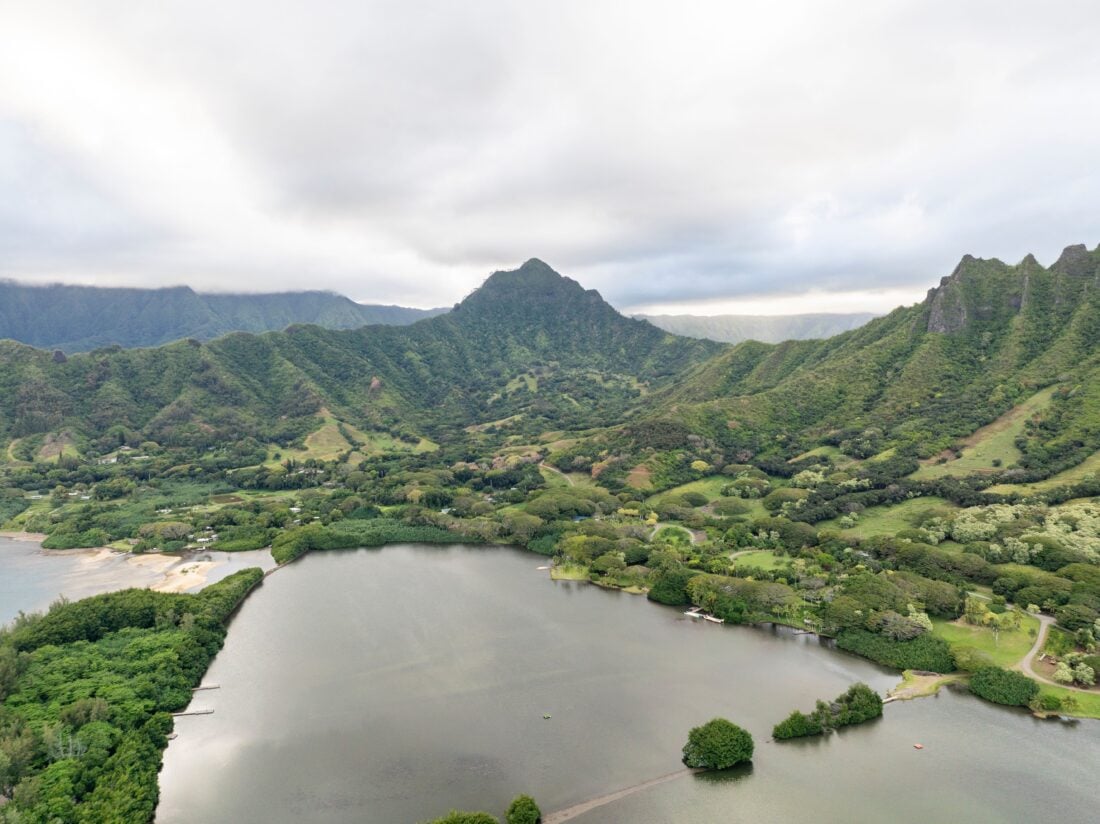
| Miyagi’s reunion with Yukie | Kualoa Ranch, Kaneohe | Kualoa Ranch, Kaneohe, HI |
| Daniel and Kumiko castle ruins lookout | Halona Blowhole, Honolulu | Halona Blowhole, Honolulu, HI |
| General Okinawan village scenes | Kualoa Regional Park | Kaneohe, HI |
Other Oahu landmarks that appear in the film include Waikiki Beach, Diamond Head Crater, Hanauma Bay Nature Preserve, and the Nu’uanu Pali Lookout.
One caveat before you go hunting for Tomi Village: the set was built on a privately owned property belonging to a retired local physician, and it was a film set rather than a real village. Location details for the Kaneohe and Kualoa scenes come mostly from fan and travel guides rather than production records, so treat the exact spots as approximate.
Note: the Miyagi-Do residence and LaRusso house are private properties. You can drive past them but should not enter.
California Filming Locations
Not everything was shot in Hawaii. Several key scenes were filmed on the mainland:
- Opening confrontation scene (John Kreese vs. Johnny Lawrence in the parking lot): filmed at 18111 Nordhoff Street, Northridge, CA.
- Airport departure scene (Daniel joins Mr. Miyagi for the trip to Okinawa): filmed at the Flight Path Museum and Learning Center in Los Angeles.
- Studio set pieces: Warner Bros. Burbank Studios in California was used for some sequences.
If you are building a road trip around the California scenes, our Los Angeles bucket list covers what else is worth your time in the city. Filming began on September 23, 1985, about 15 months after the first Karate Kid film opened in the US in June 1984.
Can You Visit These Locations Today?
Several of the Oahu locations are publicly accessible, and honestly, they double as some of the island’s best attractions whether you’re a Karate Kid fan or not. Oahu tends to be busiest over the winter holidays, so if you’re planning a filming locations road trip, book early for December, January, and February. If you’d rather stay on the windward side near the Kaneohe and Kualoa scenes, Paradise Bay Resort sits on Kaneohe Bay, a much shorter drive to Kualoa Ranch than a base in Waikiki.
- Kualoa Ranch (Kaneohe) is open to visitors with tours available. It’s appeared in everything from Jurassic Park to Lost, so even if the Miyagi reunion scene isn’t your main draw, the scenery alone is worth the stop.
- Nu’uanu Pali Lookout is a public state park with mountain views that’ll make your phone camera work overtime.
- Halona Blowhole is a roadside lookout on the southeast Oahu coastline.
- Kualoa Regional Park is a public county park.
- Waikiki Beach, Diamond Head Crater, Hanauma Bay are all standard visitor destinations on Oahu and worth building a full day around.
An Oahu guidebook helps you link these locations into a workable route.

We earn a commission if you buy through this link, at no extra cost to you.
Hawaii asks beach visitors to use reef-safe sunscreen, so pack a suitable one.

We earn a commission if you buy through this link, at no extra cost to you.
The private residences on Lanipo Drive and Kahuaina Street are not open to the public. Respect the property boundaries if you visit the areas.
If the beaches are what you came for, our guide to the best Hawaiian beaches will help you plan the sand and surf side of the trip, and our note on Hawaii souvenirs that can be confiscated is worth a read before you pack your bags for the flight home.
Fancy more places you may recognise from the big screen? Have a look at these small US towns from the movies.
The Film at a Glance
- Director: John G. Avildsen
- Screenplay: Robert Mark Kamen
- Producer: Jerry Weintraub
- Distributor: Columbia Pictures
- US release: June 20, 1986
- Principal photography: September 23 to December 20, 1985
- Box office: $130 million worldwide (one of the highest-grossing films of 1986)
- Reception: Generally positive. Reviewers called it a worthy follow-up to the original, with the Los Angeles Times praising Pat Morita’s performance as Miyagi and calling him “the heart of the movie.”
If this guide has made you want to rewatch it, the film is available on disc.

Sony Pictures
We earn a commission if you buy through this link, at no extra cost to you.
Frequently Asked Questions
Was The Karate Kid Part 2 actually filmed in Okinawa?
No. The film is set in Okinawa, but almost all of it was filmed on Oahu, Hawaii. The production team found that modern Okinawa had been too heavily altered by military base construction to work as a filming location, so Hawaii was chosen as a stand-in.
Where was the Okinawan village in Karate Kid 2 filmed?
The fictional Tomi Village was filmed at 47-507 Kamehameha Highway in Kaneohe, Oahu. The production built seven replica Okinawan houses and planted over three acres of crops to create the set.
Where was the opening scene of Karate Kid 2 filmed?
The opening confrontation between John Kreese and Johnny Lawrence was filmed at 18111 Nordhoff Street in Northridge, California.
Where was the airport scene in Karate Kid 2 filmed?
The scene where Daniel and Mr. Miyagi depart for Okinawa was filmed at the Flight Path Museum and Learning Center in Los Angeles, California.
Can you visit the Tomi Village set today?
No. Tomi Village was a film set built on private land near Kaneohe, so there is no village to tour. You can still visit public spots from the film, such as Kualoa Ranch, the Nu’uanu Pali Lookout and Halona Blowhole.
When was The Karate Kid Part II released?
The Karate Kid Part II opened in the United States on June 20, 1986, distributed by Columbia Pictures.
