
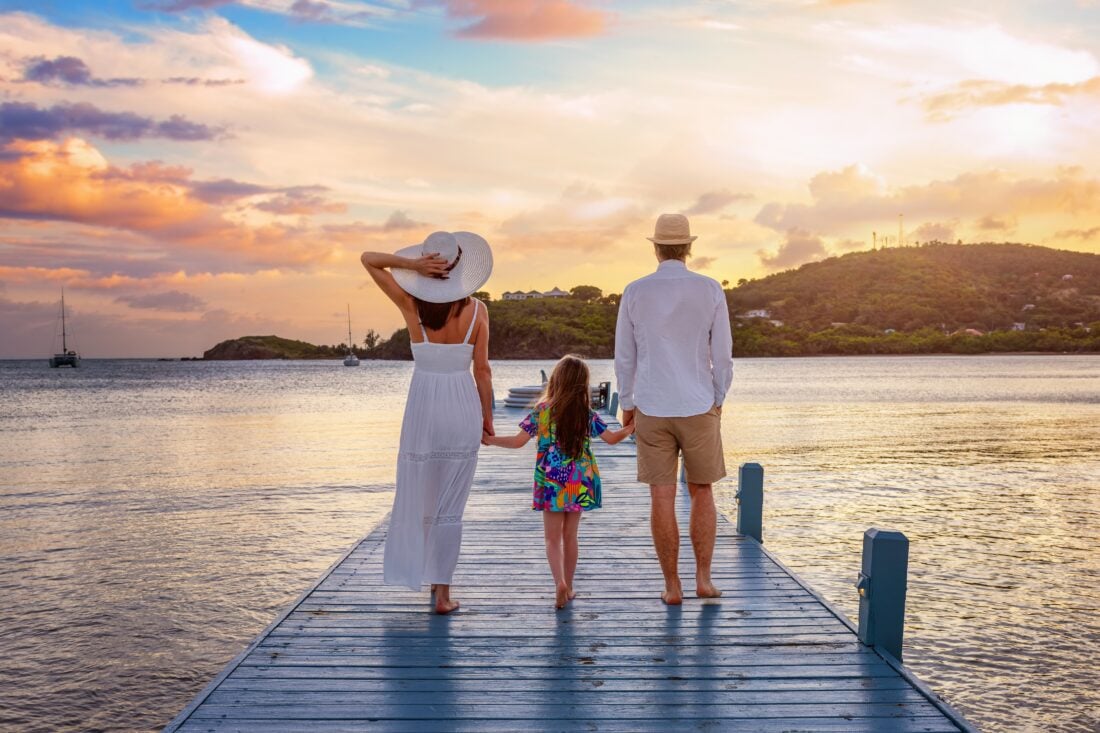
Choosing the best Caribbean island for families depends on what kind of chaos you’re willing to embrace. Do you want all-inclusive resorts where someone else deals with the snacks?
Beaches calm enough that you’re not in a constant state of toddler-retrieval panic? Or actual things to do when everyone gets bored of sand? I’ve looked at what works (and what doesn’t) across the islands people actually visit with children.
Quick Answer: Which Caribbean Island Should You Pick?
If you want easy logistics and guaranteed kid-friendly infrastructure, go Dominican Republic (Punta Cana). If you want variety and don’t mind a bit of planning, pick Antigua or St Lucia. If you want calm water and consistent weather, Aruba wins. If you want luxury resorts with actual kids clubs, look at Grand Cayman or Turks and Caicos. If you want something quieter and less resort-heavy, try St Kitts and Nevis or the British Virgin Islands.
No single island does everything. You’re trading off between convenience, cost, activities, and how much you want to leave the resort.
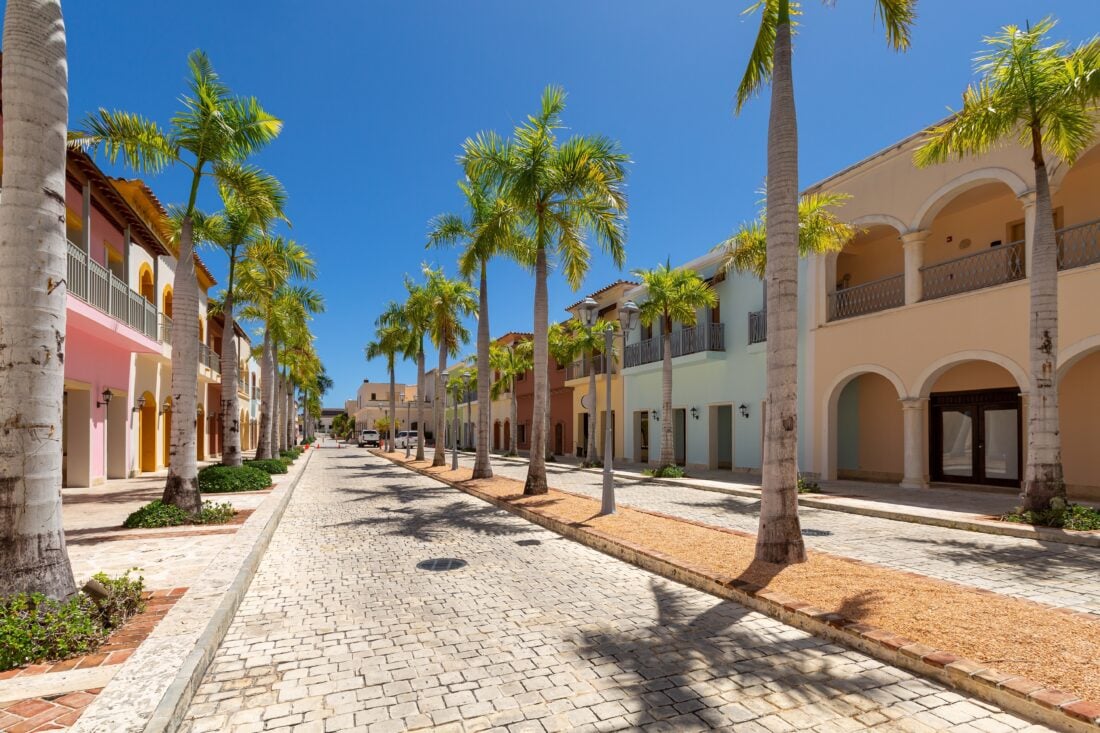
Why the Dominican Republic Works for Most Families
The Dominican Republic shows up on every list for good reason. Punta Cana has miles of white sand, clear blue water, and more all-inclusive resorts than you can count. The beaches offer white sand and clear waters, and the resorts have kids clubs.
Punta Cana resorts cater to families at various price points. You’ll find everything from budget-friendly spots to places like Nickelodeon Hotels and Resorts, where your kids can eat breakfast with SpongeBob (I cannot stress this enough: check if your child actually cares about SpongeBob before you pay extra for this).
Activities include kayaking, sailing, and snorkeling. The north shore near Cabarete is known for kite boarding, surfing, and windsurfing. There are schools that teach it, though I’d personally wait until they’re old enough to not blame you when they fall off.
If you stay long enough, visit the Damajagua 27 waterfalls near Puerto Plata. It’s a hike through waterfalls where you can slide and jump between pools. Do all 27 if you’re feeling ambitious.
Santo Domingo on the south side offers history if your family is into that sort of thing. El Alcazar de Colon and Cathedral Santa Maria La Menor are worth a day trip, though be honest with yourself about whether your kids will appreciate colonial architecture or just complain about the heat.
The Dominican Republic is welcoming to children. People smile at kids. Restaurants don’t sigh when you walk in with a pram. It’s a small thing, but it matters when you’re traveling.
Antigua: 365 Beaches and Enough to Do That No One Gets Bored
Antigua claims to have 365 beaches, one for every day of the year. I didn’t count, but there are enough that you can avoid the crowded ones without trying too hard. The official currency is the Eastern Caribbean dollar (XCD), though US dollars are widely accepted. English is the main language, so there’s zero language barrier to deal with.
What makes Antigua work for families is the range of activities. You can do historical trips to Nelson’s Dockyard National Park, rib rides around the island, helicopter flights over Montserrat, mangrove kayaking, snorkeling with stingrays, deep-sea fishing, jeep safaris, and quad biking. It’s the kind of place where you can fill a week without repeating yourself. Nelson’s Dockyard itself consistently ranks among the top-rated attractions on the island, and honestly, even kids who couldn’t care less about Georgian-era naval history seem to enjoy poking around the old buildings and waterfront.
Shirley Heights on Sunday evenings is worth the trip. It’s a BBQ party with live music and views over English Harbour. Go early if you want a table. Go late if you want to stand in a crowd with a rum punch and pretend you’re spontaneous.
The snorkeling at Stingray City is in fairly shallow water, which is ideal if you have younger kids who aren’t confident swimmers yet. The stingrays are used to people. They glide past like they own the place (they do). It’s one of the highest-rated water activities on the island, and for good reason.
Search interest for Antigua travel peaks from December through February, so if you’re hoping for slightly fewer crowds (and lower prices), shoulder season is your friend. Current weather sits around 59°F with scattered clouds and high humidity (as of March 2026), though that reading is more typical of the cooler highland areas. Coastal resorts tend to be warmer and breezier.
Antigua is popular for sailing. The island hosts major sailing events, with the main one in the last week of April. Avoid that time unless you’re into sailing or enjoy paying more for your hotel.
Flights from the UK are direct with Virgin Atlantic and British Airways, mostly from London Gatwick. Transfer times from the airport to most resorts are 20 to 45 minutes, which is short enough that no one has a meltdown in the taxi.
St Lucia: Rainforest, Volcanoes, and Chocolate
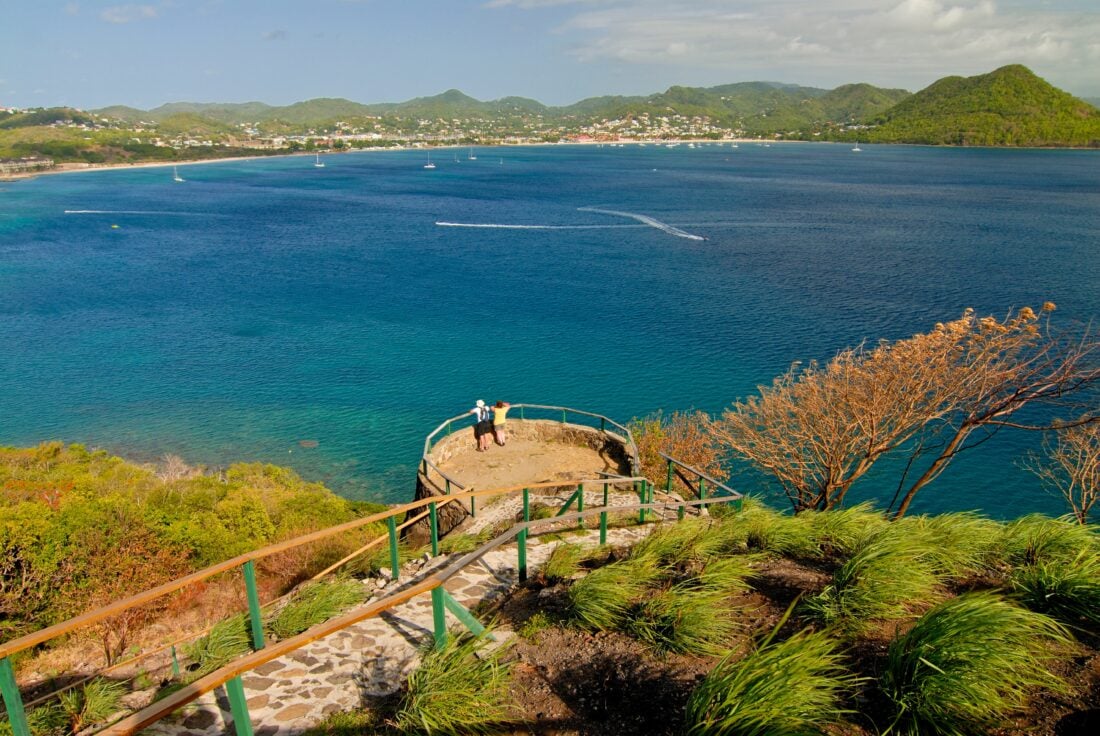
St Lucia is the island for families who want a bit more than beaches. It’s lush, green, and has enough activities that you can skip the resort for a few days without anyone complaining.
You can do whale and dolphin safaris, tour a cocoa estate (Rabot Estate lets you make chocolate, which is a hit with kids and adults), visit La Soufrière volcano, zip-line through the rainforest, climb Gros Piton if you’re feeling ambitious, and explore Pigeon Point National Park.
The Gros Islet street party happens every Friday. It’s loud, crowded, and full of food stalls and music. Not exactly toddler-friendly, but teenagers might enjoy it.
St Lucia has both a north and south side, and they feel different. The north is more developed with resorts and easier beaches. The south is quieter and more dramatic. If you’re staying in the north, the transfer from Hewanorra airport is about 1 hour 30 minutes. Plan for that.
Direct flights from the UK are frequent, and transfers are manageable even with young children.
Aruba: Warm Weather and No Hurricanes
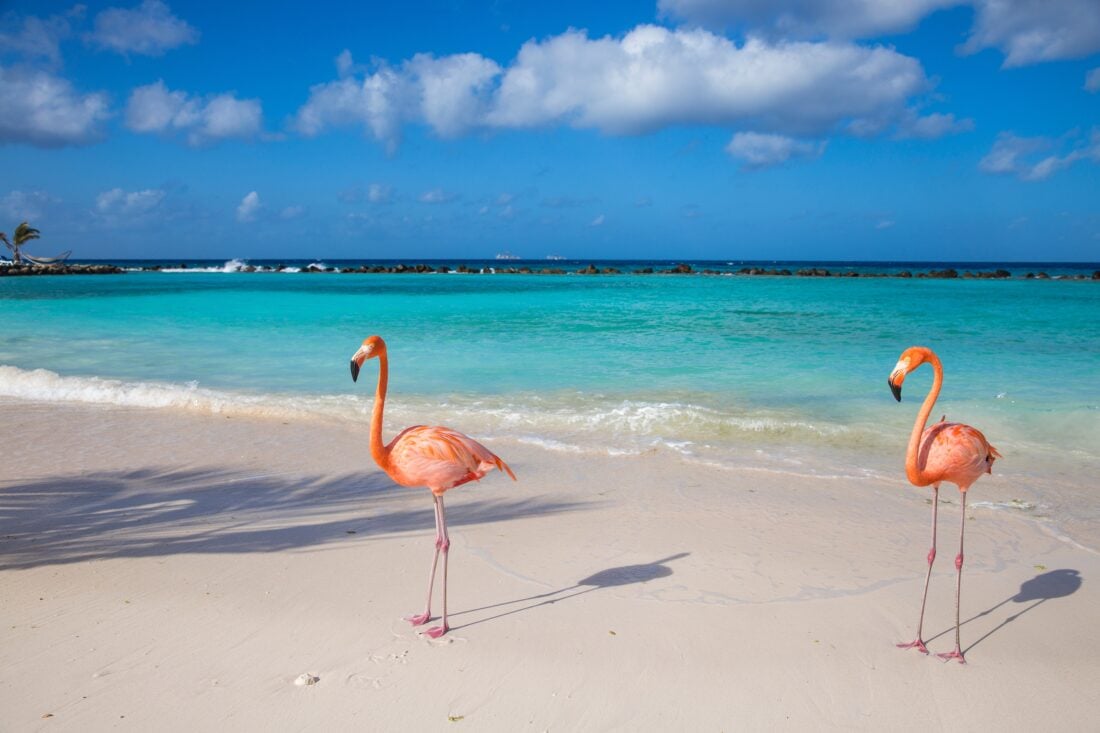
Aruba sits outside the hurricane belt, which means the weather is consistent year-round. Temperatures stay in the mid-80s, and you don’t have to worry about your trip being ruined by a storm.
The island is flat, sunny, and known as “One Happy Island,” which is either charming or marketing depending on your mood. The locals are friendly. The beaches are calm. The water is clear.
Activities include jet skiing, surfing, snorkeling, visits to the Aruba Butterfly Farm, and Philip’s Animal Garden. It’s not the most adventurous island, but it’s reliable. If you want a beach holiday where nothing goes wrong, Aruba delivers.
Grand Cayman: Turtles, Stingrays, and Seven Mile Beach
Grand Cayman is beautiful and organized in a way that makes family travel easy. The beaches are pristine, the resorts are polished, and the attractions are genuinely good.
Cayman Turtle Farm lets you see sea turtles. Stingray City is the big draw, where you can stand in shallow water while stingrays swim around you. Seven Mile Beach is exactly what it sounds like. Rum Point on the north side is quieter and worth the drive.
Camana Bay offers shops, restaurants, an observation tower, and a movie theater if you need a break from the beach.
Resorts like the Westin Grand Cayman and the Ritz-Carlton Grand Cayman offer kids programs, water sports, and pools. Sunshine Suites is a more affordable option that still works for families.
Grand Cayman is not cheap, but it’s well set up for families who want everything to just work.
Turks and Caicos: Beaches Resorts and Gorgeous Water
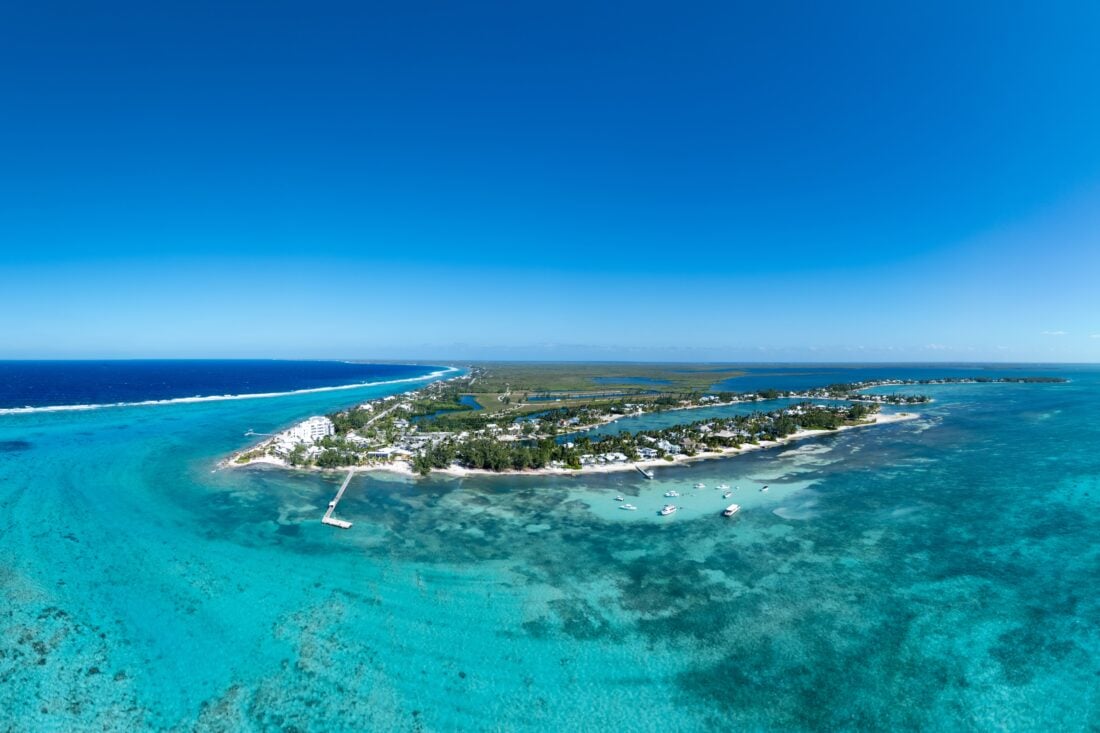
Turks and Caicos is made up of several islands. You’ll fly into Providenciales. The water is absurdly blue. The beaches are long and empty in places.
Beaches Turks and Caicos is the big family resort here. It has kids clubs, entertainment, a water park, and a lazy river. It’s the kind of place where you don’t leave the resort because you don’t need to. The West Bay Club is another option, smaller and quieter, right on the beach.
Turks and Caicos is expensive. If that’s not an issue, it’s one of the best islands for families who want a resort holiday done well.
Barbados: Two Coasts and Calmer Water on the West
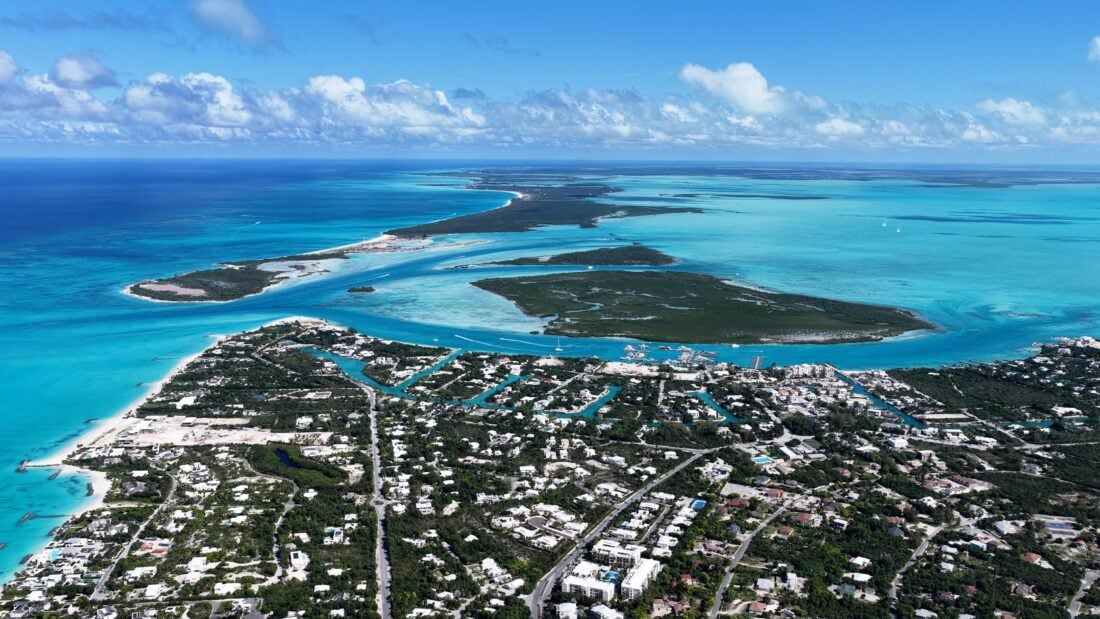
Barbados has both a Caribbean coast (west) and an Atlantic coast (east). The west is better for families because the water is calmer. The east is dramatic and beautiful but not ideal for young swimmers.
Activities include snorkeling with sea turtles, visiting Harrison’s Cave, and taking a catamaran cruise. The island is well established, easy to navigate, and has direct flights from the UK.
Barbados feels polished without being sterile. It’s a good middle ground if you want some local culture but also want reliable infrastructure.
British Virgin Islands: Sailing and The Baths
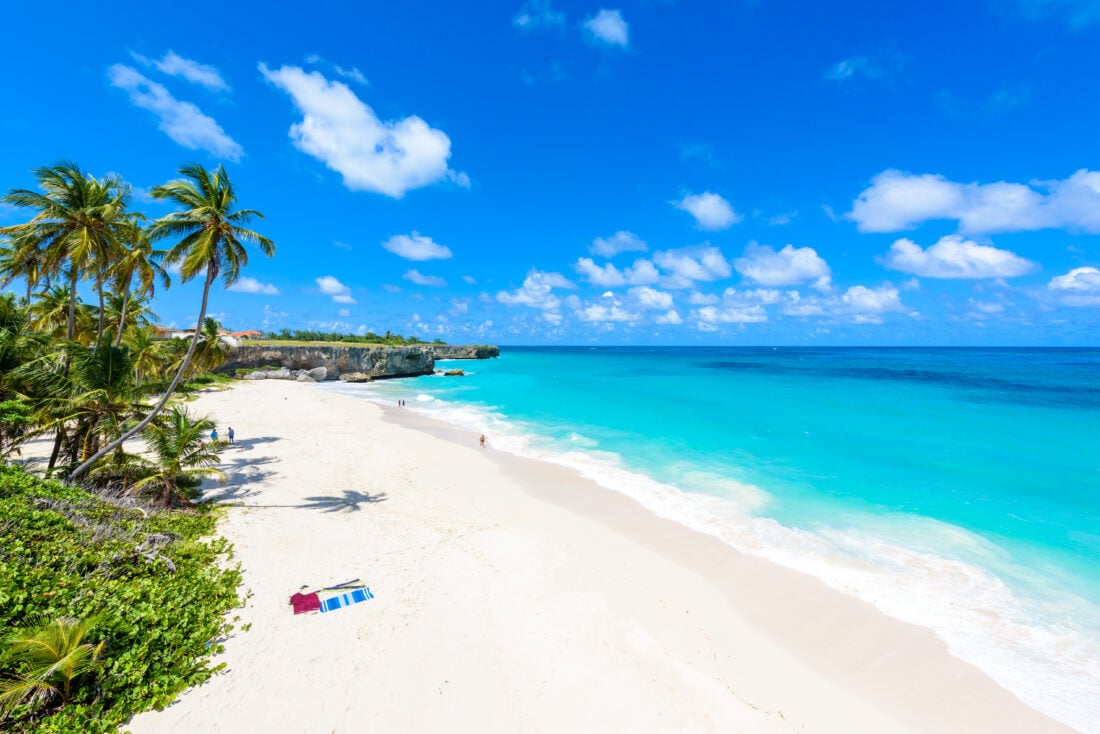
The British Virgin Islands are made up of 64 islands. Tortola is the largest. Virgin Gorda is famous for The Baths, a collection of giant granite boulders that create pools and tunnels perfect for snorkeling.
Visit The Baths when a cruise ship isn’t in port. The difference between an empty beach and a crowded one is the difference between a good day and a day you want to forget.
The BVI is ideal for families who like sailing. Inter-island ferries run regularly, and you can explore different islands without much hassle. Jost Van Dyke has a wide range of quirky bars and restaurants. Anegada is known for diving and snorkeling around reefs.
You can now fly into the BVI via a charter flight that connects with Virgin Atlantic and British Airways flights to Antigua. It’s a short one-hour flight with good views.
St Kitts and Nevis: Fewer Tourists, More Rainforest
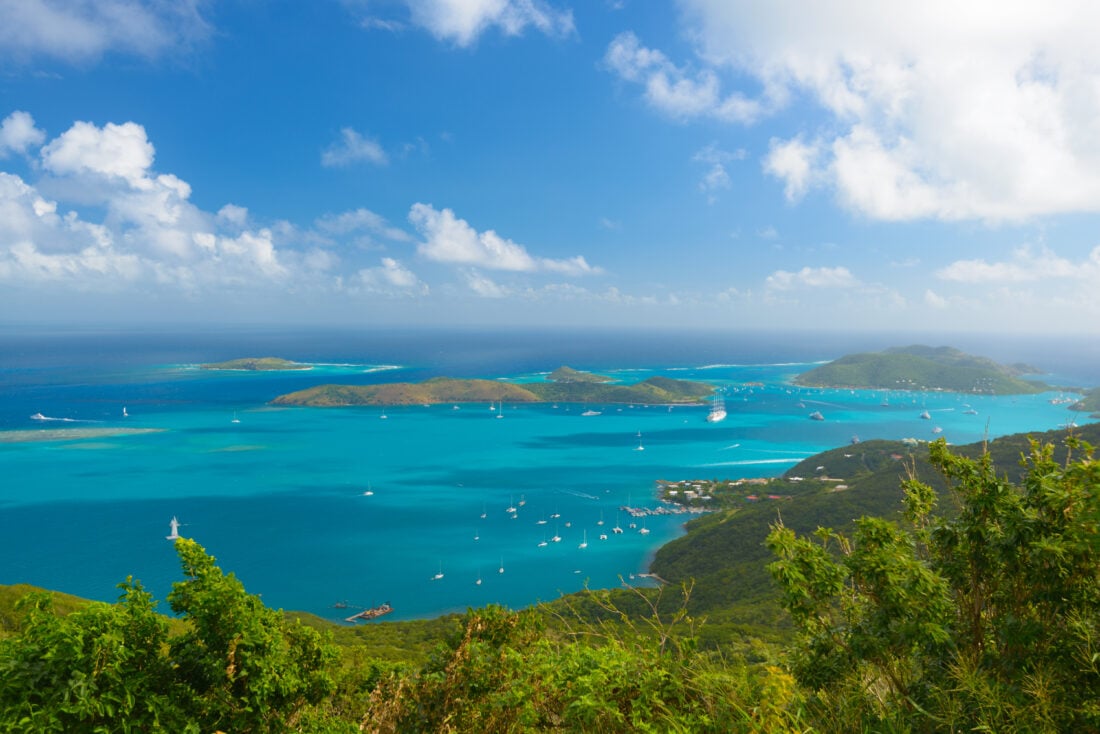
St Kitts and Nevis is the Caribbean without mass tourism. You get history, pristine beaches, and lush rainforest without fighting through resort after resort.
It’s quieter, which is either a selling point or a dealbreaker depending on what you want. If your family likes exploring and doesn’t need constant entertainment, it works. If your kids need a water park and a kids club, look elsewhere.
Other Islands Worth Mentioning
Jamaica has waterfalls, rainforests, coffee plantations, and reggae. It’s vibrant and full of personality.
Grenada is the Spice Island. You can tour spice plantations, visit the underwater sculpture gallery, and take the Rhum Runner party cruise. It’s smaller and less touristy than some of the bigger islands. If you’ve enjoyed exploring things to do in Cartagena, Grenada has a similar vibe of colourful streets, history, and warm water without the massive crowds.
Cuba has old American cars, colonial towns like Trinidad, and beaches like Varadero. You can go horse riding and hiking in Viñales, take a jeep safari in the Yumuri Valley, or sail from Varadero to Cayo Blanco on a catamaran. It’s not a resort island, but if your family wants something different, Cuba delivers.
Roatan has West Bay Beach, where you can swim, snorkel, parasail, or scuba dive. Nearby, you can swim with dolphins or zip-line at Gumbalimba Park.
Curaçao has colorful buildings, public art, and beautiful beaches. It’s often overlooked, which means fewer crowds.
What to Actually Look for When Choosing an Island
Pick based on what matters most to you:
- Calm water for young kids: Aruba, Barbados (west coast), Grand Cayman
- All-inclusive resorts with kids clubs: Dominican Republic, Turks and Caicos, Jamaica
- Activities beyond the beach: Antigua, St Lucia, Grenada
- Easy logistics and direct flights: Antigua, Barbados, St Lucia, Dominican Republic
- Consistent weather year-round: Aruba
- Quieter, less touristy: St Kitts and Nevis, British Virgin Islands
Don’t overthink it. Most Caribbean islands work for families if you pick the right resort or area. The worst decision is not going at all because you spent six months trying to find the perfect island. If you’re the type who likes comparing activity-packed destinations, you might also enjoy our guides to things to do in Tenerife or fun things to do in Granada on a budget for a similar mix of beaches, culture, and keeping the kids occupied.
A Few Practical Things No One Tells You
Transfer times matter. A two-hour drive from the airport with tired kids is not fun. Check how far your resort is before you book.
Hurricane season runs June to November. Aruba sits outside the belt, so it’s safe year-round. Everywhere else, you’re rolling the dice if you go in September or October.
Kids clubs vary wildly. Some are glorified babysitting. Some are genuinely good. Read reviews from other parents, not just the resort website.
All-inclusive doesn’t always mean all-inclusive. Check what’s covered. Some resorts charge extra for water sports, excursions, or even certain restaurants.
Snorkeling gear for kids is worth bringing. Rental gear is often too big for younger children, and buying it on the island is expensive.
Final Thoughts
The best Caribbean island for families is the one that matches what you actually want from the trip. If you want easy, go Dominican Republic or Aruba. If you want variety, go Antigua or St Lucia. If you want luxury and don’t mind spending, go Grand Cayman or Turks and Caicos. If you want fewer tourists, go St Kitts or the BVI.
