
Arriving in Iceland in October with an untested rain jacket, tags still on, proved to be a gamble. The rain came in sideways for the entire first afternoon. The jacket held up, but that was pure luck. The takeaway is simple: Iceland does not care about optimism.
This packing list pulls together what you genuinely need for Reykjavik and beyond, season by season, without the fluff. If you’ve used any of our other packing list guides, you’ll know we keep it practical.
Quick Answer: What to Pack for Reykjavik
The non-negotiables, whatever time of year you go:
- Waterproof hiking boots with good grip
- Thermal base layers (wool or synthetic)
- Windproof and rainproof outer jacket
- Swimwear (geothermal pools are a year-round thing)
- Type C/F power adapter (European plug standard)
- Lip balm and moisturizer (the wind will wreck your face)
Leave behind: umbrellas (useless in Icelandic wind), heavy cotton clothing, and anything you’d describe as a fashion shoe.
The Layering System: How to Actually Think About Packing
Every guide says “layer up” and then leaves you to figure out what that means. Here is what it actually looks like in practice.
Base layer: Moisture-wicking thermals, top and bottom. Merino wool or polyester. This is the layer doing the real work, so don’t cheap out on it.
Mid layer: A fleece jacket or down jacket. Something easy to pull on and stuff in a bag. This is what you add when the wind picks up, which it will.
Outer layer: Windproof, rainproof, hooded. Non-negotiable. A waterproof shell jacket and waterproof trousers if you’re planning anything beyond walking between cafes.
For tops underneath all of this, 2-3 moisture-wicking shirts in wool or synthetic fabric cover most trips. Bring long sleeves and short sleeves depending on season. Jeans are fine for evenings in the city but genuinely useless for outdoor activity since they absorb moisture and take forever to dry. If you’ve ever made that mistake on a Scottish hike, you already know the deal (our North Coast 500 packing list covers similar weather logic).
What to Pack for Reykjavik by Season
Winter (November to March)
This is the full kit. Don’t underestimate it. Reykjavik is currently sitting at around 32°F with light snow and 74% humidity (as of March 2026), which honestly sounds manageable until you factor in the wind chill that makes everything feel significantly colder.
- Thermal base layers (top and bottom)
- Warm jumpers or merino wool mid-layers
- Windproof and rainproof outer jacket
- Waterproof trousers
- Insulated winter boots with grip (icy pavements are real)
- Wool socks, multiple pairs
- Winter hat covering the ears
- Gloves, ideally two pairs: one lightweight, one waterproof and insulated
- Scarf or neck gaiter
- Lip balm and moisturizer (cold air and wind dry your skin fast)
- Sunscreen (snow reflects sunlight on clear days)
- Swimwear (Blue Lagoon, Sky Lagoon, local pools)
- Microspikes if you’re heading anywhere icy outside the city
- Hand warmers
- Flashlight or headlamp, with spare batteries, since it gets dark early
If you’re going on a Northern Lights tour, add extra insulating layers specifically for standing outside in the cold for extended periods. Not gonna lie, you will be standing still in freezing temperatures for longer than feels reasonable, and that’s when inadequate layers really punish you. A camera with night settings or a tripod is useful for aurora photography.
Summer (June to August)
Temperatures in southern Iceland sit around 50-55°F, occasionally reaching the high 60s on the warmest days. It still rains. It’s still windy. You still need layers.
- Light moisture-wicking tops (short and long sleeve)
- A warm mid-layer (fleece or light down jacket)
- Waterproof outer jacket with hood
- Waterproof trousers for hiking days
- Hiking boots (waterproof)
- Hat or cap with a brim for sun
- Sunglasses, polarized and UV-blocking
- Sunscreen
- Swimwear
- Sleep mask – the midnight sun is not a joke and it will destroy your sleep without one
- Rain gear (yes, in summer)
Autumn (August to September) and Spring (April to June)
These shoulder seasons are the trickiest to pack for because the weather shifts constantly. The answer is the same as always: flexible layers.
- Waterproof jacket and trousers
- Warm mid-layers
- Waterproof footwear with grip
- Warm accessories (hat, gloves, scarf) for colder days
- Allergy medication if you’re sensitive to grass and plant pollen, particularly relevant in rural areas in spring
- Hiking boots with waterproofing and solid grip, especially in spring when paths are muddy from snowmelt
Footwear: Get This Right
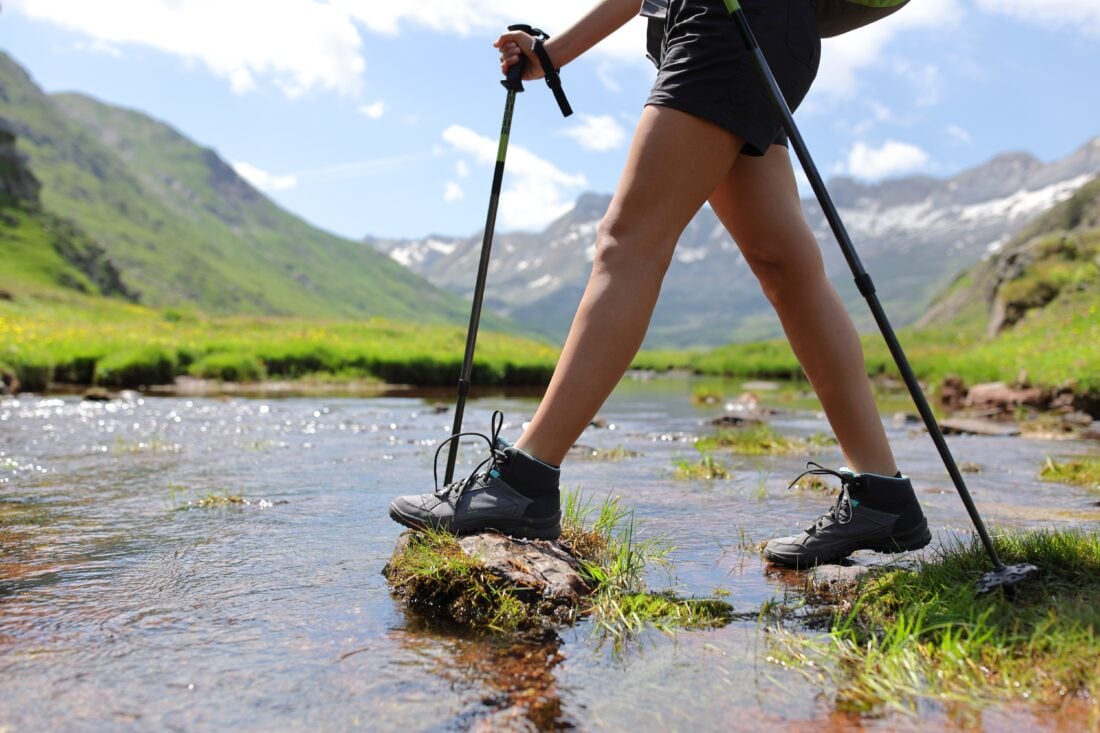
Waterproof hiking boots with ankle support and good grip are the correct answer for almost every situation in Iceland. Gore-Tex construction is worth it. Break them in before you go, not after you arrive (blisters on day two of a ten-day trip is a special kind of misery). If you need more guidance on picking the right hiking footwear, our hiking gear packing list covers that in detail.
For hot spring visits and shared shower rooms, bring flip-flops or water shoes. You’ll want them at the Blue Lagoon, Sky Lagoon, and any public pool. Easily removable shoes are also useful since many accommodations ask you to leave outdoor footwear at the door.
High heels and fashion shoes: leave them at home. Reykjavik is a casual city and the streets are uneven.
Gear and Accessories
| Item | Notes |
|---|---|
| Waterproof hiking boots | Gore-Tex, ankle support, well broken-in |
| Lightweight daypack (around 30L) | Water bladder compatible is a bonus |
| Reusable water bottle | Icelandic tap water is excellent and free |
| Trekking poles | Collapsible and adjustable; genuinely useful on rough terrain |
| Headlamp with spare batteries | Essential in winter, useful year-round |
| Polarized sunglasses | UV-blocking |
| Dry bags | Protect electronics and documents from rain |
| First aid kit | Basic: plasters, pain relief, antihistamines |
| Travel towel | Quick-dry |
| Portable power bank | Keep your phone charged on day trips |
| Camera in a waterproof case | Or a weatherproof camera |
| Buff or neck gaiter | Multi-use: neck, headband, face cover in wind |
Documents and Electronics
- Passport (keep a photocopy separately)
- Driving licence if you’re renting a car
- Credit or debit card with a PIN (Iceland is heavily card-based, and the local currency is the Icelandic króna, ISK. For reference, £1 gets you roughly kr166 and $1 gets you about kr125, as of March 2026.)
- Some cash for smaller purchases, though honestly most places in Reykjavik take card for everything
- Tour confirmations
- Type C and F power adapter (European standard)
- Mobile phone and chargers
- Power bank
For weather and road conditions: Vedur.is for weather updates, Road.is for road conditions, and SafeTravel.is for emergency information. Bookmark these before you go.
Toiletries and Personal Care
The wind and cold in Iceland will dry your skin out faster than you expect.
- Lip balm (pack more than one, you will lose one)
- Moisturizer and hand cream
- Sunscreen (needed year-round, not just summer)
- Small toiletry bag for showering before entering public pools (required at Icelandic pools)
- Standard toiletries
If you forget something, you can find most items in Reykjavik. Iceland is expensive though (turns out £100 only gets you about kr16,556, as of March 2026, and prices reflect that), so it’s cheaper to bring what you need.
What Not to Pack
- Umbrella. The wind will destroy it and you will look like a tourist wrestling a broken satellite dish.
- Heavy cotton clothing. It absorbs moisture and takes ages to dry.
- Fashion shoes or heels. Reykjavik is casual and the terrain is not heel-friendly.
- Single-use plastics where avoidable. Iceland takes environmental responsibility seriously.
Packing for Specific Activities
Hiking: Sturdy waterproof boots, windproof jacket, warm mid-layer, daypack, water bottle, snacks (energy bars or trail mix for longer routes where there are no shops), navigation tools, and weather-appropriate clothing. A portable water filtration system is worth considering for remote areas.
Glacier hiking and ice caving: Waterproof boots, thermal base layers, insulating mid-layer. Harnesses and crampons are typically provided on guided tours.
Geothermal pools and hot springs: Swimwear and flip-flops. A quick-dry towel. A small toiletry bag for the showers.
ATV and snowmobiling: Insulated jacket, warm mid-layer, waterproof footwear, sunglasses or goggles, scarf for wind protection, and a driving licence.
Whale watching or puffin tours: Windproof jacket, motion sickness medication if you’re prone to it, and a camera or binoculars.
Camping: Storm-proof tent, sleeping bag rated for cold temperatures, portable cooking stove, food storage, and trash bags. Services are limited in remote areas.
Reykjavik Packing List at a Glance
Clothing:
- Thermal base layers (top and bottom)
- 2-3 moisture-wicking tops (mix of short and long sleeve)
- Fleece or down mid-layer
- Windproof, waterproof hooded jacket
- Waterproof trousers
- 1-2 pairs of hiking pants (wind and water-resistant)
- Jeans or casual trousers for evenings
- Warm jumper
- Swimwear
- Underwear (merino wool works well)
- 3+ pairs of wool hiking socks, plus liner socks
- Winter hat and/or sun hat depending on season
- Gloves (two pairs for winter or active trips)
- Scarf or neck gaiter
- Pajamas or comfortable clothes for accommodation
Footwear:
- Waterproof hiking boots (broken in)
- Flip-flops or water shoes for pools and showers
- Easy slip-on shoes for accommodation
Gear:
- Daypack around 30L
- Reusable water bottle
- Trekking poles (for hiking trips)
- Headlamp with spare batteries
- Dry bags
- Travel towel
- First aid kit
- Snacks
Electronics:
- Phone and chargers
- Power bank
- Camera in waterproof case
- Type C/F power adapter
Documents:
- Passport and photocopy
- Driving licence
- Credit/debit card
- Tour confirmations
Personal care:
- Lip balm
- Moisturizer and hand cream
- Sunscreen
- Toiletry bag
- Sleep mask (summer travel)
- Flashlight or headlamp (winter travel)
- Allergy medication if needed
