
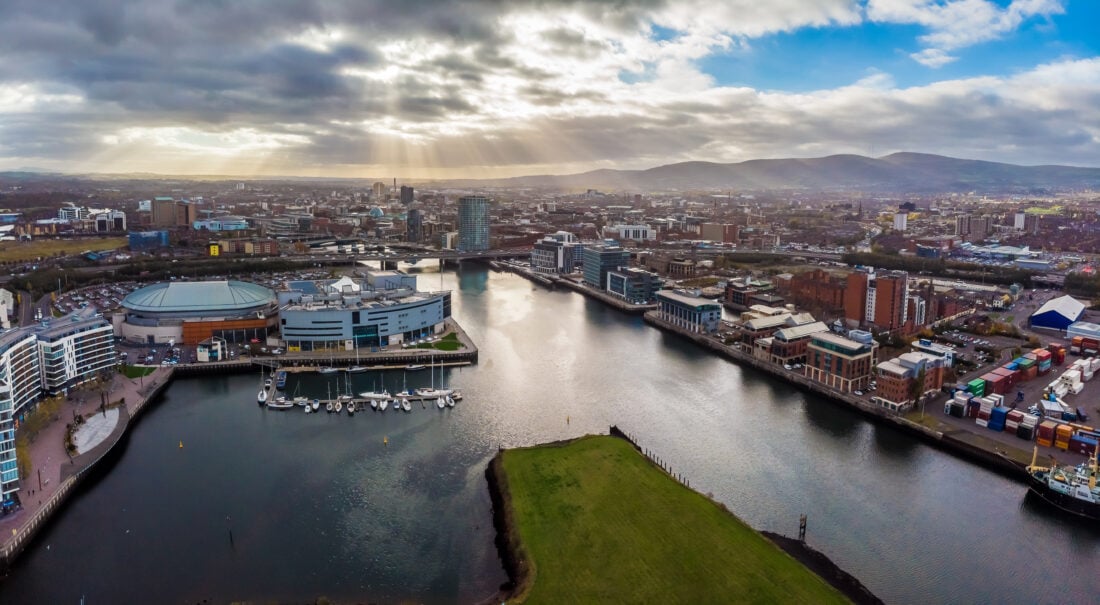
I turned up in Belfast expecting a city still defined by its past. What I found instead was a place that has done something genuinely impressive: it has turned that past into something you can actually engage with, rather than just feel awkward around. Titanic Belfast alone would justify the trip. The fact that there are a dozen other things worth doing is a bonus I was not prepared for.
Here is everything worth knowing before you go.
Quick Answer: Best Attractions in Belfast
- Titanic Belfast – the headline act, and it earns it
- Crumlin Road Gaol – surprisingly gripping, genuinely dark history
- St George’s Market – Friday to Sunday, free jazz on weekends
- Ulster Museum – free entry (voluntary £5 donation), serious collection
- Black Taxi Tour – the best way to understand the murals and the Troubles
- Belfast City Hall – free tours, better than it sounds
- Cathedral Quarter – pubs, street art, live music, St Anne’s Cathedral
- HMS Caroline – the last surviving ship from the Battle of Jutland
- Cave Hill and Belfast Castle – views over the city and Belfast Lough
- Botanic Gardens – free, Victorian, and right next to the Ulster Museum
Titanic Belfast: The One You Cannot Skip
Titanic Belfast sits on the original slipways where the ship was actually built, which gives the whole thing a weight that a purpose-built museum elsewhere would not have. It has won the World Travel Awards title of World’s Leading Tourist Attraction, which sounds like marketing until you walk around it and realise it has probably earned it.
Nine galleries across six floors cover the full story, from the shipbuilding industry to the night itself, using moving images, special effects, reconstructions, an underwater cinema, and gantry rides. It is a lot. Allow at least three hours, and do not make the mistake I did of assuming you can do it quickly before lunch.
The £4.5 million upgrade the museum recently went through shows. The experience side of it, the immersive elements, is what separates it from a standard heritage display.
Crumlin Road Gaol: Darker Than You Expect
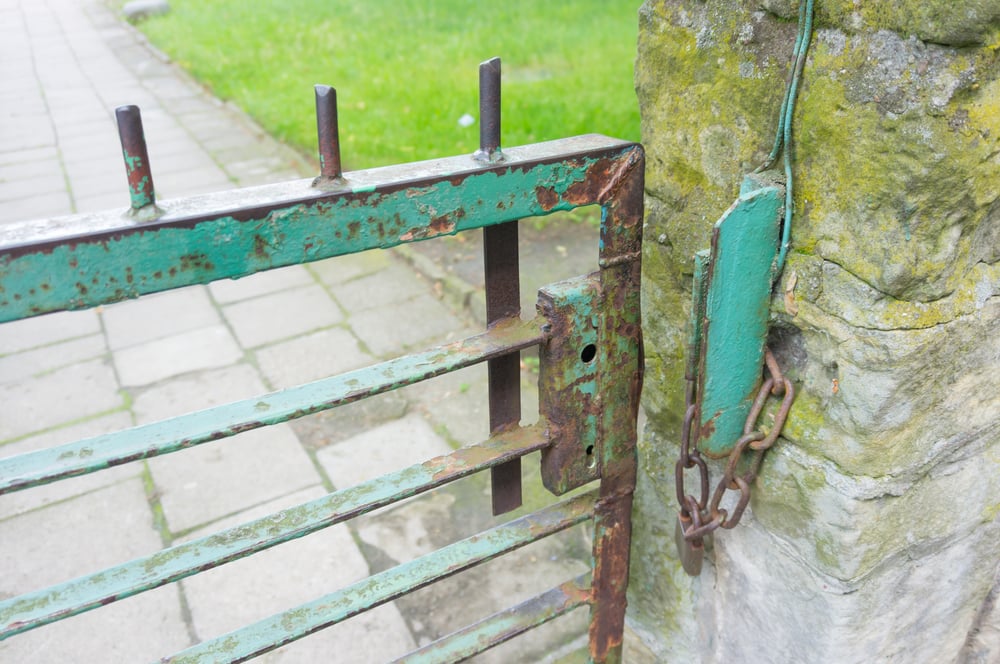
Built in 1849, Crumlin Road Gaol operated for 150 years before closing in 1996. In that time it held, among others, Éamon de Valera, Bobby Sands, and Martin McGuinness. Hangings continued until 1961 and the execution chamber is still there.
Tours cover the cells, tunnels, and exhibition spaces. There is also a paranormal tour that takes in the so-called hotspots of reported activity, including the execution chamber and the flogging room, which is either your thing or it is not. The gaol also hosts weddings and concerts, which is a combination I find genuinely baffling but respect.
Family-friendly tours are available too, if your children have a slightly gothic streak.
St George’s Market: Go on a Weekend
St George’s Market is open Friday to Sunday mornings and has over 150 traders. Fresh produce, seafood, bread, crafts, antiques, artwork, and local food like Belfast baps and traybakes. There is live jazz on Saturdays and Sundays, which makes the whole thing feel considerably more enjoyable than a standard market.
The Aunt Sandra’s Candy Factory stall is worth finding for fudge and sweets. The market also has historical weight: it was used as a temporary mortuary after the Belfast Blitz during the Second World War, which is the kind of detail that sticks with you while you are eating a traybake.
Ulster Museum: Free and Far Bigger Than It Looks
Located in the Botanic Gardens in the University Quarter, the Ulster Museum has a reputation for looking modest from the outside and then going on forever once you are in. The collections cover Irish history from the Stone Age through to the Troubles, international art, fossils, the only dinosaur bones ever found on the island of Ireland, and an Egyptian mummy.
Entry is free with a voluntary £5 donation suggested. The museum is typically closed on Mondays unless it falls on a public holiday, so plan accordingly.
Black Taxi Tour: The Best Way to Understand Belfast’s Murals

If you want to actually understand the Peace Walls and political murals rather than just photograph them, a Black Taxi Tour is the most efficient way to do it. Local drivers take you through West Belfast, covering the murals, the walls, and the stories from both sides of the conflict. More recent tours also include modern murals celebrating Belfast’s cultural figures. If you’re weighing up which Belfast tours to book, honestly, this one should be near the top of the list.
It is not a neutral experience, but it is an honest one, and the format means you can ask questions in a way you cannot on a walking tour.
Belfast City Hall: Free Tours, Worth the Hour
Belfast City Hall opened in 1906 after Belfast received city status in 1888. The building offers regular free tours covering the city’s industrial rise and civic history. Inside, the stained glass windows depict Celtic myths. Outside, the grounds contain the Titanic Memorial Garden, with bronze plaques listing the 1,512 people who died.
The free Visitor Exhibition is also open without booking. Honestly, I walked past it twice before going in, which was a mistake.
The Cathedral Quarter: Pubs, Art, and St Anne’s Cathedral
The Cathedral Quarter is where Belfast’s nightlife, street art, and heritage collide in a way that actually works. The pubs here include The Duke of York, The John Hewitt, The Dirty Onion, and Kelly’s Cellars, which runs traditional music evenings. If you want a deeper dive into the best spots for a drink, check out this guide to the best bars in the Cathedral Quarter. St Anne’s Cathedral (also called Belfast Cathedral) is an Anglican church notable for its architecture and the Spire of Hope, added in 2007.
The MAC (Metropolitan Arts Centre), opened in 2012, sits in the Cathedral Quarter and hosts theatre, music, art exhibitions, dance, and experimental work across three galleries. The restaurant inside, Native by Yellow Door, gets good reviews. If you are visiting in late March 2026, the area around the Cathedral Quarter picks up even more energy with live shows across the city. The Divine Comedy plays Waterfront Hall on 27 March, Mario Adrion brings his comedy tour to Mandela Hall the same night, and there’s a solid comedy lineup at venues like the Ulster Sports Club and The Balmoral Hotel too.
Street art walking tours of the area are also available if you want context for what you are looking at.
HMS Caroline: The Last Survivor of Jutland
HMS Caroline is moored at Alexandra Dock, close to Titanic Belfast. It is the last surviving ship from the Battle of Jutland in World War One, which makes it a genuinely rare thing. The onboard experience covers naval history in an immersive format. It is easy to combine with a visit to Titanic Belfast given the location.
The SS Nomadic, built in Belfast in 1911 as a tender for the RMS Titanic, is also nearby and is the last remaining White Star Line vessel.
Cave Hill and Belfast Castle: Views Worth the Climb
Belfast Castle was completed in 1862 and sits on the slopes of Cave Hill Country Park, overlooking Belfast and Belfast Lough. Getting there involves a bus and a walk, but the views justify the effort. Weather-wise, expect cool and damp conditions, around 50°F with moderate rain and high humidity (as of March 2026), so layer up and bring a waterproof before heading out.
Cave Hill itself has a circular walk of around 4.5 miles (7.2 km). At the top, McArt’s Fort sits 1,200 feet above sea level on the basaltic outcrop known as Napoleon’s Nose. The silhouette of the hill is said to have inspired Jonathan Swift when he created Gulliver, which is the kind of fact that makes a walk feel more interesting.
The park also has walking trails, orienteering routes, a playground, and Belfast Zoo nearby.
Botanic Gardens: Free and Quietly Excellent
Designed by Sir Charles Lanyon and Richard Turner, the Botanic Gardens feature Victorian design and a cast-iron Palm House. The Tropical Ravine is also here. The gardens are free to enter and sit right next to the Ulster Museum and Queen’s University Belfast, so combining all three makes for a solid half-day in the University Quarter.
A Few More Worth Knowing About
| Attraction | Why Go |
|---|---|
| W5 Interactive Discovery | Family-friendly science and engineering exhibits, beside the SSE Arena |
| CS Lewis Square | Bronze sculptures from Narnia, celebrates the author’s East Belfast connection |
| Crown Liquor Saloon | Victorian pub interior, genuinely historic atmosphere |
| Linen Hall Library | Belfast’s oldest library, established 1788, Irish and Local Studies collections |
| Stormont Estate | Woodland walks, accessible play park |
| Ulster Folk and Transport Museum | Recreated Ulster life across past centuries, trains and vehicles |
The SSE Arena itself is worth checking for events during your visit. In spring 2026, the Belfast Giants take on the Nottingham Panthers on 27 March (with a Suite 24 Experience Package available if you want to go all out), and the I’m Grand Mam podcast brings their Happy Campers show to Ulster Hall the same evening. Not gonna lie, a live event on top of a day of sightseeing makes for a properly full Belfast day.
Getting Around: Hop-On Hop-Off or Black Taxi
For a first visit, the Belfast Hop-On Hop-Off bus tour is a practical starting point. Two operators, City Sightseeing Belfast and City Tours Belfast, both depart from Donegall Square West beside City Hall. Open-top seating is available. The route covers the city centre, Titanic Quarter, political murals, and Peace Walls.
For the murals specifically, the Black Taxi Tour gives you more depth. For the Botanic Gardens, Ulster Museum, and Queen’s University area, it is all walkable once you are in the University Quarter. Everything is priced in pounds sterling (£), so budget accordingly.
Free Things to Do in Belfast
- Visit the Ulster Museum (voluntary donation)
- Walk the Botanic Gardens and the Tropical Ravine
- Explore St George’s Market on a weekend morning
- Walk the Maritime Mile
- Hike Cave Hill
- Browse the Cathedral Quarter street art
1 Day Trips from Belfast
If you have more than two days, the surrounding area is worth factoring in. Carrickfergus Castle is an 800-year-old fortress accessible from the city. The Giant’s Causeway, Dunluce Castle, and Carrick-a-Rede Rope Bridge are all within a day’s drive, with bus tours departing from Belfast. The Game of Thrones Studio Tour is located south of Belfast and makes for a solid half-day out. The Gobbins Cliff Walk offers a two-hour guided route along a dramatic iron pathway on the Antrim coast. Interest in Belfast as a travel destination has been climbing steadily, with search trends peaking in the early months of the year, so if you are planning a day trip along the Causeway Coast, book transport and tickets ahead of time, especially between January and March when visitor numbers are picking up. If you’re heading to Belfast as part of a bigger Scotland and Ireland trip, our guide to things to do in Edinburgh pairs well with this one.
