
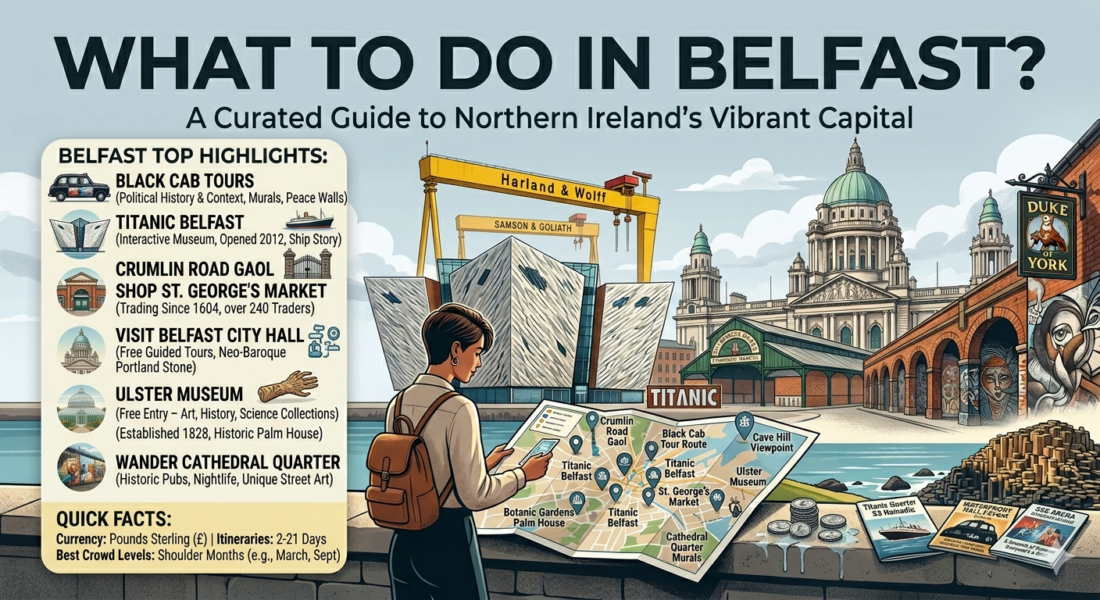
I turned up to Belfast for the first time in 2001 with almost no idea what I was walking into. I’d done zero research (past-me was confidently underprepared), assumed it would feel like a smaller Dublin, and left two days later having barely scratched the surface of a city that genuinely surprised me at every turn. I’ve been back several times since, and it still does that.
This guide covers the best things to do in Belfast, whether you’ve got a weekend or a full week, whether it’s lashing rain or actually sunny. Right now the city’s sitting at about 44°F with scattered clouds and moderate humidity (as of March 2026), so layers and a waterproof are your friends.
Quick Answer: Best Things to Do in Belfast
- Black Cab Tours – the single best way to understand the city’s political history
- Titanic Belfast – interactive museum in the Titanic Quarter, opened 2012
- Crumlin Road Gaol – closed as a working prison in 1996, now a fascinating visitor attraction
- Cave Hill Country Park – panoramic views over the city, multiple trail options
- Ulster Museum – free entry, covers art, history, and science
- St. George’s Market – trading since 1604, over 240 traders
- Belfast Murals – scattered across the city, best seen during the day
- Cathedral Quarter – historic buildings, street art, pubs, nightlife
- Belfast City Hall – free guided tours Monday to Saturday
- Botanic Gardens – established 1828, includes the historic Palm House glasshouse
The Black Cab Tours: Start Here
If you do nothing else in Belfast, do a Black Cab Tour. A local guide drives you through the parts of the city that shaped its modern identity – the Peace Walls, the murals on Shankill Road and Falls Road, and the politically charged streets that most visitors walk past without context.
The guides give you both sides of the story, loyalist and republican, without turning it into a lecture. It’s the kind of thing that reframes everything else you see in the city for the rest of your trip. We’ve also put together a full guide to Belfast tours if you want to compare options before you book.
Don’t visit the murals late at night on your own. That’s not me being dramatic, it’s just common sense.
Titanic Belfast and the SS Nomadic
Titanic Belfast sits in the Titanic Quarter and has been pulling visitors since it opened in 2012. The interactive galleries walk you through the full story of the ship, from the Belfast shipyards where it was built to what happened after it left. It’s a proper museum, not a gimmick.
While you’re there, the SS Nomadic is worth adding on. Built in 1911 alongside the Titanic itself, it served as the tender ship that transferred passengers out to the liner. It’s now a museum with its own storytelling exhibitions, and it tends to be quieter than the main attraction next door.
Crumlin Road Gaol
This one is exactly what it sounds like. A Victorian prison that closed in 1996 and reopened as a visitor attraction. It’s genuinely atmospheric in a way that no amount of set dressing could manufacture.
Good option for a wet afternoon, and Belfast will give you at least one of those.
Cave Hill Country Park and Belfast Castle
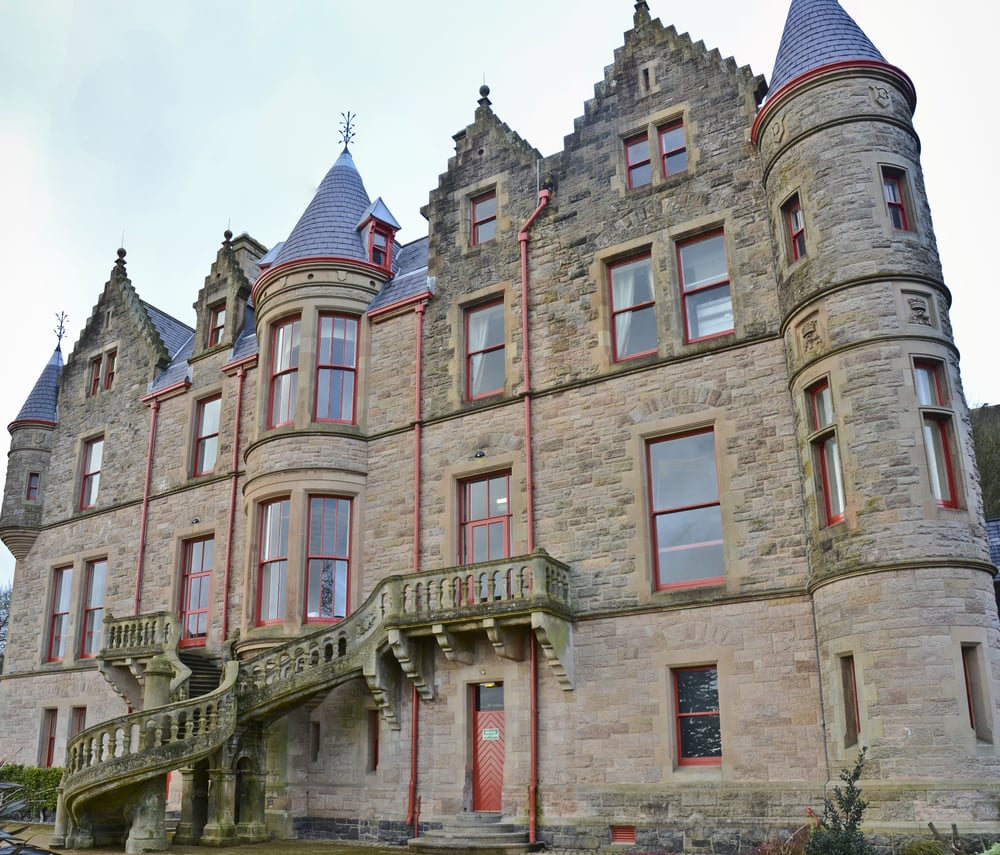
Cave Hill Country Park gives you some of the best views over the city, with trails ranging in length and difficulty. The area is also linked to Jonathan Swift and is said to have inspired parts of Gulliver’s Travels, which is a decent pub fact.
At the lower slopes of Cave Hill sits Belfast Castle, originally built by the Normans. It’s scenic, it has wildlife including long-eared owls, and it makes for a good combined half-day with the park above it.
Divis and Black Mountain
For a more committed walk, Divis and Black Mountain offers a 3-mile loop rated as moderately difficult, with views back over Belfast that make the effort worthwhile. This is the kind of thing you save for a clear day, not the drizzle days.
Ulster Museum: Free and Worth It
The Ulster Museum is free, which immediately makes it one of the better decisions you can make in Belfast. The collection covers art, history, and science under one roof. The highlights include an Egyptian mummy and artefacts recovered from the Spanish Armada. It sits next to the Botanic Gardens, so you can do both in the same visit without much effort.
Botanic Gardens and the Palm House
The Botanic Gardens were established in 1828, originally as a private garden, and the Palm House glasshouse inside them is one of the oldest of its kind. It’s a calm place to wander, especially if you’ve been doing the heavier historical sites and need to decompress a bit.
St. George’s Market
St. George’s Market has been running in some form since 1604. Today it has over 240 traders selling everything from international street food to local produce and crafts. Go hungry. That’s the only advice you need.
Cathedral Quarter
The Cathedral Quarter is the part of Belfast with the oldest and most architecturally interesting buildings, plus street art, independent pubs, and a nightlife scene that punches above the city’s weight. It’s where you end up when you stop following the tourist map and just walk.
St. Anne’s Cathedral is here too – a 20th-century building with notable mosaics and the Spire of Hope. It’s free to visit and worth ten minutes even if you’re not especially interested in cathedrals.
Belfast City Hall
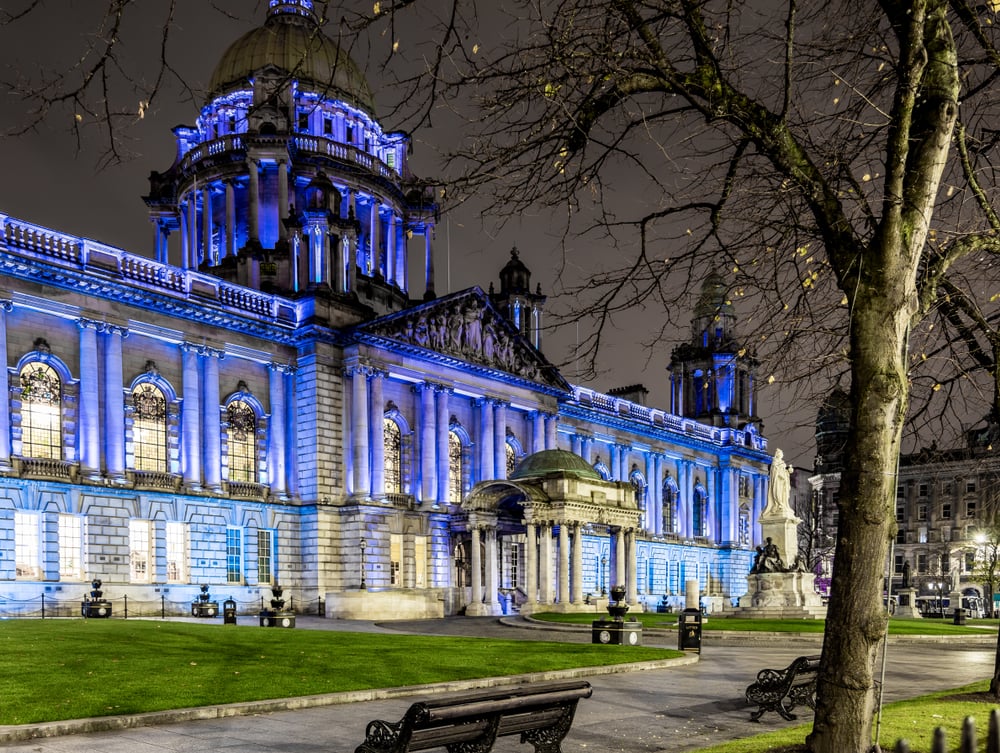
Belfast City Hall was built from Portland stone and opened in 1906, after Queen Victoria granted Belfast city status. Free guided tours run Monday to Saturday, led by an experienced guide. It’s one of those things that sounds dry on paper and turns out to be genuinely interesting once you’re inside.
Grand Opera House
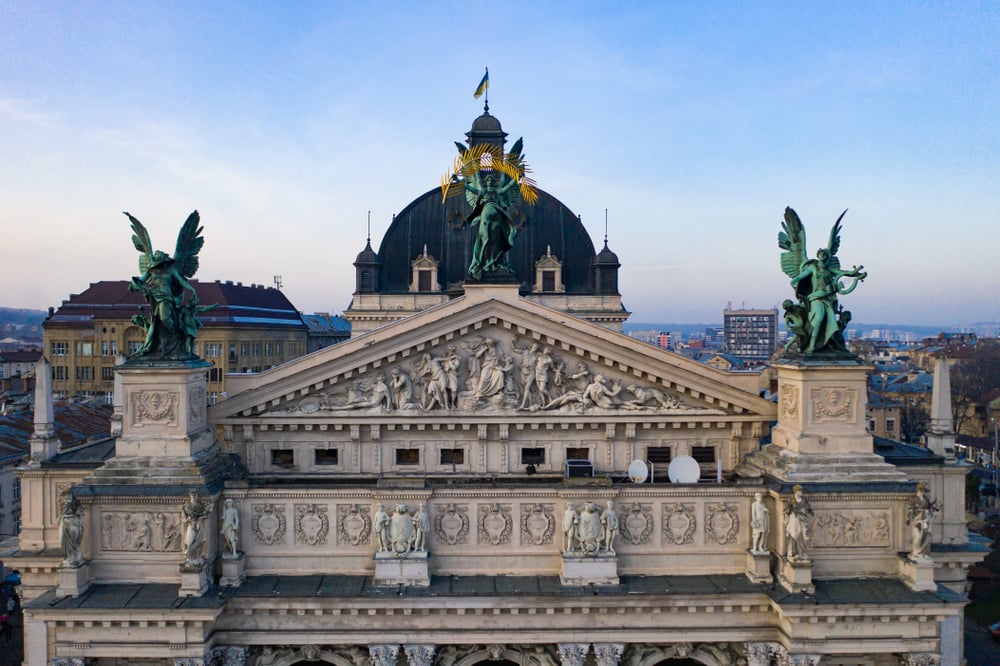
The Grand Opera House opened in 1895 and the Victorian auditorium, designed by Frank Matcham, is worth seeing regardless of what’s on. It runs shows year-round and is a solid wet-day option if you want something in the evening. If you’re visiting in spring 2026, there’s a good run of live events across the city The Divine Comedy plays Waterfront Hall on 27 March, The Billy Joel Songbook hits Ulster Hall on the 26th, and 5 Seconds of Summer bring their Everyone’s a Star! World Tour to the SSE Arena that same week. Worth checking what’s on while you’re there.
Family-Friendly Belfast
If you’re travelling with kids, a few places are worth knowing about:
- W5 Belfast – interactive science and discovery centre with 250 exhibits, a VR Zone, and a humanoid robot
- Belfast Zoo – opened in 1934, houses over 140 species, book tickets in advance
- Colin Glen Forest Park – home to the Gruffalo Trail with sculptures from the book
- Victoria Park – lake views, walking trails, a football pitch, bowling green, and a BMX track
Sports fans with little ones might also enjoy catching a Belfast Giants ice hockey game at the SSE Arena, they play regular home fixtures through the season and the atmosphere is brilliant for families.
Stormont Estate
Stormont Estate is a public space that houses Northern Ireland’s government buildings. There are marked trails including History, Woodland, and Environment routes. It’s free, it’s green, and it’s quieter than the city centre attractions.
Belvoir Park Forest
Belvoir Park Forest has a 1.5-mile trail that connects to Lagan Valley Park. Short, easy, and good if you want a quick bit of green without committing to a full hike.
Day Trips from Belfast
Belfast works well as a base. The Causeway Coastal Route is the obvious one, but you can also get out to the Glens of Antrim, Hillsborough Forest Park, and The Gobbins. Organised tours run to most of these if you’d rather not drive.
Road trip itineraries starting from Belfast can run anywhere from 2 to 21 days depending on how much of Northern Ireland and Ireland you want to cover. If you’re thinking of extending your trip into Scotland, our guide to the best Scotland road trips is a great starting point, and our best places to visit in Scotland covers the highlights worth making the journey for.
Wet Day vs. Dry Day: What to Do When
| Wet Day | Dry Day |
|---|---|
| Titanic Belfast | Cave Hill Country Park |
| Crumlin Road Gaol | Divis and Black Mountain |
| Ulster Museum | Black Cab Tour |
| Grand Opera House | Stormont Estate |
| W5 Belfast | Belfast Murals walk |
| Belfast City Hall tour | St. George’s Market |
Belfast Christmas Markets

If you’re visiting in November or December, the Belfast Christmas Markets take over the grounds of Belfast City Hall. International food stalls and artisan crafts, and the City Hall as a backdrop makes it genuinely atmospheric rather than just another Christmas market. If you’re planning a wider winter trip around Europe, our guides to Christmas breaks in Europe and Hogmanay abroad are worth a look too.
A Note on Itineraries
Two days is enough to cover the main city-centre attractions comfortably. Three days lets you add a day trip or spend more time on the hills. The city’s main attractions cluster in the centre, with the parks and hiking further out, so it’s worth planning which days you want to be on foot versus in a cab or car. Interest in Belfast as a destination has been trending upward recently, with search interest peaking around January, February, and August — so if you prefer smaller crowds, shoulder months might serve you better.
Everything in the city runs on pounds sterling (£), so keep that in mind if you’re coming from Dublin or anywhere else in the eurozone. It’s also worth brushing up on tipping etiquette before you go, the norms in Northern Ireland are similar to the rest of the UK.
Belfast keeps rewarding return visits. Every time I’ve gone back I’ve found something I missed the time before, which is either a sign of how much the city has to offer or a sign that I’m consistently bad at planning. Probably both.
