
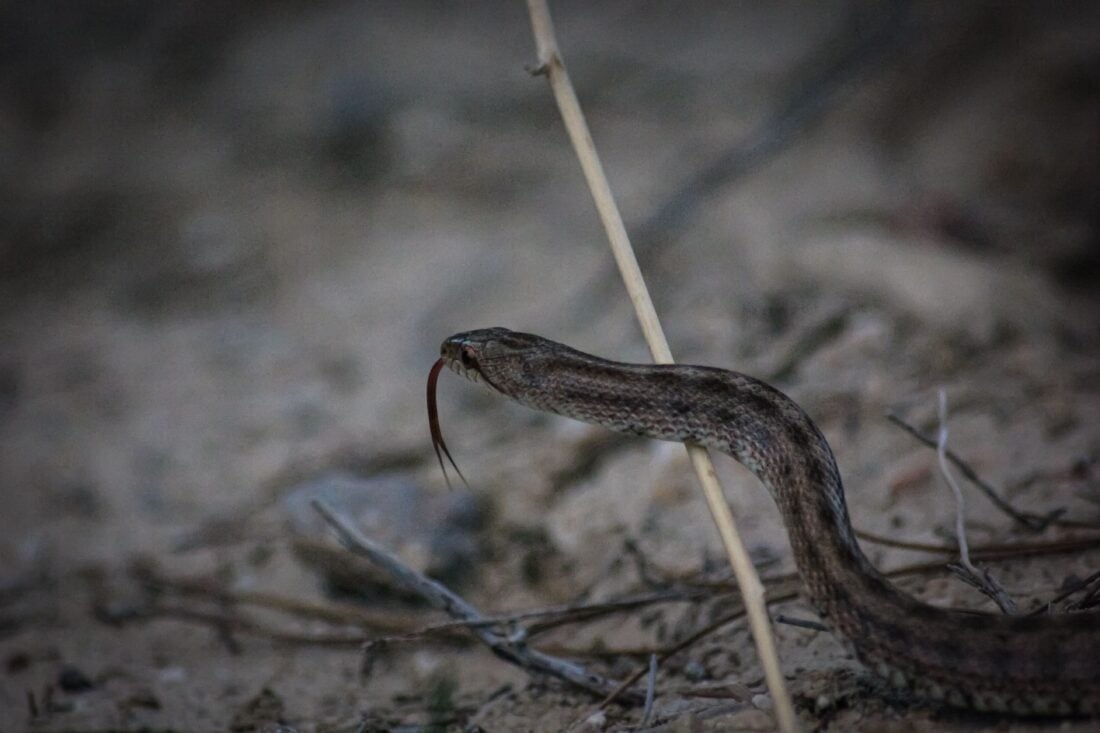
So you’re planning a trip to Scotland, picturing misty glens, dramatic cliffs, and maybe a Highland cow judging your life choices from across a field.
And then the question sneaks in.
Are there snakes in Scotland?
Short answer: yes… but also, relax.
Long answer? That’s where it gets interesting, because the reality is far less dramatic than whatever your brain just imagined involving boots, panic, and a sudden sprint through heather.
Let’s break it down properly, with a bit of real talk, a few muddy-walk observations, and enough detail that you can stop Googling this at 2am.
Quick Answer: Yes, But Only One Native Species
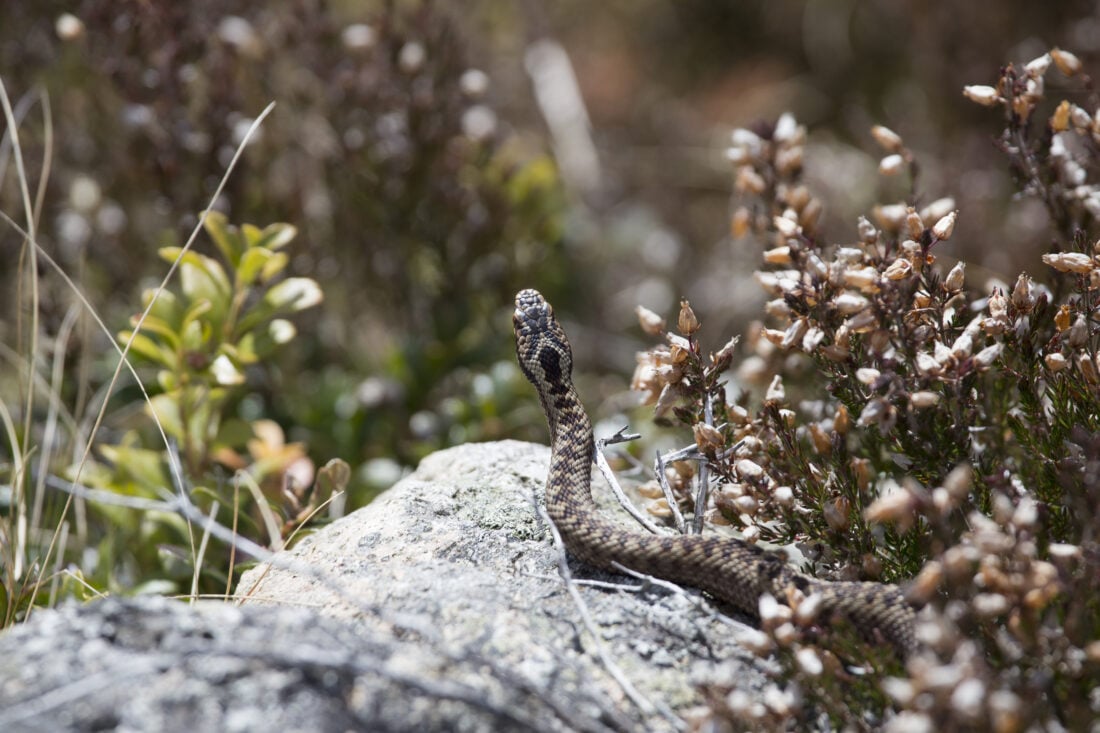
Scotland has exactly one native snake species, the Vipera berus, commonly called the adder.
That’s it.
No forests full of slithering chaos. No surprise encounters every five minutes. No Indiana Jones moments.
Just one shy, cold-blooded introvert that would very much prefer you didn’t exist.
Snake Species in Scotland (The Full List)
Here’s where it gets slightly confusing if you’ve been Googling already.
| Snake | Native to Scotland? | Venomous? | Likelihood of Seeing One |
|---|---|---|---|
| Vipera berus (Adder) | Yes | Yes (mild) | Rare but possible |
| Natrix helvetica (Grass Snake) | No (mostly England) | No | Extremely unlikely |
| Coronella austriaca (Smooth Snake) | No | No | Not found in Scotland |
So if you’re in Scotland, you’re really only dealing with one possibility.
And even then… “dealing with” is generous.
What Are Adders Actually Like?
If you’ve never seen an adder before, picture something that looks mildly intimidating in photos but behaves like it’s permanently late for an appointment it doesn’t want to attend.
They’re:
- Usually 50–70 cm long
- Grey or brown with a distinctive zigzag pattern
- Found in heathland, grassland, and woodland edges
- Most active in spring and summer
And crucially, they are not aggressive.
Honestly, if an adder had a personality, it would be the person at a party who stands near the snacks and leaves early without saying goodbye.
A Quick Reality Check
When we first went hiking in the Highlands, someone casually mentioned adders like they were just part of the scenery.
“Watch your step, there are adders about.”
Cool. Great. Love that.
Cue me walking like I was defusing a bomb for the next hour.
Little did I know, the adders were probably thinking the same thing about me.
Are Adders Dangerous?
Technically, yes. Practically, not really.
Adders are venomous, but their bites are:
- Rare
- Usually not life-threatening
- More serious for children, elderly people, or pets
In the UK, there are very few fatalities, and most bites happen when someone:
- Tries to pick one up
- Steps directly on one
- Lets their dog go full chaos mode into long grass
So the takeaway is pretty simple.
Leave them alone, and they’ll leave you alone.
Where Are Snakes Found in Scotland?
If you’re picturing snakes casually hanging out in cities, let me stop you right there.
You are not going to bump into one outside a Tesco in Glasgow.
Adders prefer:
- Heathland
- Open countryside
- Woodland edges
- Coastal dunes
- Sunny, undisturbed areas
They need warmth, which in Scotland is… let’s say, a limited resource.
Regions Where You Might See One
- The Scottish Highlands
- Argyll and Bute
- Parts of the Isle of Skye
- Rural Perthshire
Even in these places, sightings are uncommon.
You could hike for days and see nothing but sheep, midges, and your own questionable navigation skills.
What Time of Year Are Snakes Active?
If you’re visiting in winter, you can safely forget about snakes entirely.
Adders hibernate from roughly:
- October to March
They’re most active:
- March to June (especially during mating season)
- Warm, sunny days are your best chance of spotting one
That said, “best chance” still doesn’t mean “likely.”
It just means “slightly less unlikely.”
What Should You Do If You See a Snake?
First of all, congratulations.
You’ve just had a rarer wildlife encounter than most visitors.
Second, don’t do anything dramatic.
Here’s the playbook:
- Stop
- Keep a safe distance (a few meters is fine)
- Let it move away (which it will, quickly)
- Resist the urge to poke it, photograph it from two inches away, or narrate the moment like a nature documentary
That’s it.
No heroics required.
What Happens If You Get Bitten?
Let’s not pretend this is likely, but it’s worth knowing.
Symptoms can include:
- Pain and swelling
- Nausea
- Dizziness
If bitten:
- Stay calm
- Keep the affected limb still
- Seek medical attention
The UK healthcare system is very familiar with adder bites, even if they don’t happen often.
Also, and this feels obvious but apparently needs saying, don’t try to suck out the venom.
This isn’t a movie.
Are There Snakes in Scottish Cities?
No. Or at least, not in any meaningful, “you should worry about this” way.
Cities like:
- Edinburgh
- Glasgow
- Aberdeen
…are effectively snake-free for everyday purposes.
If you somehow see one, it’s either:
- A very lost snake
- An escaped pet
- The beginning of a story you’ll tell forever
Are There Dangerous Animals in Scotland?
This question usually comes right after the snake one.
And the answer is… not really.
Scotland is one of the safest places in the world for wildlife encounters.
Your biggest challenges will be:
- Midges (tiny flying nightmares)
- Unexpected weather
- Sheep blocking the road like they own it (they do)
Snakes barely make the list.
Common Myths About Snakes in Scotland
“There Are Lots of Snakes”
Nope.
There are very few, and they’re spread out.
“They Chase People”
Absolutely not.
Adders are not interested in cardio.
“You’ll See Them on Every Hike”
You could hike your entire life in Scotland and never see one.
“They’re a Major Danger to Tourists”
They’re not even a minor inconvenience for 99.9% of visitors.
Why Scotland Doesn’t Have Many Snakes
This part actually makes sense when you think about it.
Snakes need warmth to function properly.
Scotland offers:
- Cool temperatures
- Long winters
- Limited sunshine
It’s basically the opposite of what most snakes would choose if they had a say in the matter.
The adder is just stubborn enough to make it work.
Tips for Walking Safely in the Countryside
Even though the risk is low, here are a few simple tips:
- Stick to clear paths
- Avoid stepping into long grass blindly
- Wear proper footwear (which you should be doing anyway)
- Keep dogs under control
It’s less about snakes and more about not twisting your ankle in a bog, which is far more likely.
So… Should You Worry About Snakes in Scotland?
Honestly?
No.
If this question has been quietly bothering you while planning your trip, you can let it go.
Scotland is not a snake-heavy destination. It’s not even a snake-light destination. It’s more like a “technically yes, but you probably won’t notice” destination.
You’re far more likely to:
- Get caught in sideways rain
- Spend too much money on whisky
- Fall in love with a random coastal village
And if you do happen to see an adder?
It’ll probably be a quick, slightly surreal moment where you think, “Wait… was that a snake?” and then it’s gone.
Final Thoughts
So yes, there are snakes in Scotland, but only one native species, and it keeps to itself.
You don’t need special gear. You don’t need to change your plans. You don’t need to walk around like you’re in a survival documentary.
Just go.
Explore the Highlands, wander through forests, take the long scenic drives, and enjoy one of the safest natural landscapes you’ll ever visit.
And if a snake does show up?
Well, at least now you’ll know exactly what it is.
And more importantly, what it isn’t.
